


Why Asymmetrical Handblown Glass Track Lighting for Your Walk-In Closet?
You might be wondering if asymmetrical handblown glass track lighting is a bit much for a walk-in closet. The short answer is no, it’s actually an incredibly effective and stylish choice, and here’s why. We’re not just talking about throwing a fancy light fixture in there. This specific combination offers functional benefits like superior light distribution and the ability to highlight specific items, along with a significant aesthetic upgrade over typical closet lighting. It moves beyond standard utilitarian fixtures, creating an environment that feels less like a storage space and more like a carefully curated boutique. This type of lighting allows for artistic expression while still delivering the practical illumination needed to see your clothes clearly.
Understanding the Components
Let’s break down what we’re actually talking about here – the individual elements that make this lighting system so special, and how they work together. It’s important to grasp the distinct qualities of each part before we dive into why they’re a great match.
What is Track Lighting?
At its core, track lighting is a system of individual light fixtures, often called “heads” or “luminaires,” that can be positioned and repositioned anywhere along a continuous electrical track. This track is usually mounted on the ceiling or sometimes a wall. The beauty of track lighting is its flexibility. You’re not stuck with a single overhead fixture that casts shadows everywhere. Instead, you can direct light exactly where you need it. This is particularly valuable in a walk-in closet where different areas – shelves, hanging rods, drawers, mirrors – all require different illumination.
The track itself comes in various configurations: straight sections, L-shapes, T-shapes, and even flexible versions, allowing it to adapt to almost any room layout. Power is supplied to the track, and the individual light heads simply snap or twist into place, drawing power directly from the track. This makes installation relatively straightforward compared to wiring multiple individual fixtures. Furthermore, most track lighting systems allow for dimming, which is a fantastic feature for creating different moods or for early morning outfit selection without blinding yourself.
The Art of Handblown Glass
Now, let’s talk about the “handblown glass” part. This is where the aesthetic really steps up. Unlike mass-produced glass shades, handblown glass is crafted individually by an artisan. This process involves heating glass to a molten state and then shaping it by blowing air into it through a tube, often using specialized tools and molds. The result is that each piece is unique. You’ll find subtle variations in thickness, shape, and even tiny air bubbles, which are not flaws but rather hallmarks of its handmade origin.
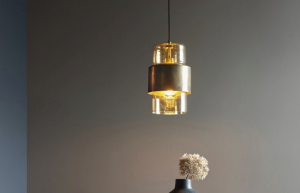
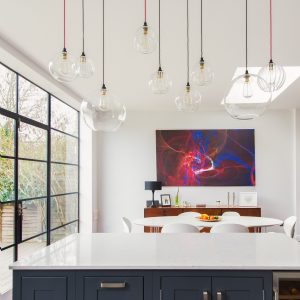
These variations give handblown glass a character and warmth that machine-made alternatives simply can’t replicate. The light quality diffused through handblown glass is often softer, richer, and more inviting. It can transform the harsh glare of a bare bulb into a more flattering and sophisticated glow. When used as a light shade, it becomes a miniature sculpture, adding an artistic element to your closet. This isn’t just about covering a bulb; it’s about elevating the entire visual experience of the space.
Asymmetrical Design Explained
The “asymmetrical” aspect is key to both the function and style of these fixtures. In the context of lighting, asymmetry refers to a lack of perfect balance or identical form on opposite sides of a central axis. This isn’t about being lopsided or poorly designed; it’s a deliberate artistic choice. For handblown glass shades, asymmetry often translates into organic, fluid shapes that aren’t perfectly uniform. One side might be slightly wider, a curve might be more pronounced in one area, or the overall form might lean into a more sculptural, less predictable outline.
Functionally, asymmetrical shades can direct light in more unique ways than perfectly symmetrical ones. A symmetrical dome, for instance, casts light fairly evenly in a downward cone. An asymmetrical shape, however, might allow more light to spill out of one side, or create interesting patterns of light and shadow. This adds visual interest and can be used to emphasize certain areas or objects within the closet. Aesthetically, asymmetry breaks away from the rigid predictability often found in utilitarian design, adding a contemporary, artistic, and sometimes even playful touch to the environment. It makes the lighting less about a functional necessity and more about a design statement.
Functional Advantages in a Walk-In Closet
Beyond just looking good, asymmetrical handblown glass track lighting brings some serious practical benefits to a walk-in closet. These aren’t just decorative elements; they’re chosen for specific functional advantages.
Targeted Illumination
One of the biggest struggles in many closets is uneven lighting. You open your closet door, and the top shelf is brilliantly lit, but the clothes hanging below are in shadow, or the contents of your shoe rack are barely visible. Track lighting fundamentally solves this. With individual light heads, you can precisely angle each fixture to illuminate specific areas. Have a wall of shelves dedicated to handbags? Point a light head directly at it. Need to see the true color of your suits on a hanging rod? Angle multiple heads down the length of the rod.
The beauty of track lighting is its adjustability. If you rearrange your closet – perhaps moving a dresser or adding new shelving – you can simply reposition and re-angle the light heads to match the new layout, without needing an electrician. This adaptability ensures that every nook and cranny, every garment, and every accessory receives adequate, direct light, making it easier to see what you own and put together outfits effectively.
Minimizing Shadows and Glare
Poorly placed light fixtures often create harsh shadows, making it difficult to discern colors or details of clothing. A single overhead light, for example, will cast strong shadows under shelves and behind you as you stand in front of your clothes. By using multiple, strategically placed track heads, you can eliminate these problematic shadows. Each light head can act as a fill light for areas that might otherwise be obscured.
Furthermore, the handblown glass diffuses the light. While the core function of track lighting is often directional, the glass shades soften the intensity, reducing harsh glare that can be uncomfortable or distort colors. This diffusion creates a more pleasant and even illumination across the closet space, allowing you to see true colors and textures of your clothing without the visual fatigue of direct, intense light. The asymmetrical shape can sometimes aid in this by breaking up the light in unique ways, preventing a single point of intense light.
Enhanced Color Rendition
Accurate color rendition is crucial in a closet. You want to see the true shade of that navy blue shirt versus a black one, or the subtle nuances of a patterned fabric. The type of bulb used in track lighting plays a significant role here, but the way light interacts with the handblown glass also contributes. When choosing bulbs, look for those with a high Color Rendering Index (CRI) – ideally 90 or above. These bulbs are designed to reproduce colors accurately, making your clothes look as they would in natural daylight.
The handblown glass shades, especially those with subtle tints or frosted finishes, can further enhance this by providing a warm or cool quality to the light without distorting the underlying colors. They soften the light, making colors appear richer and less washed out than under stark, undiffused light. This combination of high-CRI bulbs and diffused handblown glass means you can confidently select outfits knowing that the colors you see in your closet are the colors you’ll see in the natural light outside.
Creating a Boutique-Like Experience
Let’s be honest, a walk-in closet isn’t just about storage; for many, it’s a personal sanctuary, a place to start and end the day. Standard, utilitarian lighting can make it feel like a glorified storage locker. Asymmetrical handblown glass track lighting elevates the entire experience. It transforms the space into something akin to a high-end boutique or a personal dressing room.
The unique, artistic quality of the handblown glass fixtures acts as decorative elements in themselves, adding character and sophistication. The ability to precisely light specific items, almost like items on display, makes your wardrobe feel curated and valued. It encourages a more thoughtful approach to getting dressed, creating a moment of enjoyment rather than a mundane task. This psychological impact is significant; a beautifully lit closet can make the process of choosing an outfit feel more luxurious and inspiring.
Aesthetic Considerations and Design Impact
Beyond the practicalities, the visual appeal of asymmetrical handblown glass track lighting is a major draw. It offers a unique opportunity to infuse personality and artistry into what is often a very functional space.
Unique Visual Interest
Most closet lighting is, frankly, boring. A simple flush mount or recessed cans do the job, but they don’t add anything visually. Asymmetrical handblown glass fixtures, however, are immediate conversation starters (even if only with yourself!). Their organic, fluid shapes break away from predictable geometric forms, instantly adding a layer of artistic interest. Each piece, being handblown, has its own subtle variations, making your lighting truly unique.
Imagine a cluster of these fixtures, each with a slightly different silhouette or a unique swirl within the glass. This creates a dynamic visual landscape on your ceiling that contrasts beautifully with the often linear and structured nature of closet shelving and hanging rods. It’s a deliberate design choice that speaks volumes about attention to detail and a desire for individuality in your home.
Contemporary and Artistic Flair
This type of lighting leans heavily into contemporary and artistic design aesthetics. If your home embraces modern sensibilities, minimalist lines, or a curated collection of artisan pieces, these fixtures will seamlessly integrate. They move beyond mere function, becoming decorative objects in their own right. The handblown glass often evokes a sense of craftsmanship and uniqueness, aligning with current trends that favor authenticity and bespoke elements over mass production.
The asymmetry itself is a hallmark of modern design, which often values unexpected forms and dynamic compositions. It prevents the space from feeling too rigid or predictable, injecting a sense of movement and creativity. This isn’t just about lighting your clothes; it’s about lighting your closet as an extension of your personal style and an integral part of your home’s overall design narrative.
Complementing Closet Materials and Textures
A walk-in closet often features a variety of materials: wood, metal, fabric, mirrored surfaces, and sometimes even stone or leather accents. The soft, diffused light from handblown glass, especially with its unique patterns and refractions, can beautifully interact with these textures. It can highlight the grain of a wooden drawer front, bring out the luster of silk, or add sparkle to metallic hardware.
The glass itself also introduces another texture and material into the space, often with a subtle translucence or a delicate tint that can complement or contrast with the existing palette. For example, a warm amber glass might enhance the richness of dark wood, while a cool, frosted glass could provide a sophisticated counterpoint to lighter, more modern finishes. This thoughtful interaction between light, glass, and surrounding materials creates a cohesive and visually rich environment.
Creating Focal Points
One of the great advantages of track lighting, especially when paired with distinctive shades, is the ability to create focal points. Instead of a uniform wash of light, you can use the unique shapes of the asymmetrical glass to draw attention to specific areas or prized possessions. Perhaps you have a display shelf for a collection of watches or a special handbag. A uniquely shaped, handblown glass fixture pointed directly at it can act like a spotlight in a gallery, making that item stand out.
The fixtures themselves can also become focal points, particularly if you choose designs that are sculptural and eye-catching. A cluster of different asymmetrical shapes can create an intriguing installation on the ceiling, turning the lighting from a background element into a significant design feature that draws the eye upward and adds another layer of visual interest to the closet.
Practical Considerations Before Installation
Before you get carried away with the artistic vision, it’s important to think about the practical aspects of installing and living with this type of lighting. A little planning goes a long way.
Ceiling Height and Clearance
This is a big one. Handblown glass shades, especially asymmetrical ones, can vary quite a bit in size and how much they drop from the track. If your walk-in closet has a standard 8-foot ceiling, you need to be mindful of how low the fixtures hang. You don’t want to be constantly bumping your head on a beautiful piece of glass when reaching for something on an upper shelf or simply walking through the space.
Measure carefully. Consider the average height of people using the closet. While track heads themselves are usually compact, the handblown glass shades add dimension. Taller, more elongated asymmetrical shapes might be better suited for higher ceilings (9 feet or more), while wider, flatter, or more compact asymmetrical designs would work better in standard height closets. Also, consider the swing of closet doors or drawers – ensure the light fixtures won’t impede their operation.
Power Requirements and Dimming
Track lighting systems require a power source, usually a junction box in the ceiling where an old fixture might have been. While the track itself handles the distribution, it’s crucial to ensure your existing electrical circuit can support the total wattage of all the lights you plan to install. LEDs, of course, are far more energy-efficient and draw less power, making them the preferred choice for this setup.
Dimming is highly recommended for a walk-in closet. It allows you to adjust the light intensity based on time of day, mood, or specific tasks. You might want bright, crisp light for choosing an outfit in the morning, but a softer, warmer glow for winding down in the evening. Ensure that both your track lighting system and your chosen LED bulbs are compatible with dimmers, and that you select a dimmer switch specifically designed for LEDs to avoid flickering or buzzing.
Maintenance and Cleaning
Handblown glass, while beautiful, does require a bit of care. Dust will accumulate, especially in a closet where lint from clothes is common. The unique and often intricate shapes of asymmetrical glass can sometimes make cleaning a little more challenging than a simple smooth dome.
You’ll need a gentle, lint-free cloth, and possibly a mild glass cleaner (always spray cleaner onto the cloth, not directly onto the fixture). For more complex shapes, a soft brush or a microfiber duster might be helpful. Be careful not to use abrasive cleaners or materials that could scratch the glass. Since each piece is handblown, it might also be more delicate than machine-made glass, so handling them with care during cleaning or repositioning is essential. Consider how easily you can access the fixtures for cleaning, especially if they are mounted high or in hard-to-reach corners of the closet.
Bulb Selection (LEDs are Your Friend)
For track lighting, particularly with handblown glass, LED bulbs are almost always the best choice. Here’s why:
- Energy Efficiency: They consume significantly less electricity than incandescent or halogen bulbs, saving you money and reducing your environmental footprint.
- Longevity: LEDs last for tens of thousands of hours, meaning you won’t be changing bulbs frequently, which is a blessing, especially for fixtures that might be a bit trickier to access.
- Low Heat Emission: Traditional bulbs generate a lot of heat, which can be uncomfortable in an enclosed space like a closet and can potentially damage delicate fabrics over time. LEDs produce very little heat.
- Color Temperature: LEDs come in various color temperatures, measured in Kelvins (K). For a closet, a color temperature between 3000K (warm white) and 4000K (neutral white) is generally recommended. 3000K offers a cozier feel, while 4000K is closer to natural daylight, providing excellent color accuracy for clothing. Avoid anything too cool (above 5000K) as it can appear sterile, and anything too warm (below 2700K) as it might cast a yellowish tint.
- High CRI: As mentioned before, look for LED bulbs with a high Color Rendering Index (CRI) of 90 or above to ensure colors in your wardrobe appear true-to-life.
When choosing LED bulbs, ensure they are compatible with your track system and, if you plan to dim them, that they are “dimmable LEDs.”
Installation and Design Tips
So you’re sold on the idea, now how do you actually make this happen? Here are some actionable tips for getting your asymmetrical handblown glass track lighting system set up and looking its best.
Planning Your Track Layout
Before buying anything, map out your closet. Consider the size and shape of the space.
- Straight Run: For long, narrow closets, a single straight run down the center might suffice.
- L-Shape or U-Shape: For larger closets with multiple walls of shelving or hanging, an L-shaped or U-shaped track will provide better coverage.
- Multiple Parallel Runs: In very wide closets, two or more parallel tracks can ensure even illumination.
- Wall vs. Ceiling Mount: While ceiling mount is most common, in closets with very high ceilings or specific architectural features, wall-mounted track can sometimes be an option, particularly for highlighting shelves or display cases.
Think about where you’ll spend most of your time – usually in front of the hanging clothes and the mirror. Ensure these areas get priority. Sketch it out. Don’t be afraid to use painter’s tape on the ceiling to visualize the track’s path before drilling. This helps to confirm clearance from shelves, doors, and other obstructions.
Selecting the Right Glass Shapes and Colors
This is where the fun begins. With handblown glass, there’s a huge variety.
- Shapes: Look for organic, free-form shapes. Some might be elongated and teardrop-like, others might be flatter and more disk-shaped, or have unique internal swirls. Consider how these shapes will interact with the surrounding architecture of your closet. A mix of shapes can add dynamism.
- Colors/Tints: Handblown glass can come clear, frosted, or with subtle tints (amber, smoky gray, soft blue, etc.).
- Clear glass offers maximum light output and a crisp look, allowing the filament of the bulb (if visible) to be part of the aesthetic.
- Frosted or etched glass diffuses light more thoroughly, reducing glare and creating a softer glow.
- Tinted glass adds a specific mood or accent color. Consider the existing color palette of your closet and choose tints that complement or thoughtfully contrast. Remember that colored glass can subtly alter the color temperature of the light, so test it out if possible.
- Size and Scale: Ensure the size of the glass shades is proportionate to the size of your closet and the track system. Overly large shades can overwhelm a small closet, while tiny ones might get lost in a grander space.
Strategic Placement of Light Heads
Once the track is installed, the precise positioning of your light heads is critical.
- Hanging Rods: Aim lights directly at the clothing on hanging rods to illuminate fabrics and colors. You might need multiple heads along a long rod.
- Shelves: Angle lights to wash over shelves, highlighting folded items, shoes, or accessories. Ensure light reaches the lower shelves, not just the top.
- Drawers/Cabinet Interiors: If you have open cabinets or pull-out drawers, consider directing a light or two into these areas when open, though this is less critical than main display areas.
- Mirrors: This is crucial. Avoid placing lights directly above or in front of the mirror, which can create harsh shadows on your face. Instead, aim two lights, one on each side of the mirror, slightly angled towards the person standing in front of it. This provides even, flattering illumination for makeup application or outfit checks.
- Walkways: Ensure general ambient light is sufficient in walking paths to prevent tripping.
- Spacing: Don’t crowd the track with too many lights. Allow for some breathing room between fixtures, especially if they are uniquely shaped. A good rule of thumb is to start with fewer lights than you think you need and add more if dark spots remain.
Wiring and Professional Help
While track lighting can be a DIY project for those comfortable with basic electrical work, it’s often best left to a professional electrician, especially if you’re dealing with new wiring or an unfamiliar setup.
- Safety First: Electricity can be dangerous. If you’re unsure, hire a licensed electrician.
- Code Compliance: An electrician will ensure the installation meets local electrical codes, preventing potential hazards or issues if you ever sell your home.
- Seamless Integration: A professional can properly secure the track, conceal wiring, and ensure the system functions optimally, including proper dimmer installation.
- Power Supply: They can assess your existing circuit and determine if it can handle the load, or if an upgrade is needed.
Even if you install the track yourself, having an electrician check the final connections and ensure proper grounding is a smart move. This ensures both safety and the longevity of your beautiful new lighting system.