
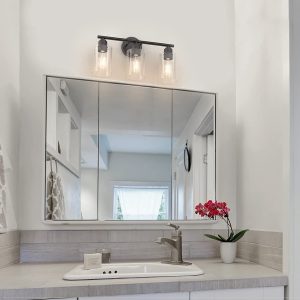
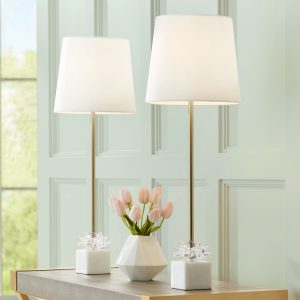

You’re aiming to create that perfect vibe in your restaurant booths, the kind that makes people want to linger, feel comfortable, and just generally enjoy their meal. A huge part of that is the lighting, but getting it right, especially in booths, can be tricky. The biggest headache? Glare. Nobody wants to be squinting or trying to read a menu while fighting off a beam of light. So, how do you light restaurant booths without that annoying glare? It’s all about strategic fixture choices, smart placement, and controlling the light itself.
Glare is basically the feeling of discomfort or reduced visibility caused by bright light Jooroom. In a restaurant booth, it’s often a direct result of light sources being too close to diners’ eye level, or light bouncing off reflective surfaces in an unpleasant way.
Why Booths Are Particularly Prone to Glare
Booths naturally create a more enclosed space for diners. This means the light sources are often closer to their faces and might be at an angle that directly hits their eyes. Unlike a large open dining room where light can be diffused more broadly, a booth concentrates the light around a smaller area, making glare a more immediate concern.
The Impact of Glare on the Dining Experience
Glare isn’t just a minor annoyance; it actively detracts from the dining experience. It can:
- Make reading difficult: Menus become illegible, and patrons might feel frustrated.
- Cause eye strain and discomfort: Diners might feel tired or agitated, cutting their meal short.
- Distort the perceived quality of food: Harsh lighting can make food look unappetizing.
- Break the mood: The intended cozy or intimate ambiance is ruined by bright, intrusive light.
Identifying Common Glare Culprits
Before we talk solutions, let’s pinpoint what usually causes glare in booths:
- Exposed bulbs: Unshielded light bulbs, especially bright ones, are a direct source of glare.
- Direct overhead lighting: Lights positioned directly above and slightly in front of where diners sit can be problematic.
- Light reflecting off tabletops: Shiny surfaces can bounce light back into diners’ eyes.
- Downlights that are too narrow: Focused beams of light that don’t spread out can create hot spots.
Strategic Fixture Selection: The Foundation of Glare-Free Booths
The type of light fixture you choose is your first and most important line of defense against glare. It’s not just about how bright the bulb is, but how the fixture is designed to distribute that light.
Diffusers: Your Best Friend Against Harshness
Diffusers are materials that scatter light, softening its intensity and spreading it over a larger area. They are crucial for eliminating direct glare.
Frosted or Opal Glass Shades
These are classic for a reason. Frosted glass diffuses light evenly, creating a gentle glow. Opal glass is similar but often has a more opaque, milky appearance, providing excellent diffusion. Look for fixtures with these types of shades.
Fabric Shades
Fabric shades, common in wall sconces or some pendant lights, offer a warm, soft diffusion. The texture of the fabric further breaks up the light, creating a cozy atmosphere. Ensure the fabric isn’t too thin or the bulb too bright, which could still cause some light bleed.
Acrylic Diffusers
Acrylic is a durable and versatile material. Many modern fixtures use acrylic diffusers that can be shaped in various ways to control light spread and reduce glare effectively.
Shielding and Baffles: Directing Light Away from Eyes
Some fixtures are designed with built-in shielding to prevent light from escaping in unwanted directions.
Louvers and Baffles
These are internal structures within a fixture that block direct light from exiting at certain angles. They are particularly effective in downlights, directing light downwards while preventing side glare. You’ll often see these in recessed lighting.
Deep-Set Sockets
In pendant or wall-mounted fixtures, a deep-set socket means the bulb is recessed further into the fixture, naturally shielding it from direct view and reducing glare.
Indirect Lighting Fixtures: Bouncing Light for Softness
Instead of shining light directly onto surfaces, indirect lighting bounces light off ceilings or walls, creating a much softer, more ambient illumination.
Cove Lighting
While often used for general ambiance, strategically placed cove lighting around booth areas can provide a gentle, ambient wash of light without any direct sources to cause glare. It’s more of a background element but contributes to the overall softness.
Up-Lights (Used Carefully)
Small, unobtrusive up-lights placed on the floor or a low shelf can direct light upwards to reflect off the ceiling. This technique, when used judiciously and with low-intensity bulbs, can provide a very gentle and glare-free illumination.
Smart Placement and Orientation: Where Light Meets Booth
Even the best glare-free fixture can cause problems if it’s positioned incorrectly. The location and angle of your lighting are just as critical as the fixture itself.
Wall Sconces: The Booth’s Best Friend
Wall sconces are often the go-to for booth lighting because they can be positioned outside the direct line of sight of seated diners.
Ideal Height for Sconces
The sweet spot for wall sconces in booths is typically between 5 feet and 6 feet from the floor. This height places the light source above eye level for most seated patrons, reducing the chance of direct glare.
Angling Sconces for Optimal Diffusion
Don’t just mount them straight. Experiment with angling wall sconces slightly downwards and inwards towards the booth. This directs the light onto the tabletop and the diners’ faces in a softer, more diffused manner, rather than directly into their eyes.
Fixture Type Matters for Sconces
Choose sconces with shades that diffuse light well. A simple, unshielded bulb in a sconce will still cause glare. Look for frosted shades, fabric shades, or fixtures with internal shielding.
Pendant Lights: A Touch of Elegance (with Caution)
Pendant lights can add a decorative element, but they require careful consideration in booth settings.
Lowering Pendants with Diffusers
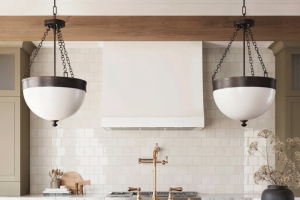
If using pendants, they should be hung at a height that ensures the bottom of the fixture is well above diners’ eye level. Aim for the bottom of the shade to be at least 6.5 to 7 feet from the floor. Crucially, ensure the pendant has a good diffuser – a frosted glass bowl or a solid shade is ideal.
Avoiding Open-Bottom Pendants
Pendants with an open bottom, where you can see the bare bulb, are almost guaranteed to cause glare in a booth. Opt for enclosed or shaded designs.
Consider “Semi-Pendants” or “Close-to-Ceiling” Fixtures
These can offer some of the decorative appeal of a pendant but are mounted closer to the ceiling, reducing the risk of direct glare compared to a full-sized hanging pendant.
Tabletop Lighting: Subtle Illumination for Menus
Sometimes, the best way to light a booth is from within, but it needs to be done with extreme care.
Low-Profile Table Lamps
Small, elegant table lamps can provide a warm pool of light directly on the table surface, perfect for reading menus. Choose lamps with shades that direct light downwards and are tall enough so the bulb isn’t easily visible from a seated position.
Integrated Table Lighting
Some modern booth designs incorporate subtle LED strips or small, recessed lights into the table itself. These need to be very low intensity and diffused to avoid glare.
Avoiding Direct Overhead Recessed Lighting
Recessed downlights positioned directly above the center of a booth are a common culprit for glare. If you must use them, ensure they have deep baffles and are angled correctly.
Baffled Recessed Lights
These have internal rings that block light from escaping sideways, directing it downwards more effectively.
Adjustable Gimbal Fixtures
These allow you to angle the light away from the direct seating area and towards the table or walls. However, always use them with caution and ensure the beam spread is wide enough to avoid creating a harsh spotlight.
Light Source Considerations: Bulb Type and Color Temperature
The actual light bulb you choose plays a significant role in the quality of light and its potential for glare.
LED Technology: Efficiency and Control
LEDs are now the standard for good reason. They offer excellent energy efficiency, long lifespan, and a wide range of color temperatures and dimming capabilities.
Lumen Output: Less is Often More
When selecting bulbs for booth lighting, you generally want lower lumen output. High lumen bulbs can be too intense even with a diffuser. For ambient booth lighting, aim for bulbs in the 400-800 lumen range, depending on the fixture and room size.
Dimmability is Key
Always opt for dimmable bulbs and fixtures. This allows you to fine-tune the light intensity to the perfect level, ensuring comfort and ambiance at any time of day or night.
Color Temperature: Setting the Mood
Color temperature, measured in Kelvin (K), affects the “warmth” or “coolness” of the light.
Warm White (2700K – 3000K)
This is generally the most desirable color temperature for restaurants. It creates a cozy, inviting, and intimate atmosphere, which is perfect for dining. Warm white light also tends to make food look more appealing.
Avoiding Cool White or Daylight Bulbs
Bulbs in the 4000K and above range appear bluish or stark. These can feel clinical, unflattering, and contribute to a feeling of glare or harshness. Stick to the warmer end of the spectrum for booths.
CRI (Color Rendering Index): Making Food Look Good
While not directly related to glare, CRI is important for how food and decor appear under the light.
Aim for High CRI (90+)
A high CRI means colors will look more natural and vibrant under the light. This is essential for making your dishes look as appetizing as possible and for showcasing the textures and colors of your restaurant’s interior design.
Controlling Light and Enhancing Ambiance
Beyond fixture selection and placement, there are other techniques to refine booth lighting and prevent glare.
Dimming Systems: The Ultimate Control
A well-designed dimming system is non-negotiable for creating adaptable and glare-free booth lighting.
Zoned Dimming
Ideally, you’ll have control over lighting zones. This means you can adjust the brightness of the lights specifically for the booth areas, independently of other restaurant lighting.
User-Friendly Controls
Ensure your dimmers are easy for staff to operate. Pre-set “daytime,” “evening,” and “late-night” settings can be a lifesaver.
Layering Light: Building Depth and Comfort
Don’t rely on a single light source for your booths. Layering different types of lighting creates depth and avoids harsh shadows or overly bright spots.
Ambient Lighting
This is the general, soft illumination of the booth area, often from wall sconces or diffused pendants.
Task Lighting
This is more focused light for reading menus. It could come from a small table lamp or a carefully positioned, low-intensity spotlight. The key is that it’s directed downwards and doesn’t spill out.
Accent Lighting (Optional)
Subtle accent lights could highlight artwork or decorative elements within the booth niche.
Reflective Surfaces: Managing Bounce
Be mindful of shiny tabletops, polished metal accents, or mirrors within or near booths.
Matte Finishes
Opt for matte or brushed finishes on tabletops and other surfaces where possible. These absorb light rather than reflecting it harshly.
Strategic Placement of Reflective Elements
If you have reflective surfaces, position them so they don’t catch direct light from the fixtures and bounce it back into diners’ eyes.
Light Shields and Guards: Extra Layers of Protection
For certain applications, especially if you’re using smaller, more exposed fixtures, consider adding external light shields or guards. These are often simple metal or acrylic elements that can be attached to a fixture to further block light from escaping in undesirable directions. They act as a secondary diffuser or blocker.
Testing and Iteration: Getting It Just Right
The most important practical step is to actually test your lighting before making it permanent.
The “Diner’s Eye” Test
Get people to sit in the booths at different times of day and night. Ask them about their comfort levels, if they can read the menu easily, and if they feel any eye strain.
Simulate Different Scenarios
Test with menus, drinks, and food on the table. Observe how the light interacts with these elements.
Observe Light Patterns
Look for direct beams, harsh shadows, or any areas that feel too bright or too dark.
Making Adjustments
Based on feedback and your own observations, be prepared to make adjustments. This could mean:
- Changing bulb wattage or color temperature.
- Adjusting dimmer settings.
- Re-angling fixtures.
- Swapping out fixtures for different models with better diffusion.
Consulting a Lighting Professional
For larger projects or if you’re struggling to achieve the desired effect, consider bringing in a lighting designer. They have the expertise and tools to create a truly optimized lighting plan that balances ambiance, functionality, and glare reduction.
By carefully considering the type of fixtures, their placement, the light source itself, and employing thoughtful control mechanisms, you can create restaurant booths that are not only aesthetically pleasing but also incredibly comfortable for your guests, ensuring they enjoy every moment of their dining experience without a single squint.