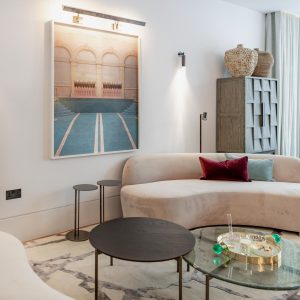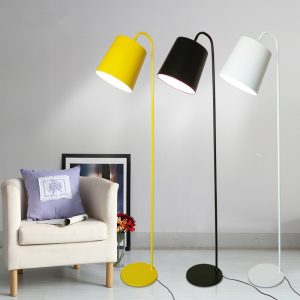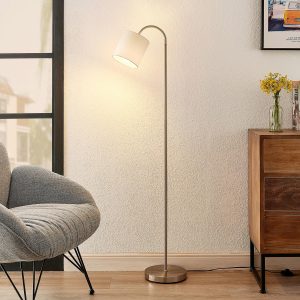
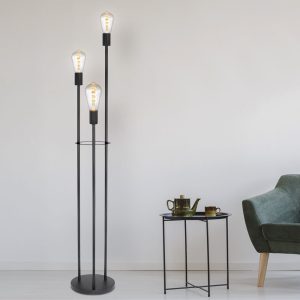
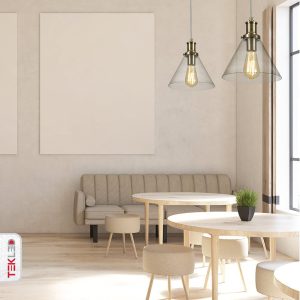
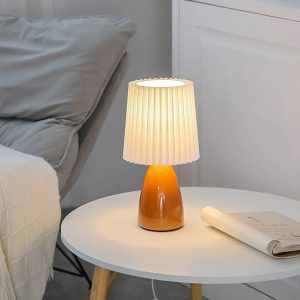
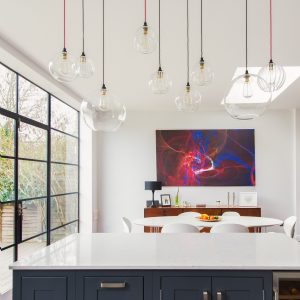
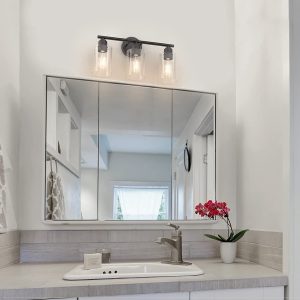
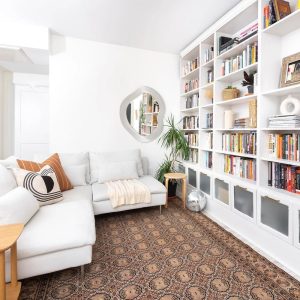
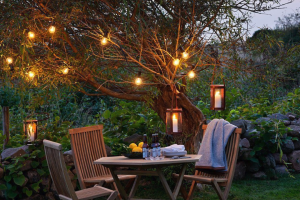


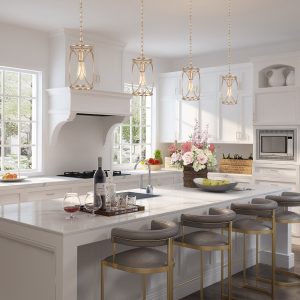
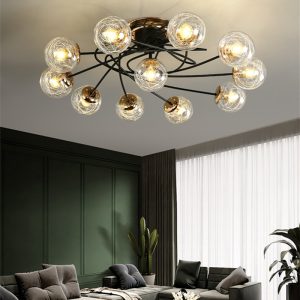
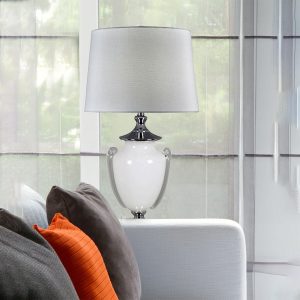

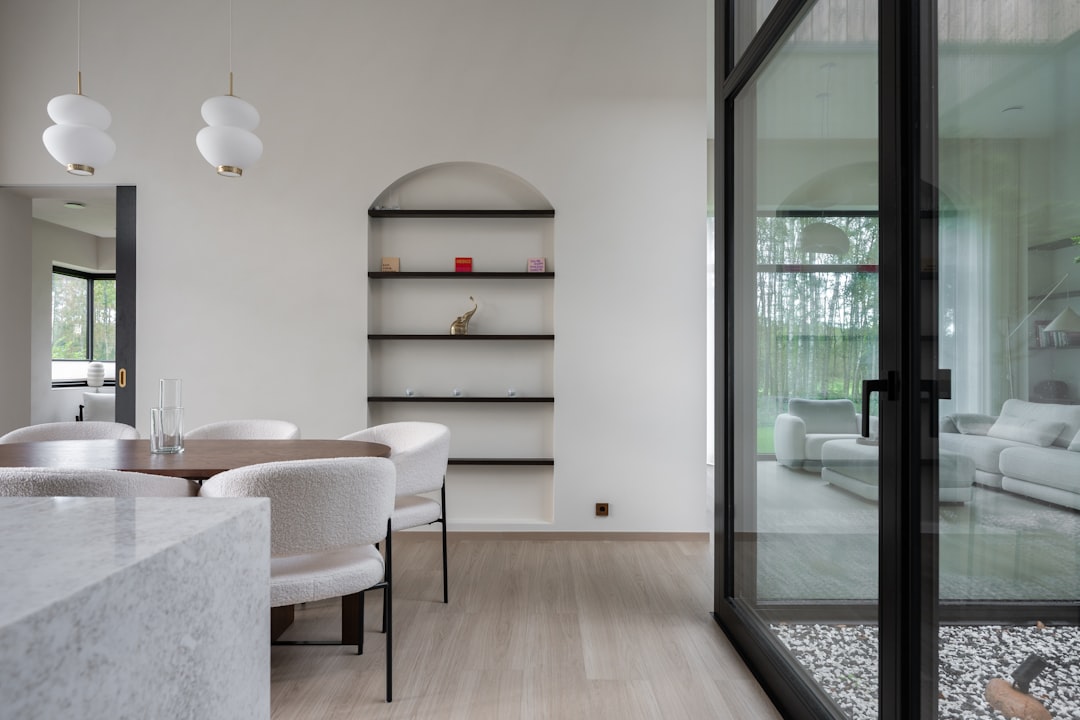
Let’s talk about making your living room feel right. You know, that cozy, inviting vibe that makes you want to curl up with a book or gather with friends? A big part of that comes down to lighting, and specifically, how you mix and match your lamps. Forget one harsh overhead light; the real magic happens when you layer different lamp heights. This isn’t just about looks; it’s about creating functional and comfortable illumination.
Why Height Matters: The Foundation of Good Lighting
Think of your living room lighting like building a nice meal. You don’t just throw everything in a pot at once, right? You layer flavors and textures. Lighting is similar. The height of your lamps plays a crucial role in where the light falls, how it bounces, and the overall mood it sets. Ignoring height can leave your room feeling flat, too bright in some spots, and too dark in others, making it less functional and less appealing.
The Problem with “Flat” Lighting
When all your light sources are at roughly the same level, you often end up with a uniformly lit space. This can feel sterile and lacks the depth that makes a room feel welcoming. Imagine a stage with only one spotlight dead center – it’s functional, but it’s not exactly atmospheric. The same principle applies to your living room.
Creating Visual Interest and Depth
Varying lamp heights introduces different pools of light and shadow. This creates a more dynamic and visually interesting environment. It draws the eye around the room, highlighting different areas and making the space feel larger and more complex. It’s about guiding the eye and creating cozy corners.
Practicality: Light Where You Need It
Beyond aesthetics, lamp height is about practicality. Need to read in your favorite armchair? A well-placed floor lamp is essential. Want subtle ambient light for conversation? Table lamps at different levels can provide that. By thinking about where you perform different activities, you can strategically place lamps at heights that best serve those purposes.
The Three-Tiered Approach: A Simple Strategy
A really effective way to approach mixed lamp heights is through a three-tiered system. It’s not a rigid rule, but more of a helpful guideline to ensure you’re covering your bases. These tiers represent different levels of light in your room.
Tier 1: The “Ambient” Layer (Lower Level)
These are your foundational lights, typically the lowest in your setup. Think of small accent lamps on side tables, console tables, or even on a bookshelf. Their primary job is to provide a soft, diffused glow that fills in the darker spots and creates a warm base layer.
Sub-Tier 1a: Small Accent Lamps
These are often your smallest lamps, maybe with fabric shades that diffuse light nicely. They’re not for reading but for adding a gentle warmth and preventing stark shadows. They can be placed on nightstands, console tables behind sofas, or on lower shelves.
Sub-Tier 1b: Low-Profile Table Lamps
Slightly larger than accent lamps, these still sit relatively low. They can contribute to the ambient light but might also offer a bit more directed light for very casual activities like scrolling on your phone. Think of lamps with slightly wider bases and shades.
Tier 2: The “Task” Layer (Mid-Level)
This is where you get into lamps that are good for specific activities. Table lamps are the workhorses here. Their height allows them to cast light onto surfaces like coffee tables or side tables, making them suitable for reading, working on a laptop, or playing board games.
Sub-Tier 2a: Standard Table Lamps
These are your classic living room table lamps, typically sitting on end tables next to sofas or armchairs. Their height is usually perfect for casting light down onto a surface for reading or general illumination in that zone. The shade plays a big role here in directing the light.
Sub-Tier 2b: Larger, Statement Table Lamps
These lamps are still mid-level but might be taller or have a more substantial base. They can provide more significant task lighting and also act as a decorative element. Their height allows them to add visual weight to a corner or a side table.
Tier 3: The “Accent” or “Highlight” Layer (Higher Level)
This tier is about adding drama, highlighting artwork, or providing overhead-like illumination without a ceiling fixture. Floor lamps are the stars here, but other options exist.
Sub-Tier 3a: Tall Floor Lamps
These are your go-to for casting light over a larger area, often from above or behind seating. They can be great for reading directly underneath or for providing a general wash of light across the room. Arc lamps are a good example of a floor lamp that can cast light from above.
Sub-Tier 3b: Picture Lights or Wall Sconces (If applicable)
While not strictly “lamps” in the traditional sense, these function as higher light sources. Picture lights directly illuminate artwork, and wall sconces can provide ambient or task lighting from a higher point on the wall, contributing to the layered effect.
Beyond the Three Tiers: Finding Your Perfect Mix
While the three-tiered approach is a solid starting point, remember it’s a flexible guideline. The actual height measurements will vary depending on your furniture and the overall scale of your room. What’s considered “low” in one room might be “mid” in another.
Measuring Up: Key Considerations
Before you start rearranging, grab a tape measure. Understanding the height of your existing furniture (sofas, armchairs, coffee tables, side tables) is crucial. You want your lamp shades to sit at a height that allows light to spill effectively onto surfaces or into the space without being directly in your line of sight or creating glare.
Sofa Height vs. Table Lamp Shade
A common guideline is that the bottom of a table lamp’s shade should be roughly at the same height as the top of your sofa back or slightly above. This ensures the light is directed down and into the seating area, not shining directly into someone’s eyes.
Armchair Height and Reading Light
For reading, the ideal height for a task lamp beside an armchair is often one where the light source is slightly above and behind your head when you’re seated. This prevents shadows from being cast by your body.
The Power of the Arc Lamp
Arc lamps are fantastic for creating a higher light source without needing a ceiling fixture. Their curved design allows them to extend over a sofa or armchair, providing a more overhead-like illumination that’s perfect for reading or general ambiance. They really bridge the gap between task and ambient lighting from a higher vantage point.
Incorporating Uplighting
Some floor lamps are designed to direct light upwards towards the ceiling. This creates a softer, more diffused ambient light as the light bounces off the ceiling and back down. It’s a subtle but effective way to add another layer of soft illumination without introducing direct glare.
Strategic Placement: Where to Put Your Lamps
It’s not just about the height; it’s also about where you position those lamps to maximize their impact and create those cozy zones.
Creating Cozy Reading Nooks
Dedicate a corner or an area next to an armchair for reading. This usually involves a comfortable chair, a small side table, and a floor lamp or a taller table lamp positioned to provide ample light. The height here is crucial for preventing eye strain.
The Armchair & Task Lamp Combo
This is a classic for a reason. Place a table lamp on the side table next to your armchair. Ensure the shade’s height allows the light to fall on your book or current activity. If you don’t have a side table, a slender floor lamp that can tuck in close is a great alternative.
Shelf Lighting for Atmosphere
Don’t forget about your bookshelves! Small accent lamps or even LED strip lights integrated into shelves can add a warm glow and highlight your books or decorative items. These are usually at a lower level, contributing to that ambient foundation.
Illuminating Conversation Areas
For the main seating area, you want a mix of ambient and softer task lighting. Table lamps on end tables flanking a sofa are perfect for this. Their varied heights will create pools of light that encourage conversation rather than a stark, brightly lit space.
Sofa-Side Lighting Strategy
Place table lamps on end tables at either end of your sofa. Aim for shades that diffuse light rather than glaring. The height should complement the sofa’s height, offering a comfortable glow for those sitting on it.
Coffee Table Illumination
A slightly lower table lamp on the coffee table itself can be a lovely touch, but be mindful of its placement. It shouldn’t be so tall that it obstructs views or conversation. Its purpose is more about adding a gentle glow to the center of the seating area.
Highlighting Architectural Features or Artwork
Use taller lamps or strategically placed accent lamps to draw attention to specific elements in your room. This adds depth and personality.
Floor Lamps as Spotlights
A well-placed floor lamp can illuminate a piece of artwork, a decorative plant, or an architectural detail. The height of the lamp allows it to cast light from a different angle than other sources, creating emphasis.
Accent Lamps on Consoles
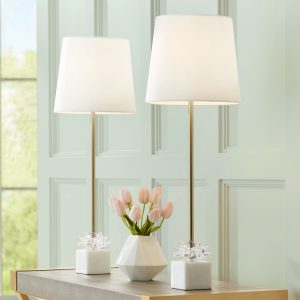
A long console table behind a sofa is a perfect spot for a couple of smaller accent lamps. Their lower height provides ambient light and can highlight any decorative items placed on the console.
The Impact of Shade Style and Material
It’s not just the height of the lamp itself, but also the shade that dictates how the light is distributed. Different shades will affect the ambiance dramatically.
Diffused vs. Directed Light
- Fabric Shades: These are generally excellent for diffusing light, creating a softer, more ambient glow. The thickness and color of the fabric will influence how much light passes through. Thicker, darker fabrics will diffuse more.
- Opaque Shades: These direct light downwards or upwards, creating more defined pools of light and shadow. This is great for task lighting.
- Clear/Glass Shades: These can cast light in all directions but can also be very bright and prone to glare if not used thoughtfully. They often work best with decorative bulbs.
Shade Shape and Size
- Drum Shades: Offer a consistent spread of light both upwards and downwards.
- Bell Shades: Often direct light more downwards, making them good for task lighting.
- Tapered Shades: Can create a more dramatic effect with light spreading wider at the bottom.
The height of the shade relative to the lamp base also plays a role. A taller shade on a short lamp will direct light higher, while a shorter shade on a taller lamp will focus light more downwards.
Putting It All Together: Finding Your Living Room’s Perfect Light “Voice”
Think of your living room lighting as a symphony. Each lamp is an instrument, and their heights and placements are the notes. When you get it right, you create a harmonious and inviting atmosphere.
Experiment and Adjust
The best way to find your perfect lighting mix is to experiment. Don’t be afraid to move lamps around. Turn them on at different times of the day and observe how the light feels.
The “Live With It” Approach
Once you’ve placed your lamps, live with the arrangement for a few days. Pay attention to how it feels when you’re actually using the room for different activities. Is the reading corner well-lit? Is the conversation area comfortable?
Fine-Tuning with Dimmers
Dimmers are your best friend when it comes to controlling ambiance. Even lamps at different heights can be made more versatile with dimmers, allowing you to adjust the intensity of the light to suit the mood.
Considering Bulb Wattage and Color Temperature
Beyond height and placement, the type of bulb you use is critical.
Wattage: The Brightness Factor
While wattage is becoming less of a direct measure with LED bulbs, the general principle of brightness still applies. Use lower wattage (or equivalent) for ambient lighting and higher wattage for task lighting.
Color Temperature: Warm vs. Cool
This is a huge factor in ambiance. For living rooms, you almost always want a warm color temperature. Look for bulbs in the 2700K-3000K range. Cooler, bluer light (above 4000K) can feel sterile and is better suited for workspaces.
The Goal: A Layered, Functional, and Inviting Space
Ultimately, the goal of mixing lamp heights is to create a living room that is both functional and deeply inviting. It’s about moving beyond the basic need for light and creating an atmosphere that enhances your life. By thoughtfully layering light at different levels, you transform your living room from just a room into a truly comfortable and engaging space.