
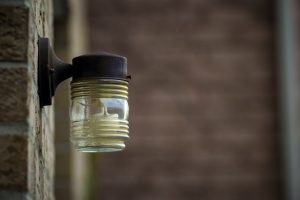
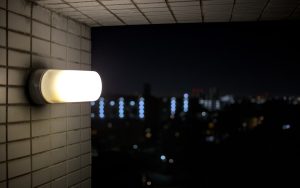

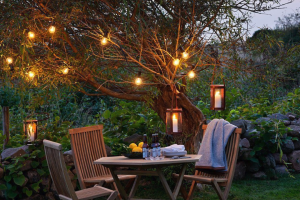



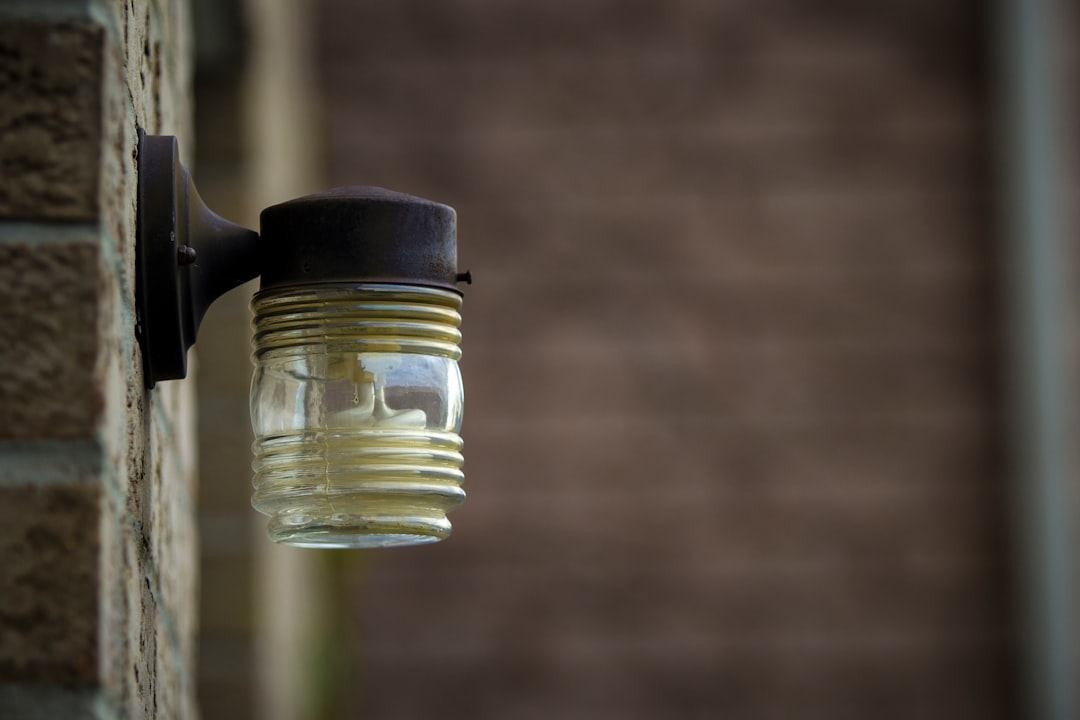
Thinking about sprucing up your front porch with a bit of light? Solar outdoor wall lights are a fantastic, straightforward solution. They offer illumination without the fuss of wiring, running up your electricity bill, or needing complicated installation. Essentially, they soak up the sun’s energy during the day and automatically light up your porch at night, making it safer, more inviting, and adding a touch of curb appeal.
When it comes to porch lighting Mytabshop, solar options stand out for a few key reasons beyond just convenience.
Eco-Friendly Illumination
Choosing solar means you’re tapping into a clean, renewable energy source. There’s no carbon footprint associated with powering these lights, which is a nice bonus if you’re trying to make more sustainable choices around your home. It’s a small step, but every bit helps.
Cost-Effective in the Long Run
While the initial purchase price might be comparable to some wired options, the real savings come in over time. You won’t see any increase in your electricity bill, ever. Once they’re installed, they run completely free. This makes them a smart economic choice for homeowners looking to reduce ongoing expenses.
Installation is a Breeze
This is arguably one of the biggest selling points. No need to hire an electrician, no digging trenches for wires, and no dealing with complicated electrical boxes. Most solar wall lights come with a simple mounting bracket and a few screws. You just pick a spot, attach them, and let the sun do the rest. It’s truly a DIY-friendly project.
Picking the Right Solar Porch Light for You
With so many options out there, it can feel a bit overwhelming. But by considering a few key factors, you can narrow down your choices and find the perfect fit for your front porch.
Brightness and Lumens
Don’t just go by “bright” or “dim” in the description. Look for lumen output. For general ambient lighting on a small porch, 50-100 lumens might be sufficient. If you need to illuminate a larger area or want more functional light for security, you might look for 200-400 lumens or even higher. Consider what you’ll be using the light for – just a soft glow, or to see where you’re putting your keys?
Battery Life and Charging
The battery is the heart of your solar light. A good quality light will have a decent capacity battery (often NiMH or Li-ion) that can store enough charge to last through the night, even after a less sunny day. Pay attention to the advertised run time. Also, consider the charging time required. Most lights need 6-8 hours of direct sunlight to fully charge.
Durability and Weather Resistance
Your porch lights are going to be exposed to the elements. Look for an IP (Ingress Protection) rating. An IP65 rating, for example, means it’s protected against dust and low-pressure water jets, making it suitable for outdoor use in most weather conditions. You want something that can withstand rain, snow, and extreme temperatures without failing. Materials like ABS plastic or aluminum are good indicators of durability.
Style and Aesthetics
This is where personal preference comes in. Solar lights come in a vast array of styles, from modern and minimalist to rustic and traditional. Think about the existing architecture and décor of your home. Do you want something sleek and unobtrusive, or a fixture that adds a decorative element? Finishes like black, bronze, silver, or even wood-grain can all contribute to the overall look.
Installation Tips for Optimal Performance
Even though solar lights are easy to install, a few pointers can ensure they work their best.
Choose the Sunniest Spot
This might seem obvious, but it’s crucial. The solar panel needs direct sunlight for as many hours as possible during the day to fully charge the battery. Avoid areas shaded by trees, overhangs, or other structures. A south-facing wall (in the Northern Hemisphere) is often ideal.
Mount at the Right Height
For general ambient light and to avoid glare, a good rule of thumb is to mount the lights at about eye level, or slightly above, usually 6-7 feet off the ground. If you’re using them for security, you might mount them a bit higher to cover a wider area.
Clean the Solar Panel Regularly
Dust, dirt, pollen, and even bird droppings can accumulate on the solar panel, reducing its efficiency. A quick wipe-down with a damp cloth every few weeks or months can make a big difference in how well your light charges and performs.
Test Before Final Installation
Before you screw everything in permanently, do a quick test. Charge the light for a day in direct sun, then cover the solar panel to simulate nighttime. This will confirm it’s working as expected before you commit to the mounting location.
Common Features to Look For
Beyond the basics, many solar wall lights offer additional features that can enhance their functionality and appeal.
Motion Sensor Activation
This is a fantastic feature for security and convenience. The light stays dim or off until motion is detected, then brightens significantly. This conserves battery power while still providing light when you need it most. It’s perfect for illuminating pathways as you approach or deterring unwelcome visitors.
Dusk-to-Dawn Operation
Most solar lights will automatically turn on at dusk and turn off at dawn. This hands-free operation is one of their main appeals. Ensure the product description explicitly states this feature if it’s important to you.
Multiple Lighting Modes
Some lights offer different modes, such as a constant dim glow, a brighter constant glow, or the motion-sensor activated mode. This allows you to customize the lighting to your specific needs and preferences. A simple button often allows you to cycle through these modes.
Warm White vs. Cool White Light
Light color temperature is often measured in Kelvin (K). Lower Kelvin numbers (around 2700K-3000K) produce a warm, yellowish light, similar to traditional incandescent bulbs, which can feel very inviting. Higher Kelvin numbers (4000K-6000K) produce a cooler, bluer white light, which is often perceived as brighter and more modern. Consider the ambiance you want to create on your porch.
Troubleshooting Your Solar Lights
Even with the best intentions, sometimes solar lights don’t perform as expected. Here are a few common issues and their solutions.
Light Isn’t Turning On at Night
This is the most common problem.
- Insufficient Charge: The primary culprit. Make sure the solar panel is getting at least 6-8 hours of direct sunlight daily. Overhangs, trees, or even dirty windows can significantly reduce charging.
- Dirty Solar Panel: As mentioned earlier, clean the panel thoroughly.
- Battery Issue: The rechargeable battery might be old or faulty. Most solar light batteries are designed to last a few years. If your light is older, try replacing the battery with a new, high-quality rechargeable equivalent.
- Sensor Blocked: If there’s a light sensor, ensure it’s not covered by dirt or an obstruction. Also, ensure there isn’t another strong light source nearby confusing the sensor into thinking it’s still daytime.
Light is Dim or Only Lasts a Short Time
Similar to the above, this often points to a charging or battery issue.
- Poor Charging: Re-evaluate the mounting location for maximum sun exposure.
- Aging Battery: Over time, rechargeable batteries lose their capacity. If the light has been working well for a year or two and then starts dimming, it’s likely time for a new battery.
- Overcast Days: A string of cloudy days will naturally reduce charging efficiency, leading to shorter run times.
Motion Sensor Isn’t Working
If your light has a motion sensor and it’s not triggering:
- Check Sensitivity Settings: Some lights have adjustable sensitivity. Ensure it’s not set too low.
- Obstructions: Make sure there’s nothing blocking the sensor’s field of view.
- Mounting Height/Angle: The sensor might be too high or angled incorrectly to detect motion effectively in the desired area.
Enhancing Your Porch Beyond Just Light
While solar wall lights are fantastic for illumination, think about how they fit into your overall porch design.
Complementary Decor
Consider the style of your lights in relation to your front door, porch furniture, planters, and other decorative elements. A cohesive look will make your porch feel more inviting and intentional. If you have a modern home, sleek metallic lights might be perfect. For a more rustic feel, perhaps something with a bronze finish or a lantern style.
Safety and Security
Beyond just aesthetics, good lighting significantly improves safety. It illuminates steps, uneven surfaces, and potential tripping hazards. Motion-activated lights also serve as a deterrent to potential intruders, making your home feel more secure. This practical aspect shouldn’t be overlooked.
Welcoming Ambiance
A well-lit porch provides a warm welcome to guests. It can highlight architectural features, accentuate your landscaping, or simply create a pleasant glow that makes your home feel more approachable. Think about how the light casts shadows and creates visual interest.
A Final Word on Your Solar Porch Project
Adding solar outdoor wall lights to your front porch is a straightforward upgrade that delivers big results in terms of convenience, aesthetics, and safety. By taking a little time to choose the right lights for your needs and ensuring they’re installed in an optimal spot, you’ll enjoy hassle-free, eco-friendly illumination for years to come. It’s a small change that can make a noticeable difference to your home’s curb appeal and your daily experience.