



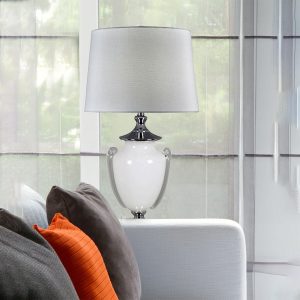

Why a Slim Ribbed Glass Lamp Works in a Nursery
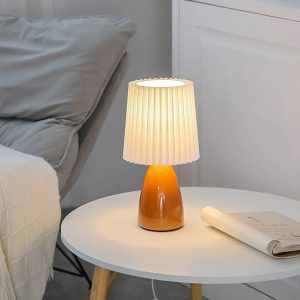
If you’re wondering whether a slim profile ribbed glass table lamp is a good fit for a nursery, the short answer is yes, absolutely. These lamps offer a fantastic blend of functionality, aesthetics, and safety that makes them an ideal choice. They provide a soft, diffused light, take up minimal space, and their subtle design can easily integrate into various nursery themes without being overwhelming. Think of it as a quiet workhorse that enhances the room without drawing all the attention.
Understanding the “Slim Profile” Advantage
When we talk about a “slim profile” lamp, we’re really focusing on its physical footprint. In a nursery, space is often at a premium, whether it’s on a changing table, a nightstand next to a glider, or even a small shelf. A bulky lamp can feel imposing and can even get in the way during those late-night diaper changes or feeding sessions.
Maximizing Limited Nursery Space
Nurseries, especially in modern homes or apartments, are rarely expansive. Every inch counts. A slim lamp frees up valuable surface area that can be used for essentials like wipes, creams, burp cloths, or a monitor. It allows for a less cluttered environment, which is not only aesthetically pleasing but also practical when you’re fumbling around in the dark. Imagine reaching for a bottle and knocking over a large, unstable lamp – not ideal. A slim design minimizes this risk.
Avoiding Visual Clutter
Beyond just physical space, a slim profile also reduces visual clutter. Nurseries can quickly become filled with colorful toys, busy patterns, and various baby gear. A lamp that is visually lightweight contributes to a calmer, more serene atmosphere. This is particularly important in a space where both parent and baby need to feel relaxed. A simple, understated lamp won’t compete with other decor elements; instead, it will complement them. It allows other focal points, like a beautiful crib or a whimsical wall mural, to shine.
The Appeal of Ribbed Glass
The “ribbed glass” element of these lamps isn’t just about aesthetics; it plays a significant role in how the light is distributed and how the lamp integrates into a room. This texture offers unique benefits that are particularly well-suited to a nursery environment.
Soft, Diffused Light for Little Eyes
One of the primary benefits of ribbed glass is its ability to diffuse light. Unlike clear glass or a solid shade that might direct light more intensely, the ribs gently break up and scatter the light. This results in a softer, more ambient glow rather than a harsh beam. For a nursery, this is crucial. A baby’s eyes are sensitive, and bright, direct light can be jarring, especially during nighttime wake-ups. The diffused light helps to create a comforting, sleepy atmosphere without being too dim to perform necessary tasks.
Adding Subtle Texture and Interest
While the lamp has a slim profile and offers diffused light, the ribbed texture prevents it from being bland or uninteresting. It adds a subtle layer of sophistication and tactile appeal without being overly decorative. This understated texture can complement various design styles, from minimalist and modern to more traditional or even bohemian nurseries. It catches the light in a gentle way, creating slight variations in shadows and highlights that add depth to the room. It’s a design detail that speaks volumes without shouting.
Complementing Various Nursery Themes
The beauty of ribbed glass is its versatility. It doesn’t commit to a single style, which is perfect for nurseries where themes can change or evolve.
Modern Minimalist Nursery
In a modern or minimalist nursery, a ribbed glass lamp fits seamlessly. Its clean lines and subtle texture align with the less-is-more aesthetic. The translucent nature of the glass maintains an airy feel, preventing the space from feeling heavy or cluttered. It provides necessary illumination without introducing unnecessary visual elements.
Whimsical or Bohemian Nursery
Even in a whimsical or bohemian nursery filled with natural textures, soft colors, and playful elements, a ribbed glass lamp can work beautifully. The organic, slightly imperfect look that light plays across the ribbed surface can echo natural materials like rattan or woven fabrics. It provides a grounding, elegant counterpoint to more eclectic decor pieces.
Traditional or Classic Nursery
For a more traditional or classic nursery, the ribbed glass can offer a contemporary twist on a timeless material. It brings a touch of modern elegance without clashing with classic furniture pieces or patterns. It can feel refined and sophisticated, elevating the overall look of the room.
Practical Considerations for Nursery Lighting
Beyond just aesthetics, a nursery lamp needs to be practical and safe. These lamps often hit the mark on several key functional requirements.
Providing Gentle Illumination for Nighttime Tasks
Let’s be honest, nighttime in a nursery can be a blur of feedings, diaper changes, and comforting. You need enough light to see what you’re doing without fully waking yourself or the baby. A slim ribbed glass lamp, especially when paired with a low-wattage or dimmable bulb, is perfect for this. It provides just enough visibility to perform tasks safely and efficiently without stimulating the baby too much. You can locate bottles, wipes, or pacifiers without fumbling in complete darkness.
Enhancing Sleep Environment
The right lighting can significantly impact a baby’s sleep patterns. Harsh, bright lights disrupt melatonin production, making it harder for babies (and parents!) to fall back asleep. The soft, warm glow from a ribbed glass lamp creates a soothing environment conducive to sleep. It signals to the baby’s developing circadian rhythm that it’s still nighttime, helping them differentiate between day and night.
Safety Features and Placement
Safety is paramount in any nursery. When choosing a lamp, there are a few things to keep in mind, and the design of these lamps often aligns well with safety best practices.
Stable Base and Cord Management
While slim, look for models with a reasonably stable base to prevent accidental tipping. Cord management is also crucial. Ensure the cord can be tucked away or secured to prevent a curious toddler from pulling on it. Many lamps now come with integrated cord channels or are designed to sit flush against a wall, making cord concealment easier. Consider using cord clips or sleeves to keep the cord out of reach.
Bulb Choice and Heat
Always use the recommended wattage for the lamp. For a nursery, LED bulbs are an excellent choice. They produce very little heat, reducing any burn risk should a child touch the lamp, and they are energy-efficient. They also often come in various color temperatures, allowing you to choose a warm, soft white light that is ideal for a nursery. Avoid traditional incandescent bulbs, which can get very hot.
Strategic Placement
Because of their slim profile, these lamps can be placed in less obtrusive locations. On a sturdy shelf that is out of reach of tiny hands, on a high dresser, or on a dedicated nightstand next to a glider, far enough from the crib. Avoid placing them directly on the floor or on low surfaces where a crawling baby could easily access them. Think about what a child might grab or pull as they grow and try to place the lamp accordingly.
Choosing the Right Bulb and Features
The lamp fixture itself is only half the story; the bulb and additional features play a huge role in its functionality and overall suitability for a nursery.
The Importance of Dimmable LED Bulbs
This is perhaps the most critical consideration for any nursery lamp. A standard on/off switch simply isn’t versatile enough.
Adjusting Brightness for Different Needs
A dimmable LED bulb allows you to tailor the light output precisely to your needs. During a middle-of-the-night feeding, you might only need a faint glow to see the baby’s face. For a quick diaper change, a slightly brighter setting might be preferred. As your child grows, the lamp can transition from a feeding light to a gentle nightlight for comfort, or even a low light for reading a bedtime story. The flexibility is invaluable.
Warm White vs. Cool White Light
For a nursery, always opt for warm white (around 2700K-3000K) LED bulbs. This light color mimics natural evening light and is known to be more calming and less disruptive to sleep than cooler, bluer light temperatures (which are more stimulating and often found in task lighting). The warm glow enhances the cozy atmosphere of the ribbed glass.
Smart Lamp Integration (Optional but Handy)
While not strictly necessary, incorporating smart bulb technology can elevate the convenience factor of your nursery lamp.
Remote Control and Voice Activation
Imagine being able to turn the light on or off, or adjust its brightness, from across the room using your phone or a voice assistant. This is particularly helpful when you have a sleeping baby in your arms or are trying to quietly leave the room. Smart bulbs can be paired with apps, smart home hubs, or voice assistants like Alexa or Google Home.
Scheduling and Automation
Some smart systems allow you to schedule the lamp to turn on at a very low setting as morning approaches, gently easing the baby awake, or to dim gradually at bedtime as part of a sleep routine. While these might seem like extra features, they can genuinely make life a little easier for sleep-deprived parents.
Integrating the Lamp into Your Nursery Design
A slim ribbed glass table lamp isn’t just functional; it’s a design element that can elevate the entire nursery aesthetic. Its understated elegance allows it to blend rather than dominate, providing both light and style.
Complementing Existing Color Palettes
The translucent nature of glass means it doesn’t introduce a new color that might clash with your chosen palette. Whether your nursery is decorated in soft pastels, bold primary colors, or calming neutrals, the lamp will simply pick up on the surrounding hues and subtly enhance them. Its natural material and subtle texture make it a versatile chameleon.
Pairing with Other Textures and Materials
Ribbed glass pairs beautifully with a variety of other textures common in nurseries. Think about how it would look next to:
- Soft fabrics: A plush rug, a cozy blanket draped over a glider, or linen curtains. The smooth yet textured glass provides a lovely contrast.
- Natural wood: A wooden crib, dresser, or shelf. The warmth of the wood complements the cool clarity of the glass.
- Woven baskets or rattan furniture: The organic, open weave of these materials provides a textural dialogue with the structured yet delicate ribs of the glass.
- Metallic accents: Subtle gold, silver, or bronze elements in frames or hardware can pick up on the reflections in the glass, adding a touch of sophisticated shimmer.
Creating a Cohesive Look
To ensure the lamp feels fully integrated, consider these tips:
- Balance: If the lamp is on one side of the room, consider a smaller, complementary decorative item or piece of furniture on the opposite side to create visual balance.
- Repetition: If possible, repeat the ribbed texture elsewhere in the room, perhaps with a vase, a small storage container, or even certain fabric patterns. This creates a cohesive design language.
- Scale: Ensure the lamp’s size is appropriate for the surface it sits on and the overall scale of the nursery furniture. A slim lamp on a very large dresser might look a little lost, while on a smaller nightstand, it’s perfect.
In summary, a slim profile ribbed glass table lamp is much more than just a light source for a nursery. It’s a thoughtfully designed piece that offers soft, diffused illumination, maximizes space, adds subtle texture, and fits effortlessly into various decor styles. Its practical benefits, especially when paired with a dimmable LED bulb, make it an invaluable addition for those late-night parental duties, while its safety considerations and aesthetic versatility ensure it’s a smart choice for any new parent.