
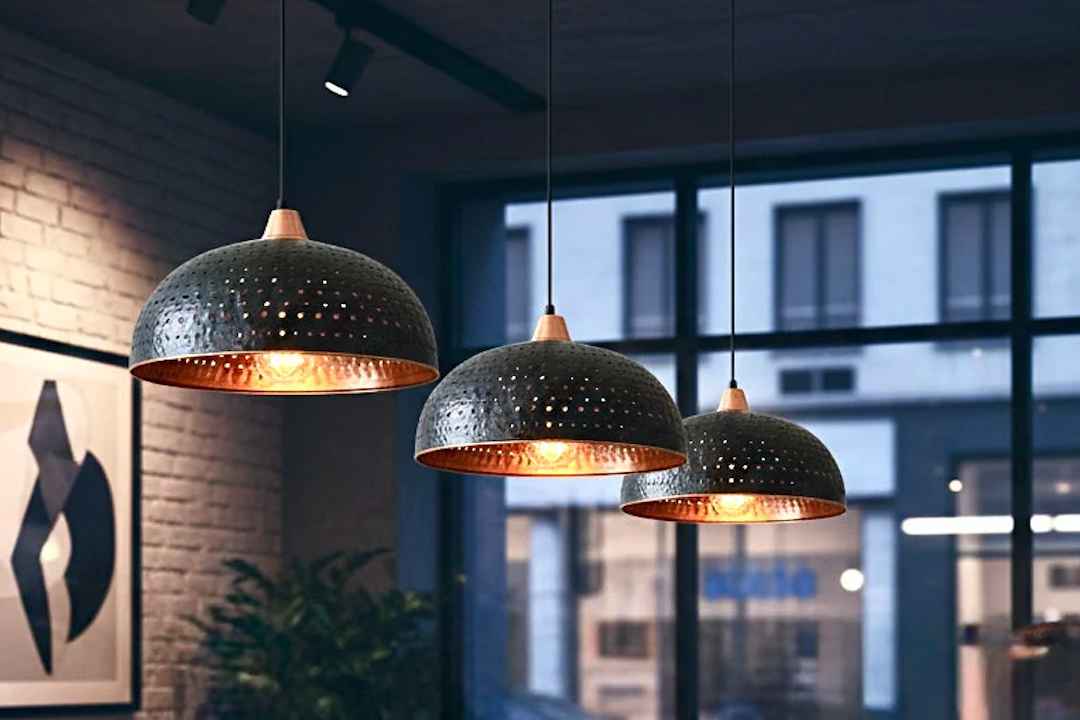
Looking to add a touch of warmth and unique style to your space? Natural fiber dome café hanging lights, often sporting an “Afro-chic” vibe, are a fantastic way to do just that. They’re practical for ambient lighting, incredibly stylish, and bring a grounded, earthy feel that many contemporary designs crave. Forget sterile modernism – these lights are all about texture, organic shapes, and a story told through craftsmanship.
When you’re thinking about lighting, it’s easy to get caught up in the purely functional. But a well-chosen light fixture can transform a room. Natural fiber lights, especially in a dome or basket-weave style, offer several benefits beyond just illumination.
A Focus on Sustainability and Craftsmanship
One of the biggest draws of natural fiber lighting Uikobo is its inherent connection to sustainability. These aren’t mass-produced plastic affairs.
Eco-Friendly Materials
Most natural fiber lights are made from rapidly renewable resources like rattan, bamboo, seagrass, jute, or raffia. These materials grow quickly and are biodegradable, making them a much more environmentally conscious choice compared to synthetic alternatives. This aligns perfectly with a growing desire for eco-friendly home decor. When you buy one of these lights, you’re not just getting a piece of decor; you’re often supporting a sustainable cycle of creation.
Supporting Artisan Communities
Often, these lights are handcrafted by artisans, frequently in communities known for their weaving traditions. This means your purchase can directly support skilled craftspeople, helping to preserve traditional techniques and providing fair wages. There’s a story behind every weave, a human touch that machinery simply can’t replicate. This also means that no two lights are exactly the same – each has its own subtle variations and character.
Durability and Longevity
Despite their organic appearance, many natural fibers are surprisingly durable. When properly cared for, a well-made rattan or bamboo light fixture can last for many years. They don’t rust like some metals or become brittle like certain plastics, offering a good return on your investment in terms of longevity.
The Warmth and Texture Factor
Modern interiors can sometimes feel a bit cold or stark. Natural fiber lights are an excellent antidote to this.
Soft, Diffused Lighting
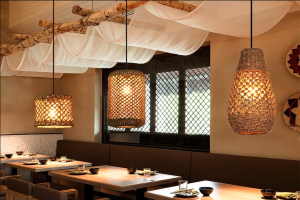
The woven nature of these fixtures creates a beautiful interplay of light and shadow. Instead of a harsh, direct glow, the light filters through the fibers, creating a softer, more diffused illumination. This is ideal for creating a cozy, inviting atmosphere – perfect for a dining area, a relaxed living room, or even a serene bedroom. It’s less about bright task lighting and more about ambient warmth.
Adding Visual Interest
Texture is a powerful design tool. A natural fiber dome light immediately adds a tactile element to a room. The intricate weaving patterns, the variations in the fibers, and the natural hues all contribute to a rich visual tapestry. This can break up monotonous walls or ceilings and act as a focal point without being overly dominant. It’s a subtle way to add depth and character.
Complementing Various Styles
While we’re discussing the “Afro-chic” aesthetic, these lights are surprisingly versatile. They fit seamlessly into bohemian, Scandinavian, coastal, rustic, and even minimalist interiors that need a touch of organic softness. They act as a grounding element, connecting different design threads together.
The “Afro-Chic” Vibe Explained
When we talk about “Afro-chic” in decor, it’s not just about replicating traditional African designs wholesale. It’s more about drawing inspiration from the continent’s rich artistic heritage, its use of natural materials, and its vibrant aesthetic, then blending it with contemporary style.
Organic Shapes and Forms
African art and design often celebrate natural, organic shapes. Think of the graceful curves of calabashes, the flowing lines of traditional carvings, or the rhythmic patterns found in nature.
Breaking Away from Rigid Lines
Many natural fiber dome lights embody this ethos. Their rounded, often imperfect forms stand in contrast to the rigid straight lines prevalent in much of Western industrial design. This creates a sense of handcrafted authenticity and warmth. It’s less about perfect symmetry and more about natural beauty.
Earthy Color Palettes
The colors associated with Afro-chic are typically earthy and warm – rich browns, sun-baked oranges, deep reds, sandy beiges, and natural creams. The un-dyed natural fibers of these lights embody this palette perfectly, bringing a foundational warmth to any space. Even when dyed, the colors tend to be muted and natural-looking rather than overtly bright.
Cultural Authenticity (and Avoiding Misappropriation)
It’s important to approach cultural inspiration with respect and understanding.
Appreciation vs. Appropriation
“Afro-chic” done well is about appreciation and inspiration, not appropriation. It’s about acknowledging the origins of certain styles and techniques and celebrating them. When purchasing these lights, if possible, look for brands that ensure ethical sourcing and fair trade practices, directly benefiting the communities that produce these crafts. This turns your decor into a story of beneficial connection.
Blending Traditions with Modernity
The “chic” in Afro-chic comes from its ability to blend these traditional elements with modern sensibilities. A natural fiber dome light, while rooted in traditional weaving, can look incredibly contemporary in a minimalist setting. It’s about finding harmony between different design philosophies.
Choosing Your Perfect Afro-Chic Dome Light
With so many options out there, how do you pick the right one for your space? Consider these factors.
Material Matters
Each natural fiber has its own distinct characteristics.
Rattan: Classic and Versatile
Rattan is probably the most common and recognizable material. It’s strong, pliable, and creates beautiful, intricate weaves. Rattan lights often have a slightly smoother finish and can range from light blonde to deeper honey tones. It’s incredibly versatile and works well in almost any interior.
Bamboo: Light and Airy
Bamboo is lighter in color and often has a more segmented, architectural feel, especially if strips are used rather than finely woven strands. It’s known for its strength and sustainability, growing incredibly fast. Bamboo lights can create a very airy and open feel.
Seagrass and Jute: Textural and Robust
Seagrass and jute offer a rougher, more pronounced texture. They tend to be thicker fibers, resulting in a more rustic and tactile appearance. These are excellent if you want to dial up the organic, earthy feel and add significant texture to your space. Jute, in particular, has a wonderfully chunky quality.
Raffia: Fine and Bohemian
Raffia is a finer fiber, often used in more delicate weaving. It can create a softer, almost fringed look, lending itself well to a more bohemian or relaxed aesthetic. Raffia lights often have a natural sheen that catches the light beautifully.
Size and Scale Considerations
Getting the size right is crucial for impact and proportion.
Over a Dining Table
For a dining table, you generally want the bottom of the light fixture to be about 30-36 inches (76-91 cm) above the tabletop. The width of the light should ideally be about one-half to two-thirds the width of your table. A larger, more dramatic dome can be a stunning focal point here.
In a Living Room
In a living room, if it’s a primary ambient light, it can be higher, around 7 feet (2.1 meters) from the floor, to avoid head bumps. If it’s over a coffee table or a specific seating area, you can bring it lower to create a more intimate zone. Consider whether you want one large statement piece or a cluster of smaller ones at varying heights.
Bedroom Ambiance
For a bedroom, especially if it’s a dome, placing it centrally can offer beautiful diffused light. If your ceilings are lower, choose a shallower dome or consider wall sconces in a similar style. The diffused light from these fixtures is perfect for creating a relaxing bedroom atmosphere.
Weave Openness and Light Output
The tightness of the weave will significantly affect how light is cast into the room.
Tight Weaves for Soft Glow
A very tightly woven dome will mostly direct light downwards and create more pronounced shadows on the ceiling and walls from the gaps. This is great for creating a focused pool of light and a very cozy, intimate mood.
Loose Weaves for Ambient Light
A more open, looser weave will allow more light to permeate through the sides and cast a broader, gentler glow across the room. This is better for general ambient lighting where you want more even illumination. Think about the primary function of the light in that particular space.
Installation and Maintenance Tips
Natural fiber lights are generally straightforward to install and care for, but a few pointers can ensure they last and look their best.
Professional Installation for Safety
While many basic hanging lights are DIY-friendly, especially if replacing an existing fixture, always err on the side of caution.
Electrical Connections
If you’re not comfortable with electrical wiring, absolutely hire a qualified electrician. It’s safer, ensures proper grounding, and prevents potential hazards. This is especially true if you’re installing a new fixture where none existed before or making changes to your existing wiring.
Weight of the Fixture
Some larger dome lights can be heavier than they appear. Ensure your ceiling box and mounting hardware are robust enough to safely support the weight. An electrician will also assess this.
Bulb Selection for Desired Effect
The type of bulb you use will greatly impact the final look and feel of your light.
Warm LED Filaments
For that authentic, warm “Afro-chic” glow, consider LED Edison-style filament bulbs. They mimic the look of incandescent bulbs but are energy-efficient and don’t produce excessive heat, which is important for natural fiber fixtures. A warm white (2700K-3000K) color temperature is ideal.
Dimmable Options
If you want versatility, choose a dimmable bulb and pair it with a compatible dimmer switch. This allows you to adjust the ambiance from bright enough for tasks to a soft, romantic glow.
Avoid High Heat Bulbs
Definitely avoid old-fashioned incandescent bulbs. They produce a lot of heat, which can potentially dry out or even scorch natural fibers over time. LEDs are the safest and most efficient choice.
Keeping Your Light Looking Fresh
Natural fibers require a little specific care to maintain their beauty.
Regular Dusting
The woven texture can collect dust. A soft brush, a feather duster, or even a vacuum cleaner with a brush attachment on a low setting will work wonders for regular cleaning. Do this often to prevent dust buildup from becoming noticeable.
Spot Cleaning (Carefully)
If there are any minor marks, a very slightly damp cloth (almost dry) can be used, but test a small, inconspicuous area first. Avoid saturating the fibers with water, as this can cause warping or discoloration. Natural fibers can be sensitive to moisture.
Humidity Control
Natural fibers can be sensitive to extreme changes in humidity. In very dry climates, they might become brittle. In extremely humid climates, they could potentially develop mold if there isn’t good airflow. Keeping your indoor humidity within a comfortable range for humans (around 30-50%) is also generally good for these materials.
By incorporating a natural fiber dome café hanging light, you’re not just adding illumination; you’re injecting personality, warmth, and a connection to nature and craftsmanship into your home. It’s a simple yet powerful way to embrace an “Afro-chic” aesthetic and create a space that feels both stylish and deeply inviting.