
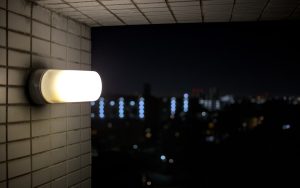









Wabi-sabi and a rechargeable outdoor wall light? Absolutely, they’re a surprisingly good fit. It’s all about finding beauty in imperfection and impermanence, and a light that’s designed to be used, aged, and even moved around a bit perfectly embodies that. Think less about pristine perfection and more about quiet resilience and the subtle stories a well-used item can tell.
Forget what you might have seen on minimalist design blogs – wabi-sabi isn’t just about beige and empty spaces. It’s a profound Japanese aesthetic that celebrates transience and imperfection. It acknowledges that nothing is truly finished, nothing lasts forever, and nothing is perfect.
Embracing the Imperfect
This isn’t about making things look messy, but rather appreciating the cracks, the worn edges, the patina of age. A chipped teacup holds more history and character than a factory-fresh one. It’s about seeing the beauty in what is, not what could be or should be.
The Beauty of Impermanence
Things change, and wabi-sabi recognizes this as a fundamental truth. A garden path worn smooth by countless footsteps, a wooden fence weathering gracefully over time – these aren’t flaws to be fixed, but natural evolutions to be admired. Our rechargeable light Kefiliving, designed for a life outdoors, will inevitably bear witness to this change.
Authenticity Over Artifice
Wabi-sabi prefers the genuine to the artificial. Natural materials, honest wear and tear, and a sense of understated reality are key. It’s about things that feel real, that have a story, and aren’t trying to be something they’re not.
Why a Rechargeable Outdoor Wall Light?
This isn’t just any light. Its very nature aligns with wabi-sabi principles, making it a thoughtful choice for a space that values natural evolution and understated charm.
Portability and Adaptability
Unlike a hard-wired fixture, a rechargeable light offers unparalleled flexibility. You can move it, reposition it, and let it adapt to the changing needs or moods of your outdoor space. This impermanence of placement resonates with wabi-sabi’s core tenets.
Responding to the Seasons
As your garden shifts with the seasons, so too can your lighting. Perhaps you need more light by a winter-bare shrub, or a softer glow near a summer evening seating area. The rechargeable nature allows this fluid adjustment.
Experimenting with Light
Wabi-sabi isn’t about rigid rules. It encourages exploration and discovery. With a portable light, you can experiment with different angles and placements to highlight textures, shadows, and natural elements as they appear at different times of day or year.
Embracing the Patina of Time
Outdoor items, by their very definition, are exposed to the elements. A rechargeable light, especially one made from suitable materials, will naturally develop a patina, telling the story of its time outdoors.
Weathered Finishes
Look for lights with materials like copper, brass, or even certain types of steel that will age gracefully, developing unique colors and textures as they oxidize. This isn’t damage; it’s character.
The Mark of Use
A scratch from a passing branch, a subtle fading from the sun – these aren’t imperfections to hide, but marks of life. They add depth and individuality, much like the subtle imperfections in a handcrafted piece of pottery.
Minimalist Form, Maximum Impact
Wabi-sabi often favors simplicity in form, allowing the inherent beauty of the material and the object’s function to shine through. A well-designed rechargeable light often embodies this.
Understated Design
Many rechargeable outdoor lights are designed with clean lines and a focus on functionality. They aren’t trying to be flashy; they’re simply doing their job, and doing it well. This quiet efficiency is very wabi-sabi.
Highlighting Natural Elements
Instead of being a dominant feature, the light becomes a subtle accent, drawing attention to the textures of a stone wall, the foliage of a plant, or the gentle movement of water in a fountain. It enhances, rather than competes with, nature.
Choosing Your Wabi-Sabi Rechargeable Light
Not all rechargeable lights are created equal when it comes to embodying wabi-sabi. A little thoughtful selection goes a long way.
Material Matters
The material of your light is crucial for a wabi-sabi aesthetic. It needs to be something that ages gracefully and connects with the natural environment.
Natural Metals
Consider lights made from copper, brass, or corten steel. These metals will develop a rich, earthy patina over time, echoing the colors and textures of soil, leaves, and bark. They are resilient and their aging process is part of their charm.
Sustainable Woods (Carefully Chosen)
While wood can be beautiful, it requires more maintenance outdoors. If you opt for wood, choose reclaimed or sustainably sourced options and be prepared for it to weather and grey, which can be lovely in a wabi-sabi context, but needs to be embraced, not fought.
Textured or Matte Finishes
Avoid overly glossy or synthetic-looking finishes. Opt for matte, powder-coated, or textured surfaces that feel more organic and less manufactured.
Light Quality and Effect
The light itself plays a significant role in creating a wabi-sabi atmosphere. It’s about gentle illumination, not harsh brightness.
Warm, Soft Glow
Look for lights with a color temperature around 2700K-3000K (warm white). This mimics the soft glow of candlelight or a low-intensity incandescent bulb, creating a cozy and inviting ambiance. Cooler temperatures can feel sterile and out of place.
Focused or Diffused Lighting
Consider how the light is cast. Does it create interesting shadows and highlights on a textured wall? Does it diffuse a soft glow over a seating area? Avoid floodlighting that washes everything out.
Adjustable Brightness
The ability to dim the light is a huge plus. This allows you to adjust the intensity to suit the mood, time of day, or simply your personal preference, further enhancing that sense of subtle control and adaptation.
Durability and Repairability
While wabi-sabi celebrates imperfection, it doesn’t glorify shoddy craftsmanship. A well-made item that can be repaired or maintained is more wabi-sabi than something designed to be disposable.
Robust Construction
Look for lights built to withstand outdoor conditions. Good seals, quality components, and a sturdy housing will ensure longevity.
Replaceable Batteries
Ideally, the battery should be replaceable. This extends the life of the product significantly, aligning with the wabi-sabi principle of valuing things for the long term rather than discarding them when a component fails.
Integrating with Your Outdoor Space
Simply placing a wabi-sabi light isn’t enough. It’s about how it interacts with its surroundings to create a cohesive, tranquil environment.
Highlighting Natural Textures
Use the light to draw attention to the inherent beauty of your outdoor materials.
Stone Walls and Fences
A wall light can cast interesting shadows and highlight the rough, uneven surfaces of stone or the grain of weathered wood. This emphasizes the natural character that wabi-sabi values.
Plant Life and Foliage
Position lights to graze along the leaves of a plant, revealing their intricate shapes and textures, or to create dramatic shadows that add depth to your garden at night.
Creating Calm Zones
Wabi-sabi spaces are often about quiet contemplation and finding moments of peace. Lighting plays a key role here.
Intimate Seating Areas
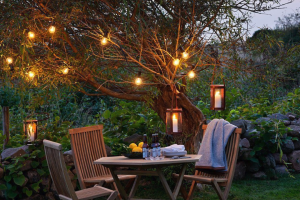
A softly lit corner with a comfortable bench or a couple of chairs becomes an inviting spot for quiet reflection or conversation. The light creates a sense of enclosure and warmth.
Pathways and Entrances
Instead of brightly illuminating entire paths, use subtle lighting to guide the eye and ensure safety, creating a gentle progression rather than a stark announcement.
Embracing Shadow and Negative Space
Wabi-sabi isn’t just about what is lit, but also what remains in shadow. The interplay of light and dark is crucial.
Deliberate Darkness
Don’t feel the need to light up every corner. Allow some areas to remain in shadow, creating mystery and depth. This negative space is just as important as the illuminated elements.
Dynamic Shadows
As the sun sets and the moon rises, and as your light is turned on, observe the shadows it casts. These are constantly changing, adding a dynamic, impermanent element to your space.
Living with Your Wabi-Sabi Light
This isn’t a “set it and forget it” kind of aesthetic. It’s about a relationship with your objects and your space.
Allowing Natural Wear
Don’t be afraid of scuffs, fading, or the development of a patina. These are not flaws but signs of life and experience. They add to the character and unique story of your light.
Resisting Over-Maintenance
While you should maintain your light for functionality (keeping it charged, cleaning off excessive dirt), resist the urge to constantly polish away natural aging or try to make it look brand new.
Documenting the Change
Take a photo of your light when it’s new, and then again a year later. You’ll appreciate the subtle transformations and the beauty of its natural evolution.
The Ritual of Recharging
The act of taking the light down to recharge it isn’t a chore; it’s a small ritual that connects you to the object and its purpose.
A Moment of Connection
Consider it a pause, a moment to handle the object, to feel its weight, and to appreciate its utility. It’s a small, mindful interaction.
Appreciating Energy
It also connects you to the source of its power – the sun if you’re charging it via solar, or the domestic power grid. It’s a reminder of the energy that makes it function.
Adapting and Evolving
Your outdoor space, like life itself, is constantly changing. Your wabi-sabi light can change with it.
Repositioning as Needed
Don’t feel obliged to keep the light in one spot forever. Move it as your plants grow, as your furniture rearranges, or as your needs for illumination shift.
Adding Complementary Elements
Over time, you might add other wabi-sabi-inspired elements to your outdoor space – a rustic planter, a beautifully weathered garden ornament, or a simple, natural-fiber rug. Your rechargeable light will fit right in, evolving with its surroundings.
Embracing wabi-sabi with a rechargeable outdoor wall light isn’t about perfectly replicating a Japanese aesthetic; it’s about adopting a mindset. It’s choosing an object that, through its design and eventual wear, tells a story of connection to nature, respect for impermanence, and a quiet appreciation for the beauty of things as they truly are. It’s a practical choice that also offers profound aesthetic rewards.