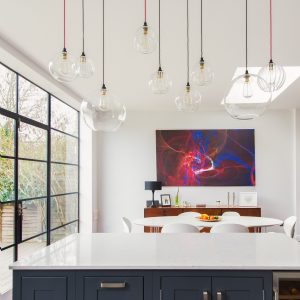
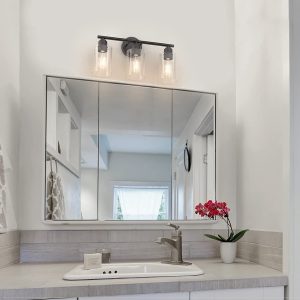
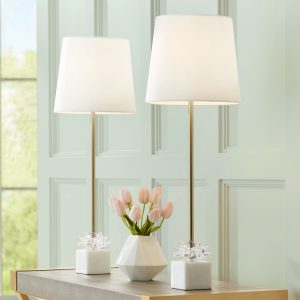
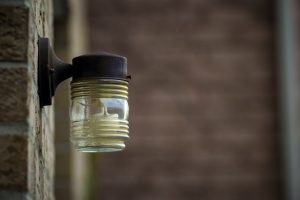


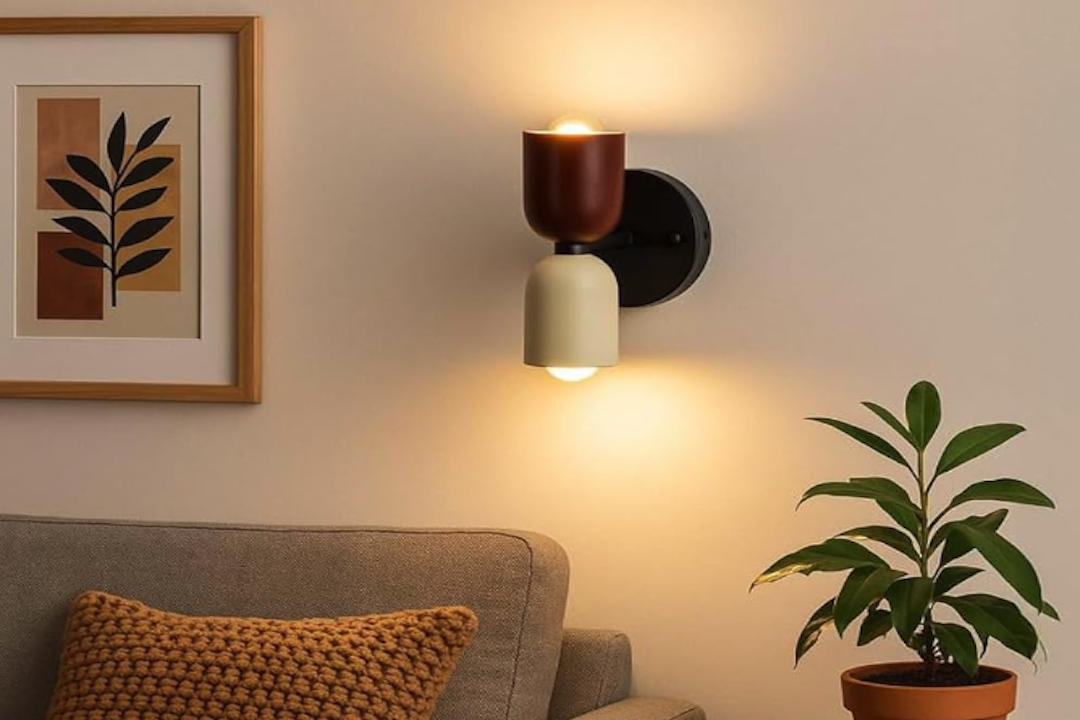
The contemporary reception area functions as the gateway to an organization, often shaping first impressions. Lighting, a critical component of interior design, plays a pivotal role in this initial perception. Wall lamps, in particular, offer a distinct advantage over ceiling or floor lighting, providing both functional illumination and aesthetic enhancement. This article delves into the considerations and types of elegant wall lamps suitable for reception areas.
A reception area is more than just a waiting room; it is a communication hub. Effective lighting here contributes to a professional atmosphere, guides visitors, and can subtly reinforce brand identity. Illumination must be balanced, avoiding both dimness that suggests neglect and glare that causes discomfort. Wall lamps Simiglighting offer a versatile solution, contributing to ambient light while also serving as decorative elements.
Ambient Illumination and Task Lighting
Ambient lighting establishes the overall brightness of a space. In a reception area, this typically involves a combination of light sources. While overhead fixtures often provide the primary ambient light, wall lamps can supplement this, mitigating harsh shadows and creating a more inviting glow. Task lighting, on the other hand, focuses on specific areas where activities occur, such as a check-in desk or a reading nook. Wall sconces, strategically placed, can provide this focused illumination without taking up valuable surface space.
Aesthetic Contribution and First Impressions
The visual appeal of a reception area is paramount. Wall lamps contribute significantly to this by acting as decorative elements themselves, or by highlighting architectural features and artwork. A well-chosen wall lamp, much like a carefully selected piece of jewelry, can elevate the entire ensemble, conveying sophistication and attention to detail. This initial visual experience, often fleeting, imprints a lasting impression on visitors.
Design Considerations for Elegant Wall Lamps
Selecting elegant wall lamps for a reception area requires a nuanced approach, weighing functionality against aesthetic appeal. The chosen fixtures should integrate seamlessly with the existing decor while meeting specific operational demands.
Scale and Proportion
The size and scale of wall lamps must be proportionate to the wall space they occupy and the overall dimensions of the reception area. An oversized fixture can overwhelm a small space, while an undersized one can appear insignificant. Consider the ceiling height, wall length, and the presence of other architectural elements. A balanced approach ensures harmony within the design.
Materiality and Finish
The materials and finishes of wall lamps significantly influence their elegance and durability. Metals such as brass, brushed nickel, and polished chrome convey a contemporary or classic aesthetic, depending on their form. Glass, acrylic, and fabric diffusers soften light, contributing to a welcoming ambiance. Wood elements can introduce warmth and natural texture. The chosen materials should align with the overall design narrative of the reception area and withstand regular use.
Longevity and Maintenance
Durability is a practical consideration. Materials that are prone to tarnishing or require frequent cleaning may not be ideal for high-traffic areas. Easy-to-maintain finishes and robust construction are preferable to minimize operational overheads.
Light Distribution and Directionality
The manner in which a wall lamp distributes light impacts the mood and functionality of the space. Uplighters cast light towards the ceiling, creating a sense of height and indirect illumination. Downlighters provide more focused illumination, often highlighting architectural details or artwork. Lamps with both up and down light components offer a balanced effect. Consider the desired ambiance and the specific needs of the reception area when selecting the light distribution pattern.
Glare Control
Direct glare from an exposed light source can be uncomfortable. Elegant wall lamps typically incorporate diffusers or shades to soften the light and prevent direct eye contact with the bulb. Indirect lighting, where the light source is concealed and illuminates a surface that then reflects light into the space, is another effective method for glare control.
Types of Elegant Wall Lamps
A diverse range of wall lamp designs can be considered for reception areas, each offering distinct aesthetic and functional advantages.
Sconces
Wall sconces are perhaps the most common type of wall lamp. They are typically mounted directly to the wall and offer a variety of light distributions. Their versatility makes them suitable for numerous design schemes.
Up-and-Down Sconces
These sconces direct light both upwards and downwards, creating a symmetrical wash of light on the wall. This dual illumination can accentuate wall textures or provide a balanced ambient glow. They are particularly effective when used in pairs or series along a prominent wall.
Diffused Sconces
Diffused sconces incorporate a shade or diffuser, typically made of glass, fabric, or acrylic, to soften and spread the light evenly. This creates a gentle, ambient illumination, reducing harsh shadows and contributing to a welcoming atmosphere. Their aesthetic can range from minimalist to ornate, accommodating various interior design styles.
Picture Lights
While primarily designed to illuminate artwork, picture lights can also serve as elegant wall lamps, especially in reception areas that feature art pieces. They provide focused, directional light, drawing attention to specific elements.
Adjustable Heads
Many picture lights feature adjustable heads, allowing for precise angling of the light beam. This flexibility is crucial for illuminating different sizes of artwork or for adapting to changes in displays.
Architectural Wall Lamps
This category encompasses minimalist and integrated wall lamps that often blend seamlessly with the architectural features of the space. They prioritize clean lines and subtle illumination.
Recessed Wall Washers
These fixtures are integrated into the wall structure, providing a smooth, even wash of light across a surface. They are ideal for highlighting textured walls or creating a subtle glow without the presence of a protruding fixture. Their understated design contributes to a sophisticated, modern aesthetic.
Linear Wall Lights
Long, slender wall lights, often featuring LED technology, provide a continuous line of illumination. They can be used to emphasize horizontal or vertical architectural elements, or to create a contemporary visual statement. Their sleek profile lends itself well to minimalist and high-tech reception environments.
Integration with Interior Design Styles
The choice of elegant wall lamps should be a conscious reflection of the overarching interior design style of the reception area. Harmony between lighting and decor is crucial for a cohesive and sophisticated space.
Modern and Contemporary Spaces
For modern and contemporary reception areas, minimalist wall lamps with clean lines and geometric forms are often preferred. Materials like brushed metal, polished chrome, and frosted glass align with this aesthetic. LED technology is frequently employed for its energy efficiency and ability to achieve slim profiles. The adage “less is more” often applies here, with light itself becoming a primary design element.
Smart Lighting Integration
In contemporary spaces, the integration of smart lighting systems offers enhanced control over ambiance. Wall lamps can be dimmed, color temperatures adjusted, or programmed to respond to time of day or occupancy. This technological sophistication adds another layer of elegance and functionality.
Classic and Traditional Settings
Traditional reception areas often benefit from wall lamps with more ornate details, richer materials, and softer illumination. Brass, bronze, and dark wood finishes can complement classic furnishings. Fabric or etched glass shades contribute to a more diffused and opulent glow. These fixtures, much like antique furniture, speak to a legacy of craftsmanship and enduring style.
Historical Accents
In spaces with historical architectural elements, wall lamps can be chosen to echo those stylistic cues. For instance, an art deco-inspired sconce can enhance a reception area with similar architectural detailing, functioning as a silent narrator of the building’s story.
Transitional Designs
Transitional design bridges the gap between classic and contemporary, offering a balanced approach. Wall lamps in these spaces might feature classic forms with modernized finishes, or streamlined designs with traditional material selections. The key is balance and a harmonious blend of old and new elements.
Energy Efficiency and Sustainability
Beyond aesthetics, practical considerations such as energy efficiency and sustainability are increasingly important in commercial spaces. Elegant wall lamps can incorporate these principles without compromising design.
LED Technology
Light Emitting Diodes (LEDs) have become the gold standard for energy-efficient lighting. They offer a long lifespan, consume significantly less energy than traditional incandescent bulbs, and produce minimal heat. Many elegant wall lamps are now designed specifically for LED integration, allowing for slim profiles and innovative light distributions. Specifying wall lamps with integrated LED modules ensures long-term cost savings and reduced environmental impact.
Dimming Capabilities
The ability to dim wall lamps allows for precise control over light levels, contributing to energy savings and the creation of varied ambiances. Dimming can reduce power consumption when full brightness is not required, thereby extending lamp life.
Material Sourcing and Production
Consideration of the materials used in wall lamp construction and their production processes can contribute to sustainability efforts. Opting for fixtures made from recycled materials, sustainably sourced wood, or those with transparent manufacturing practices aligns with environmentally conscious design.
Installation and Maintenance
Proper installation and routine maintenance are essential to preserve the aesthetic appeal and functionality of elegant wall lamps in a reception area.
Professional Installation
Given the electrical components and the need for precise placement, professional installation by a qualified electrician is highly recommended. This ensures safety, adherence to building codes, and optimal performance of the fixtures. Incorrect installation can lead to potential hazards and may diminish the intended aesthetic effect.
Mounting Heights
The mounting height of wall lamps is critical. As a rule of thumb, eye level is a good starting point for the center of the fixture, but this can vary depending on ceiling height, the type of lamp, and the desired effect. For task lighting, lamps should be positioned to minimize shadows on the work surface.
Regular Cleaning and Inspection
Dust accumulation and finger marks can detract from the elegance of wall lamps. Regular, gentle cleaning with appropriate products is necessary. Routine inspections for loose components, flickering bulbs, or wiring issues can prevent minor problems from escalating. This diligent care ensures that the fixtures continue to present their best, much like a polished welcome mat at the threshold of a home.
In conclusion, elegant wall lamps in a reception area are more than just light sources; they are integral components of the overall design strategy. By carefully considering the role of lighting, design principles, specific types of fixtures, integration with interior styles, energy efficiency, and ongoing maintenance, one can select wall lamps that not only illuminate the space but also elevate its aesthetic and contribute to a lasting positive impression for every visitor.