

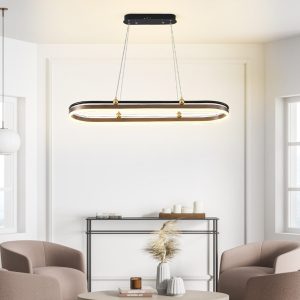
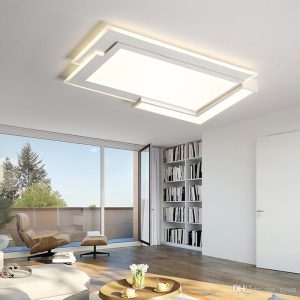



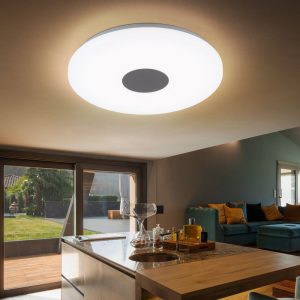

The development of Japanese ceiling lamps spans several centuries and demonstrates the progression of lighting technology and design philosophy in Japan. During the Edo period (1603-1868), Japanese lighting primarily consisted of oil lamps called “hibachi,” constructed from wood and metal with detailed craftsmanship typical of the era. The late 19th century marked a significant transition when Japan’s increased contact with Western nations introduced electric lighting technology, fundamentally altering both the practical aspects of illumination and inspiring new design approaches that combined traditional Japanese elements with contemporary materials and methods.
The mid-20th century witnessed the emergence of what became known as retro Japanese ceiling lamps Villenas, distinguished by their integration of aesthetic appeal and practical function. During this period, designers incorporated diverse materials including paper, glass, and metal to create fixtures that functioned as both lighting sources and decorative elements. Washi paper, traditionally manufactured from mulberry tree fibers, gained prominence in lamp construction due to its light-diffusing properties, which produce gentle, ambient illumination.
This era represented a pivotal moment in Japanese ceiling lamp history, establishing a distinctive design approach that merged traditional Japanese craftsmanship techniques with modern design concepts.
The Design and Construction of Retro Japanese Ceiling Lamps
Retro Japanese ceiling lamps are distinguished by their elegant simplicity and attention to detail. The design often emphasizes clean lines and organic shapes, reflecting the principles of minimalism that are deeply rooted in Japanese culture. Many retro designs incorporate natural materials such as wood and bamboo, which not only enhance the aesthetic appeal but also connect the lamp to nature—a core element of Japanese philosophy.
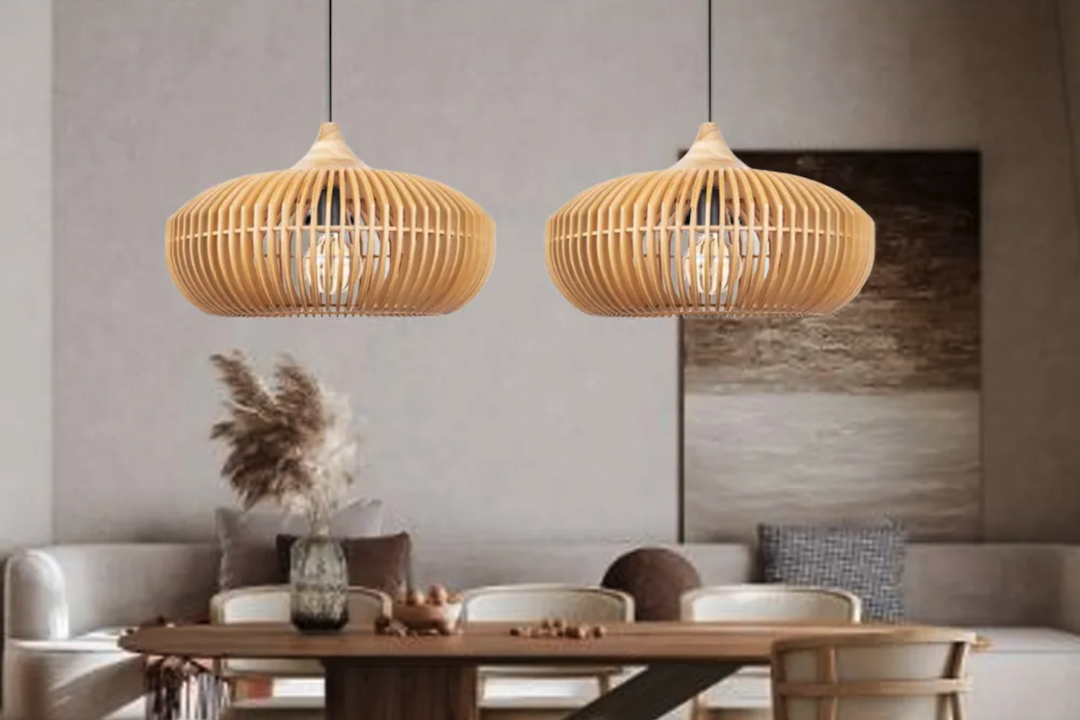
For instance, a typical retro ceiling lamp might feature a wooden frame with delicate washi paper shades, allowing light to filter through in a soft, diffused manner. Construction techniques for these lamps often involve traditional craftsmanship methods passed down through generations. Artisans meticulously handcraft each component, ensuring that every piece is unique.
The process may include intricate joinery techniques that do not rely on nails or screws, showcasing the skill and precision of the craftsman. Additionally, many retro Japanese ceiling lamps are designed to be modular, allowing for easy assembly and disassembly. This not only facilitates maintenance but also reflects a sustainable approach to design, as components can be replaced or repaired without discarding the entire fixture.
The Influence of Japanese Culture on Retro Ceiling Lamp Designs
Japanese culture has had a profound influence on the design of retro ceiling lamps, infusing them with symbolic meanings and aesthetic values that resonate deeply with users. One of the most significant cultural elements reflected in these designs is the concept of “wabi-sabi,” which celebrates imperfection and transience. This philosophy encourages an appreciation for natural materials and simple forms, leading to designs that evoke a sense of calm and tranquility.
For example, a lamp featuring an asymmetrical shape or a slightly uneven finish embodies this principle, inviting viewers to embrace the beauty of imperfection. Moreover, traditional Japanese motifs often find their way into lamp designs, drawing inspiration from nature, folklore, and historical art forms. Patterns reminiscent of cherry blossoms or waves may be incorporated into the lamp’s shade or base, creating a visual narrative that connects the piece to Japan’s rich cultural heritage.
The use of color is also significant; muted tones are favored to create a serene ambiance, while brighter hues may be used sparingly to highlight specific features. This thoughtful integration of cultural elements not only enhances the aesthetic appeal but also imbues each lamp with a story that resonates with those who appreciate its origins.
How to Incorporate Retro Japanese Ceiling Lamps into Modern Interiors
Incorporating retro Japanese ceiling lamps into modern interiors can create a striking contrast that enhances both styles. One effective approach is to use these lamps as focal points in minimalist spaces. For instance, a sleek, white-walled living room can be transformed by hanging a beautifully crafted washi paper lamp above a simple wooden dining table.
The soft glow emitted by the lamp will soften the starkness of modern design while adding an element of warmth and character. Another way to integrate retro Japanese ceiling lamps is by pairing them with contemporary furniture pieces that share similar design philosophies. For example, a lamp with clean lines and natural materials can complement mid-century modern furniture, creating a cohesive look that feels both timeless and fresh.
Additionally, layering lighting is essential in modern interiors; using retro ceiling lamps alongside recessed lighting or floor lamps can create depth and dimension within a space. This layered approach not only enhances functionality but also allows for versatility in mood and ambiance.
The Timelessness of Retro Japanese Ceiling Lamps
The timelessness of retro Japanese ceiling lamps lies in their ability to transcend fleeting design trends while remaining relevant across various interior styles. Their enduring appeal can be attributed to their fundamental design principles—simplicity, functionality, and harmony with nature. Unlike many contemporary lighting fixtures that may quickly become outdated due to changing tastes, retro Japanese lamps maintain their charm through their classic forms and materials.
Moreover, these lamps often evoke nostalgia for traditional craftsmanship in an age dominated by mass production. As consumers increasingly seek unique and meaningful pieces for their homes, retro Japanese ceiling lamps stand out as symbols of artistry and heritage. Their ability to adapt to different settings—whether in a rustic farmhouse or an urban loft—further solidifies their status as timeless design elements that continue to resonate with people across generations.
Maintenance and Care for Retro Japanese Ceiling Lamps
Maintaining retro Japanese ceiling lamps requires careful attention to preserve their beauty and functionality over time. One key aspect of care involves regular cleaning to prevent dust accumulation on both the lamp’s surface and its shade. For lamps made with washi paper or delicate materials, it is advisable to use a soft, dry cloth or a gentle brush to avoid damaging the surface.
Water or harsh cleaning agents should be avoided as they can compromise the integrity of the materials. Additionally, it is essential to check the electrical components periodically to ensure safe operation. This includes inspecting wiring for any signs of wear or damage and replacing bulbs as needed.
When replacing bulbs, it is crucial to choose options that are compatible with the lamp’s design—LED bulbs are often recommended for their energy efficiency and longevity while providing adequate illumination without generating excessive heat. By following these maintenance practices, owners can ensure that their retro Japanese ceiling lamps remain functional and visually appealing for years to come.
Where to Find Authentic Retro Japanese Ceiling Lamps
Finding authentic retro Japanese ceiling lamps can be an exciting endeavor for those interested in incorporating these unique pieces into their homes. Specialty shops that focus on Asian antiques or home decor often carry a selection of vintage lighting fixtures sourced directly from Japan. These stores may offer a range of styles, from traditional designs to more contemporary interpretations that still honor Japanese aesthetics.
Online marketplaces also provide access to authentic retro Japanese ceiling lamps. Websites such as Etsy or eBay feature listings from individual sellers who specialize in vintage items, allowing buyers to explore various options from the comfort of their homes. Additionally, auctions dedicated to Asian art and antiques can yield rare finds for collectors seeking one-of-a-kind pieces.
When purchasing online, it is essential to verify the seller’s credibility and seek out detailed descriptions and photographs to ensure authenticity.
The Popularity of Retro Japanese Ceiling Lamps in Contemporary Interior Design
In recent years, retro Japanese ceiling lamps have gained significant popularity in contemporary interior design circles. This resurgence can be attributed to a growing appreciation for artisanal craftsmanship and sustainable design practices among consumers who prioritize quality over quantity in their home decor choices. As more people seek unique pieces that tell a story, retro Japanese lamps have emerged as desirable focal points that add character and warmth to modern spaces.
Interior designers are increasingly incorporating these lamps into their projects as they recognize their versatility and ability to enhance various styles—from minimalist Scandinavian designs to eclectic bohemian aesthetics. The soft light emitted by these fixtures creates an inviting atmosphere that complements open-concept living spaces while providing functional illumination where needed. As trends continue to evolve towards embracing individuality and cultural heritage in design, retro Japanese ceiling lamps are poised to remain at the forefront of contemporary interior aesthetics for years to come.