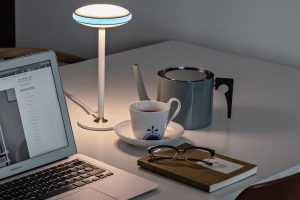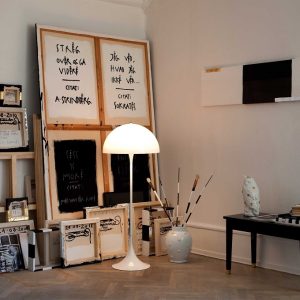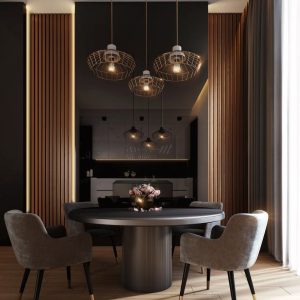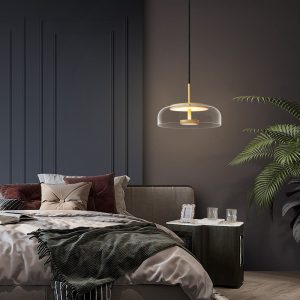
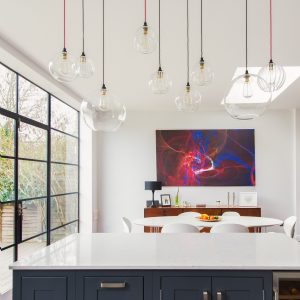
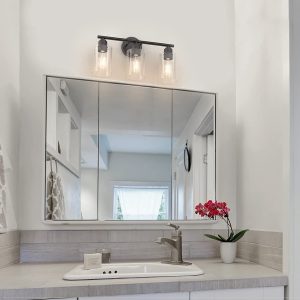
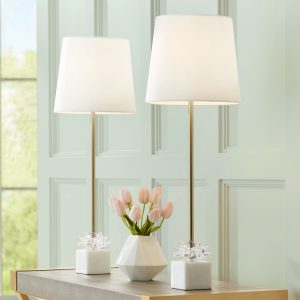


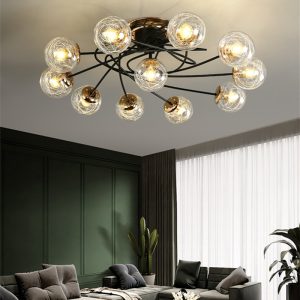
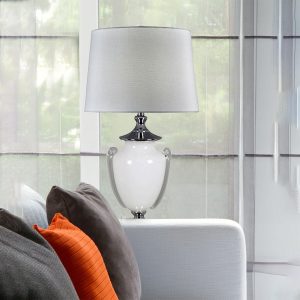
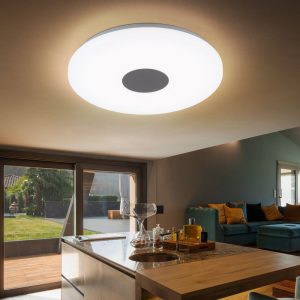

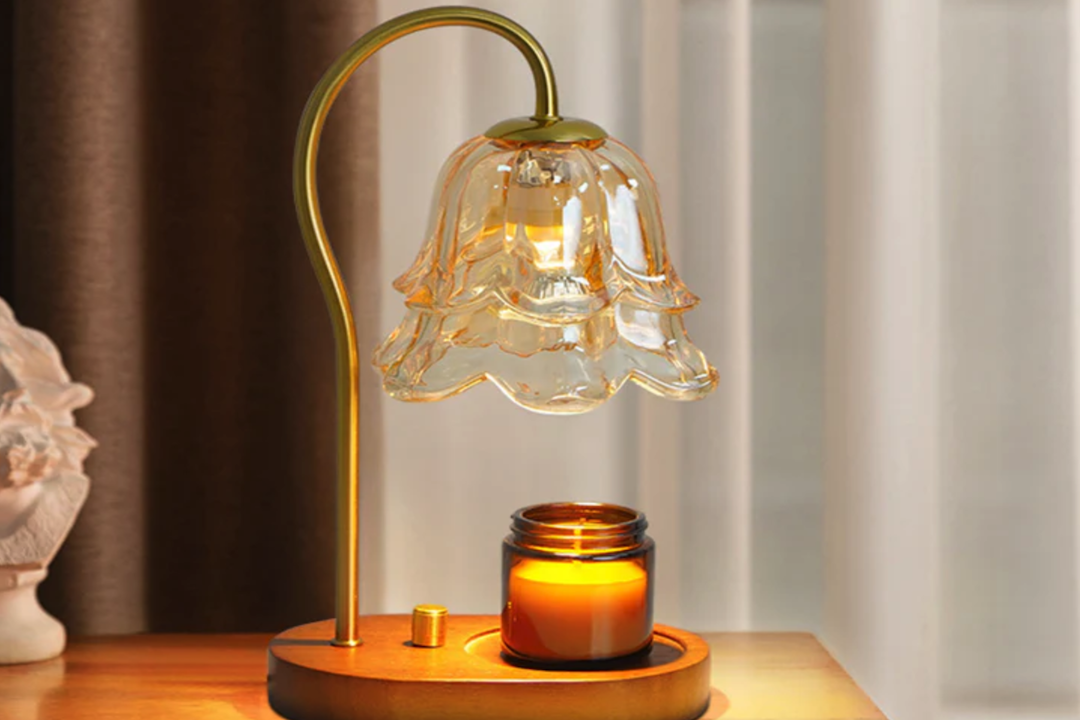
Organic hand-blown glass lighting represents a convergence of artistic craftsmanship and functional illumination. This article explores the characteristics, manufacturing processes, and applications of this specialized form of lighting, delving into its historical context and contemporary relevance.
The art of glassblowing, a fundamental component of organic hand-blown glass lighting Jopoke, dates back to ancient times. Evidence suggests its origins in the early Roman Empire, around the 1st century BCE. The technique, involving inflating molten glass with a blowpipe, allowed for the creation of intricate and varied forms previously unattainable.
Early European Glassmaking
Early European glassmaking centers, such as those in Venice (Murano) and Bohemia, refined glassblowing techniques. Artisans developed specialized tools and colorants, expanding the aesthetic possibilities of glass. While initially focused on decorative vessels and utilitarian objects, these advancements laid the groundwork for incorporating glass into lighting fixtures.
The Industrial Revolution’s Influence
The Industrial Revolution, with its emphasis on mass production, initially challenged traditional glassblowing. However, the unique qualities of hand-blown glass, including its inherent irregularities and individuality, prevented its complete obsolescence. In fact, it spurred a renewed appreciation for handcrafted items, contrasting with the uniformity of machine-made goods.
The Arts and Crafts Movement
The late 19th and early 20th centuries saw the emergence of the Arts and Crafts Movement. This movement championed traditional craftsmanship and rejected industrial replication, directly influencing the resurgence of hand-blown glass as an artistic medium. Designers and artisans began to integrate hand-blown glass into decorative and functional objects, including lighting fixtures, emphasizing natural forms and materials.
Defining “Organic” in Glass Lighting
The term “organic” in the context of hand-blown glass lighting refers to several key attributes that differentiate it from mass-produced alternatives. It encompasses both the aesthetic and the philosophical aspects of the product.
Natural Forms and Textures
Organic hand-blown glass often draws inspiration from nature. This can manifest in forms that mimic botanical structures, geological formations, or fluid movements found in water or air. The uneven surfaces, subtle undulations, and occasional air bubbles inherent in hand-blown glass contribute to a tactile and visual texture that evokes natural imperfections. Unlike machine-made glass, which aims for absolute uniformity, organic hand-blown glass embraces these variations as intrinsic to its character.
Irregularities as Design Elements
The very nature of hand-blowing ensures that no two pieces are identical. These “irregularities” – slight variations in shape, size, and thickness – are not considered flaws but rather unique design elements. They are the fingerprints of the artisan. This stands in contrast to the pursuit of precise uniformity typical of industrial manufacturing. Each luminaire effectively becomes a singular sculptural object.
The Human Touch
The term “organic” also refers to the direct involvement of the human hand in the creation process. From gathering the molten glass to shaping and finishing it, every step involves manual skill and artistic intuition. This human element imbues each piece with a unique character and a connection to its creator. It is a departure from processes where human intervention is minimized by automation.
The Hand-Blowing Process
The creation of hand-blown glass lighting is a multi-stage process requiring training, precision, and coordination. It is an intricate dance between heat, molten material, and human dexterity.
Gathering and Initial Shaping
The process begins with “gathering,” where the gaffer (master glassblower) collects a glob of molten glass, known as a “gather,” from a furnace onto the end of a blowpipe. The temperature of the glass is critical, typically exceeding 2,000°F (1,100°C). Initial shaping, or “marvering,” involves rolling the gather on a marver (a flat, polished steel or stone surface) to cool and consolidate it, and to achieve a preliminary cylindrical or spherical form.
Inflation and Shaping
Once marvered, the gaffer begins to inflate the glass by blowing air through the blowpipe. This creates an internal bubble. As the glass expands, it is continuously rotated and worked with various tools, such as jacks, blocks, and paddles, to control its shape. Heat is periodically reapplied in the glory hole (a secondary furnace) to maintain the glass’s malleability. This cyclical process of heating, blowing, and shaping continues until the desired form is achieved.
Adding Color and Surface Treatments
Color can be introduced at various stages. It can be integrated into the base glass mixture in the furnace, applied as frit (crushed colored glass) to the molten gather, or layered onto the surface during the blowing process. Surface treatments, such as etching or sandblasting, are often applied after the glass has cooled, adding textural or translucent qualities.
Annealing and Finishing
After the piece is shaped, it must undergo “annealing,” a controlled cooling process. The glass is placed in an annealing oven, or “lehr,” where its temperature is gradually reduced over a period of hours or even days. This slow cooling prevents thermal shock and internal stresses from causing the glass to crack or shatter. Once annealed, the glass is removed and undergoes finishing processes, which may include grinding, polishing edges, or attaching hardware for hanging or securing electrical components.
Aesthetic and Functional Attributes
Organic hand-blown glass lighting offers a distinct set of aesthetic and functional attributes that appeal to designers and consumers seeking unique illumination solutions.
Unique Light Diffusion
The inherent irregularities of hand-blown glass act as natural diffusers. The varying thickness and subtle undulations within the glass scatter light in a way that is softer and more nuanced than the precise diffusion offered by uniform, machine-made glass. This creates a gentle, ambient glow, reducing harshness and enhancing the atmosphere of a space. Consider it a veil, softening the light’s direct gaze.
Textural Depth and Visual Interest
The surface of organic hand-blown glass often exhibits subtle textures, from smooth and reflective to subtly rippled or bubbled. These textures create visual interest and tactile depth, even when the light is not illuminated. When lit, the light interacts with these surfaces, highlighting their nuances and casting subtle patterns. It’s a conversation between light and form.
Versatility in Design
Despite their handcrafted nature, organic hand-blown glass luminaires offer considerable versatility in design. They can be created in a vast array of shapes, sizes, and colors, from delicate pendants to substantial chandeliers. This adaptability allows them to complement diverse interior styles, from rustic and bohemian to modern and minimalist. The only constraint is the gaffer’s skill and imagination.
Durability and Longevity
When properly annealed and cared for, hand-blown glass is a durable material. Its inherent strength, coupled with its resistance to fading and degradation from UV light, ensures its longevity. While not impervious to impact, high-quality hand-blown glass luminaires are built to last, offering a sustainable lighting solution that maintains its aesthetic appeal over time.
Applications and Integration
Organic hand-blown glass lighting finds application in a variety of settings, from residential interiors to commercial establishments, and can be integrated seamlessly into different design schemes.
Residential Spaces
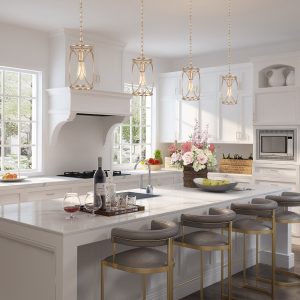
In homes, these luminaires often serve as focal points or accent lighting. A single pendant above a dining table or a cluster in a stairwell can define a space and imbue it with character. In bedrooms, softer, more diffused forms can create a tranquil atmosphere. They are frequently used in kitchens, living rooms, and entryways to provide both illumination and artistic expression. Their individuality makes them particularly suitable for homeowners seeking to personalize their living environments.
Commercial and Hospitality Environments
Hotels, restaurants, and retail spaces frequently utilize organic hand-blown glass lighting to establish a distinctive ambiance. In lobbies or dining areas, large-scale installations can create a memorable first impression. The unique aesthetic contributes to brand identity and customer experience. For instance, a restaurant might use warm-toned glass to evoke intimacy, while a gallery might opt for cooler tones to highlight artwork. They serve as sculptural elements that also fulfill a practical lighting need.
Architectural Integration
Architects and interior designers often integrate hand-blown glass lighting as an integral part of their overall scheme. The ability to customize size, shape, and color allows for harmonious integration with architectural elements, such as ceiling lines, wall textures, and spatial volumes. They can act as subtle complements or bold statements, depending on the design intention. The glass can be designed to echo patterns found elsewhere in the building, creating a cohesive visual language.
Custom Installations
A significant aspect of organic hand-blown glass lighting is the possibility of custom installations. Artists and studios frequently work with clients to create bespoke pieces tailored to specific design parameters, sizes, and aesthetic requirements. This bespoke approach allows for truly unique lighting solutions that are precisely calibrated to their intended environment. This might involve multi-component chandeliers spanning several stories or custom-designed wall sconces for a specific room.
Maintenance and Care
Like any fine art object, organic hand-blown glass lighting requires proper maintenance and care to preserve its beauty and functionality.
Regular Cleaning
Regular cleaning is essential to remove dust and maintain the clarity of the glass. For general dusting, a soft, dry microfiber cloth is usually sufficient. For more thorough cleaning, particularly if residue or grime has accumulated, a mild glass cleaner can be used. Apply the cleaner to the cloth, not directly to the glass, to avoid dripping onto electrical components or metal finishes. Ensure that the fixture is safely disconnected from power before cleaning.
Handling Precautions
Hand-blown glass, while durable, is still susceptible to breakage if dropped or subjected to strong impact. Handle luminaires with care, particularly during installation, bulb replacement, or relocation. Avoid sudden temperature changes, as thermal shock can cause cracks. When replacing bulbs, ensure the new bulb’s wattage does not exceed the fixture’s stated maximum to prevent overheating and potential damage to the integrity of the glass or electrical components.
Professional Inspection
For complex or large installations, periodic professional inspection may be advisable. This can help identify any potential structural issues, loose wiring, or accumulated wear and tear. Experts can also provide specialized cleaning for intricate designs or difficult-to-reach areas. This proactive approach helps to ensure both the longevity of the luminaire and the safety of its operation. Much like an antique, regular professional attention ensures its continued brilliance.
Longevity and Value Retention
The quality craftsmanship and unique nature of organic hand-blown glass lighting contribute to its long-term value. Unlike mass-produced items, these pieces often retain or even appreciate in value over time, becoming heirloom pieces. Proper care and maintenance are crucial for preserving this value. By treating these luminaires as investments in both aesthetic and functional quality, their lifespan can be extended for generations.
Organic hand-blown glass lighting represents more than just a light source; it is a blend of artistry, science, and historical craft. Its ability to create unique light diffusion, add textural depth, and offer versatile design options positions it as a distinctive choice in the realm of illumination. From the initial gather of molten glass to the final installation, each piece tells a story of human skill and artistic expression, casting a singular glow into the spaces it inhabits.