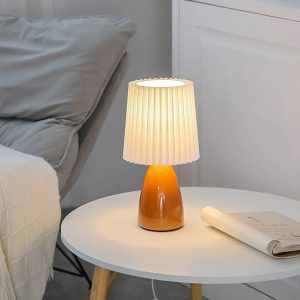


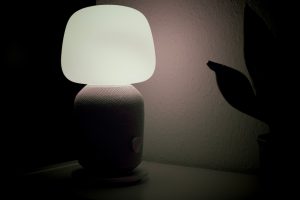








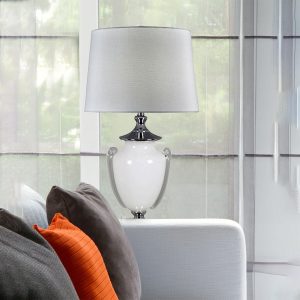

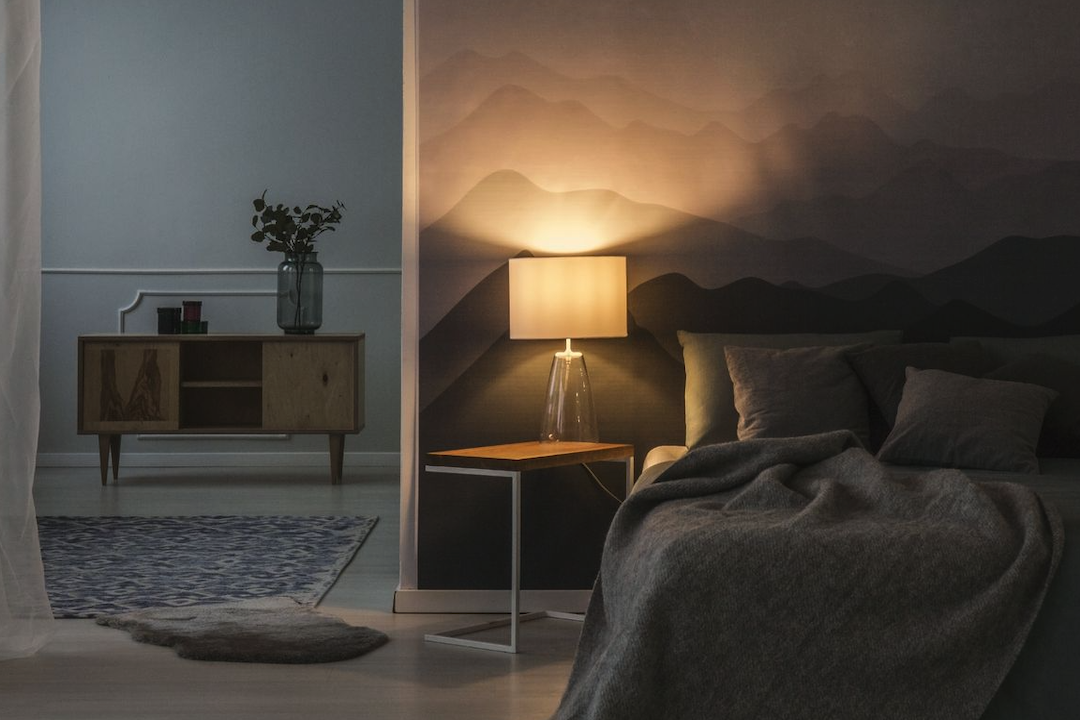
Thinking about making your bedroom a more relaxing sanctuary? You’re in luck, because a soft fabric bedside lamp is a surprisingly easy and effective way to dial up the coziness. It’s all about creating a gentle, inviting glow that unwinds your senses after a long day, and the fabric shade plays a big role in softening that light.
The Magic of Soft Light
Imagine this: You’ve finally settled into bed, eager to wind down. Instead of harsh overhead lights or that bright phone screen, a warm, diffused light Kotile bathes your bedside. That’s the magic of a fabric shade.
Why Fabric Matters
Fabric shades are fantastic at scattering and softening light. Unlike glass or metal, which can direct light in a more focused or even harsh way, fabric diffuses it. This means no more glare, just a pleasant, ambient glow. It’s like a gentle hug for your eyes.
Different Fabric Types and Their Effect
- Linen: Offers a natural, slightly textured look, providing a warm and inviting diffusion. It’s a classic for a reason.
- Cotton: Generally softer and smoother than linen, cotton shades can create a very subtle, diffused light. They can also be quite opaque, further softening the beam.
- Silk or Silk Blends: These can offer a more luxurious feel and a very delicate diffusion. They often have a slight sheen that adds to the overall ambiance.
- Paper or Rice Paper: While not technically “fabric,” these materials are often grouped with fabric shades for their similar light-diffusing qualities. They produce a very soft, almost ethereal light.
Choosing the Right Fabric Bedside Lamp for Your Space
It’s not just about the material, though. The size, shape, and how it complements your existing decor are also important.
Size and Scale
A lamp that’s too big can feel overwhelming on a small nightstand, and one that’s too small might get lost.
Finding the Balance
- Consider your nightstand size: Measure your nightstand and imagine the lamp’s footprint. You want it to fit comfortably with room for your book, a glass of water, or maybe a small plant.
- Think about your bed height: The top of the lampshade should ideally be around or slightly below eye level when you’re sitting up in bed. This prevents direct glare.
- Proportion is key: A grander headboard might handle a slightly larger lamp, while a minimalist setup might benefit from something more delicate.
Shape and Style
The silhouette of your lamp can dramatically impact the room’s feel.
Beyond the Basic Drum
- Drum shades: These are the ubiquitous cylinders, offering a clean, modern look and consistent light distribution. They work in almost any setting.
- Bell shades: With their wider base and tapered top, bell shades can direct light downwards more effectively, making them great for reading. They often have a more traditional feel.
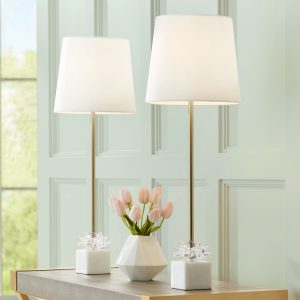
- Empire shades: Wider at the bottom than the top, these also lean traditional and can cast a lovely spread of light.
- Square or rectangular shades: These add a more geometric or contemporary edge. They can be a nice contrast to softer curves in your furniture.
Color Considerations
The color of the shade isn’t just about aesthetics; it influences the light it emits.
White, Cream, and Beyond
- Off-white and cream: These are your go-to for warmth. They absorb a little less light than pure white, resulting in a warmer, cozier hue.
- Neutral tones (beige, taupe): Similar to cream, these will lend a gentle warmth and blend seamlessly with various color palettes.
- Subtle pastels: A very light blush pink or a soft sage green can add a hint of color while still allowing for significant light diffusion. The color will tint the light slightly, creating a unique mood.
- Darker colors: While they can be stylish, darker shades will absorb more light. This might be desirable if you’re looking for very dim, atmospheric lighting, but less so if you need adequate light for reading.
Beyond the Shade: The Bulb Makes a Difference Too
Even with the perfect fabric shade, the bulb you choose is crucial for achieving that cozy ambiance.
Lumens vs. Watts: Understanding Brightness
Forget watts; lumens are what tell you how bright a bulb is. You want a lower lumen count for a cozy feel.
Finding Your Sweet Spot
- Aim for 250-500 lumens: This range typically provides enough light for general ambiance and some softer reading without being harsh.
- Avoid anything over 800 lumens: That’s getting into task lighting territory and will likely overpower your cozy vibe.
Color Temperature: The Warmth Factor
This is where the magic truly happens for coziness. Color temperature is measured in Kelvin (K).
Decoding Kelvin for Cozy Vibes
- Warm White (2700K – 3000K): This is your ideal range for a cozy, inviting atmosphere. It’s reminiscent of candlelight or the glow of a traditional incandescent bulb. The lower the number within this range, the warmer the light.
- Neutral White (3500K – 4100K): This is a bit brighter and bluer than warm white. It’s good for general lighting but might feel too crisp for a purely cozy bedside scene.
- Cool White/Daylight (5000K+): These mimic natural daylight and are excellent for task lighting or waking up, but they’ll kill the cozy vibe instantly. Stick to the warm whites for winding down.
Bulb Type Matters
LEDs are the most efficient and versatile option today.
LED Advantages
- Energy Efficiency: They use a fraction of the energy of old incandescent bulbs.
- Long Lifespan: You won’t be changing these bulbs often.
- Dimming Capabilities: Crucially, many LED bulbs are dimmable, allowing you to fine-tune the brightness. Look for “dimmable” on the packaging.
- Variety of Color Temperatures: You can find LEDs specifically designed to emit that sought-after warm white glow.
Practical Tips for Perfecting the Ambiance
It’s not just about the lamp itself, but how you use it.
Placement is Powerful
Where you position your lamp can significantly impact the mood.
Strategic Spotting
- On the nightstand: The classic spot offers easy access. Position it to cast light where you need it most – for reading or just general illumination.
- Behind or beside the bed: Sometimes, placing a lamp slightly out of direct view, perhaps behind a tall headboard or on a dresser on the opposite side of the room, can create a more diffused, indirect light that feels even more serene.
- Floor lamp nearby: If you have a larger bedroom or want more layered lighting, a slim fabric floor lamp placed in a corner can further enhance the cozy atmosphere.
Layering Your Light
A single bedside lamp is a great start, but combining it with other soft light sources elevates the experience.
Building a Cozy Glow
- Fairy lights/string lights: Draped over a headboard or along a shelf, these add a touch of whimsical charm and a very soft sparkle.
- Candles (real or LED): A few strategically placed candles (real ones with caution, or realistic LED alternatives) can add warmth and a flickering ambiance.
- Dimmed overhead lighting: If you have a dimmer switch for your main overhead light, use it sparingly on its lowest setting to create a soft backdrop for your bedside lamp.
Smart Controls and Dimmers
Technology can be your friend when it comes to effortless coziness.
Tech for Tranquility
- Dimmer switches: The ultimate tool for controlling light intensity. Many lamps come with built-in dimmers, or you can switch out your wall switch for a dimmable one.
- Smart bulbs and plugs: These allow you to control your lamp via an app or voice assistant. You can set schedules, adjust brightness, and even change color temperature (on some smart bulbs) without leaving your bed. Imagine winding down and saying, “Hey Google, dim the bedside lamp to 30%.” Pure bliss.
Troubleshooting Common Cozy Lamp Issues
Sometimes, even with the best intentions, you might run into a few snags.
Is the Light Too Bright?
Even with a fabric shade and a low-lumen bulb, sometimes it’s still a bit much.
Fine-Tuning the Brightness
- Swap the bulb: Your first line of defense is a bulb with an even lower lumen count or a warmer Kelvin rating.
- Use a dimmer: If your lamp or switch is dimmable, simply turn it down further.
- Diffuser material: Sometimes, you can place a thin layer of frosted film or a sheer fabric over the inside of the shade for extra diffusion (be cautious with heat from older bulbs, but less of a concern with LEDs). Experiment carefully to avoid discoloration or fire hazards.
- Positioning: Move the lamp further away from your direct line of sight if possible.
Is the Light Too Dim?
On the flip side, you might want a touch more light for reading.
Boosting the Glow (Gently)
- Swap the bulb: Try a bulb with a slightly higher lumen count (staying within the warm white range).
- Check the shade color: A lighter-colored shade will emit more light than a darker one.
- Ensure the shade is clean: Dust can accumulate and subtly dim the light.
- Consider a second, very subtle light source: A small, dimmable string of lights could add just enough extra glow without disrupting the ambiance.
Lamp Feels Out of Place
When a lamp just doesn’t “fit” aesthetically.
Style Savvy Solutions
- Consider the base material: Metal bases can feel modern or industrial, while wood or ceramic can lean more natural or classic. Choose one that complements your furniture.
- Shade shape matters: As discussed earlier, different shapes evoke different styles.
- Adjustability: Some lamps have flexible arms or goosenecks, allowing you to direct the light more precisely. This can be helpful if the current placement isn’t ideal.
- Think of it as an accent: Even if it doesn’t perfectly match, a well-chosen bedside lamp can act as a stylish accent piece, drawing the eye and adding personality.
By considering these elements, you can transform your bedside into a haven of relaxation, all thanks to the simple yet powerful addition of a soft fabric lamp. It’s a small change with a big impact on your nightly unwinding routine.