



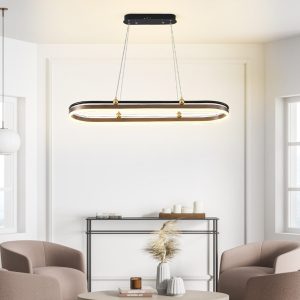
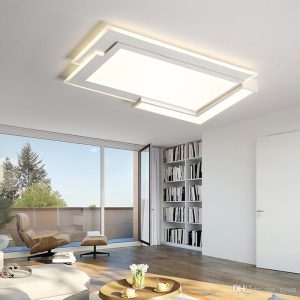
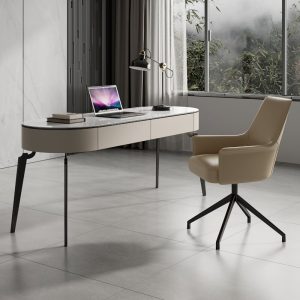





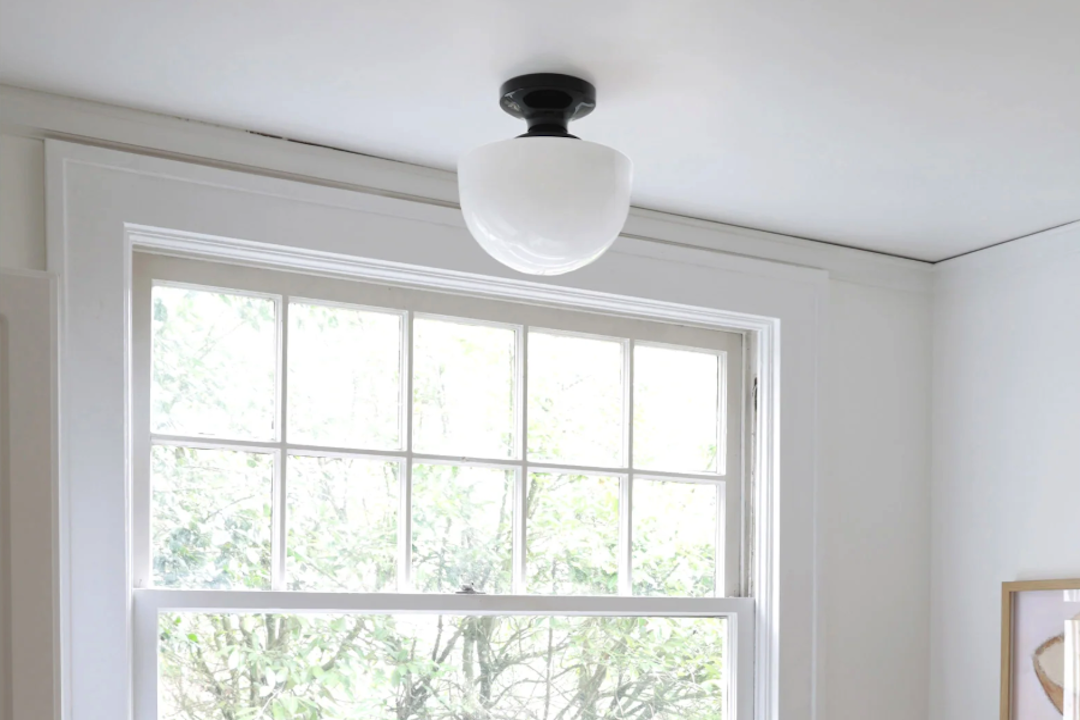
Thinking about a minimalist interior and wondering if a matte ceramic ceiling light with a soft white glow fits the bill? The short answer is yes, absolutely. These lights are a strong contender for minimalist spaces because they prioritize function, subtle aesthetics, and a calming atmosphere, all without demanding too much attention. They blend in rather than stand out, providing essential illumination while contributing to the overall understated design.
Minimalism is all about less is more, focusing on essential elements, clean lines, and a lack of visual clutter. Matte ceramic seamlessly integrates with these principles.
Visual Simplicity
Matte ceramic doesn’t reflect light Simiglighting in a harsh way. Instead, it absorbs some of it, creating a soft, diffused surface. This lack of shine or sparkle means the fixture itself doesn’t become a prominent focal point. It recedes into the background, allowing other elements, like furniture or artwork, to take precedence IF they are meant to. In a true minimalist space, the light might simply be a functional, quiet component.
Tactile Quality
Even though you’re not usually touching a ceiling light, the perceived texture of matte ceramic contributes to its appeal. It feels grounded and natural. This tactile quality, even just visually, adds a layer of sophistication without being ostentatious. It’s a subtle richness that enhances the overall experience of the space.
Neutral Color Palette
Most matte ceramic fixtures come in neutral tones—white, off-white, light gray, or even a very subdued black. These colors are inherently versatile and align perfectly with the minimalist preference for a muted color scheme. They don’t introduce jarring contrasts, instead supporting a cohesive and serene environment.
The Power of the Soft White Glow
The light output is just as important as the fixture itself for achieving a minimalist aesthetic. A soft white glow is a strategic choice.
Ambiance and Mood
Harsh, bright light can feel clinical and unwelcoming. A soft white glow, typically in the warm white (2700K-3000K) or neutral white (3500K-4000K) range, creates a more inviting and relaxed atmosphere. This isn’t about dimness but about the quality of the light—it’s gentle on the eyes and promotes a sense of calm. This aligns with the minimalist goal of creating tranquil and functional living spaces.
Eliminating Glare
Reflected glare can be distracting and visually disruptive. A soft white glow, especially when diffused by the ceramic material, minimizes glare. This means you get effective illumination without harsh spots or uncomfortable brilliance, leading to a more comfortable and visually harmonious room.
Supporting a Clean Aesthetic
A soft white light doesn’t cast strong, sharp shadows that can break up clean lines or introduce visual noise. Instead, it creates a more even wash of light, enhancing the perception of spaciousness and order. This contributes to the overall clean and uncluttered feel that defines minimalist interiors.
Placement and Integration in Minimalist Spaces
Choosing the right light is one thing; placing it correctly is another. Strategic placement ensures the fixture enhances rather than detracts from the minimalist design.
Centralized Illumination
For smaller rooms or those with a singular functional zone, a single, centrally placed matte ceramic ceiling light can provide adequate ambient illumination. This maintains visual simplicity by avoiding multiple light sources and keeps the ceiling plane uncluttered. The focus remains on the openness of the space.
Task-Oriented Grouping
Sometimes, a single overhead light isn’t enough for larger rooms or specific task areas. In a minimalist context, you might use a pair or trio of identical matte ceramic ceiling lights, perhaps smaller in scale, to delineate zones. For instance, two over a dining table or three evenly spaced in a long hallway. The repetition of simple forms reinforces the minimalist aesthetic without adding complexity.
Complementing Existing Features
Consider how the ceiling light interacts with other elements. If you have clean architectural features, the light should subtly highlight them without overshadowing. The light it emits should fall gracefully, revealing textures and forms without drawing immediate attention to itself. The goal is seamless integration, not competitive prominence.
Practical Considerations Beyond Aesthetics
While aesthetics are important for minimalism, practical aspects like maintenance, energy consumption, and durability are equally relevant.
Ease of Cleaning
Matte ceramic surfaces are generally easy to clean. Dust and occasional smudges can typically be wiped away with a soft, damp cloth. The absence of intricate details or highly reflective surfaces means fewer nooks and crannies for dust to accumulate, making upkeep straightforward. This practical simplicity aligns with the minimalist desire for low-maintenance living.
Energy Efficiency
Modern ceiling lights, especially those designed with minimalist principles in mind, often incorporate LED technology. LEDs are highly energy-efficient, consuming far less power and lasting significantly longer than traditional incandescent bulbs. This reduces your carbon footprint and energy bills, which aligns with responsible, mindful living often associated with minimalism. When selecting a fixture, confirm it’s compatible with or includes integrated LED modules.
Durability and Longevity
Ceramic is a robust material. It resists scratches and dents better than many other materials, meaning your ceiling light will maintain its appearance over time. This durability contributes to the minimalist ethos of choosing quality items that last, reducing the need for frequent replacements and minimizing waste.
Avoiding Common Pitfalls
Even with a strong design concept, it’s easy to make choices that undermine the minimalist intent.
Over-accessorizing
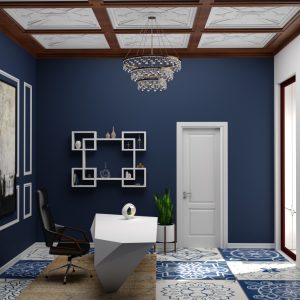
The biggest mistake is adding too many other decorative elements. A matte ceramic ceiling light is designed to be understated. If you pair it with elaborate chandeliers, highly patterned wallpaper, or a multitude of decorative objects, its minimalist effect will be lost. The light will struggle to maintain its humble presence amidst visual competition.
Inconsistent Lighting Temperatures
Mixing vastly different light temperatures (e.g., a warm white ceiling light with cool white task lighting) can create a disjointed and uncomfortable atmosphere. For a cohesive minimalist space, aim for consistency in your light output. Stick to warm white or neutral white throughout your space to maintain that calming, unified glow.
Ignoring Scale
A large light fixture in a small room will feel overwhelming, even if it’s minimalist in design. Conversely, a tiny light in a vast room will look lost and ineffective. Pay attention to the proportions of your room and select a fixture that feels balanced and appropriate. The light should fill its purpose without dominating the ceiling visually.
Neglecting Dimming Capabilities
While a soft white glow is desirable, being able to adjust its intensity can further enhance your space. Installing a dimmer switch allows you to fine-tune the light level for different times of day or activities. This adds another layer of functionality and control, aligning with the thoughtful design choices of minimalist interiors.