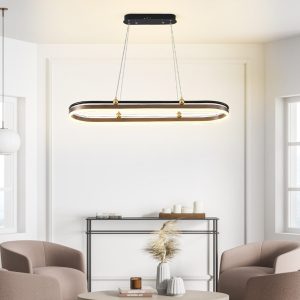
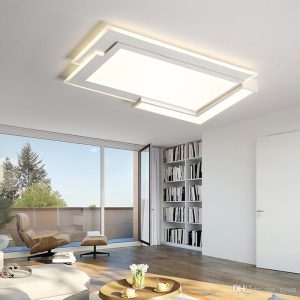
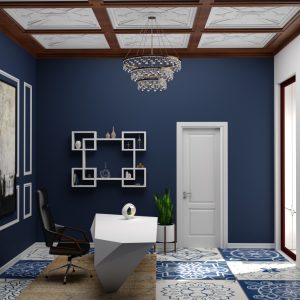


The emergence of the Art Deco Scalloped Glass Ceiling Fixture is rooted in the broader Art Deco movement, a style that swept across the Western world in the 1920s and 1930s. This period, often referred to as the “Roaring Twenties,” was characterized by rapid industrialization, social change, and a departure from the elaborate ornamentation of the Art Nouveau period. Art Deco, in contrast, embraced sleek lines, geometric patterns, and a sense of sophisticated modernity. It was an aesthetic response to the burgeoning machine age, celebrating technology and streamlined forms while retaining a sense of luxury and opulence.
The Art Deco Movement
Art Deco drew inspiration from a diverse range of sources, including ancient Egyptian and Mayan art, Cubism, Fauvism, and the Ballet Russes. Its core principles revolved around symmetry, repetition, and a rejection of traditional, organic forms. The movement heavily utilized new materials such as chrome, stainless steel, and Bakelite, alongside traditional ones like polished wood, lacquer, and, significantly, glass. This embrace of both modern industrial materials and traditional craftsmanship allowed Art Deco to achieve a unique balance between innovation and timeless appeal.
Architectural and Interior Design Influence
Art Deco permeated all aspects of design, from skyscrapers and ocean liners to furniture and fashion. In interior design, the style emphasized clean, uncluttered spaces with bold accents. Lighting fixtures, therefore, played a crucial role in defining the overall aesthetic of a room. No longer merely functional, lighting became an integral decorative element, contributing to the geometric harmony and luxurious ambiance that characterized Art Deco interiors. The scalloped glass ceiling fixture, with its distinctive form and diffused light Lumesdesign, became a quintessential expression of this design philosophy.
Design Characteristics
The Art Deco Scalloped Glass Ceiling Fixture is immediately recognizable by its distinctive aesthetic, a direct reflection of the period’s prevailing design tenets. Its visual language speaks of precision, geometry, and a subtle yet undeniable opulence. Understanding these characteristics allows for a deeper appreciation of its enduring appeal.
Geometric Forms and Symmetrical Arrangement
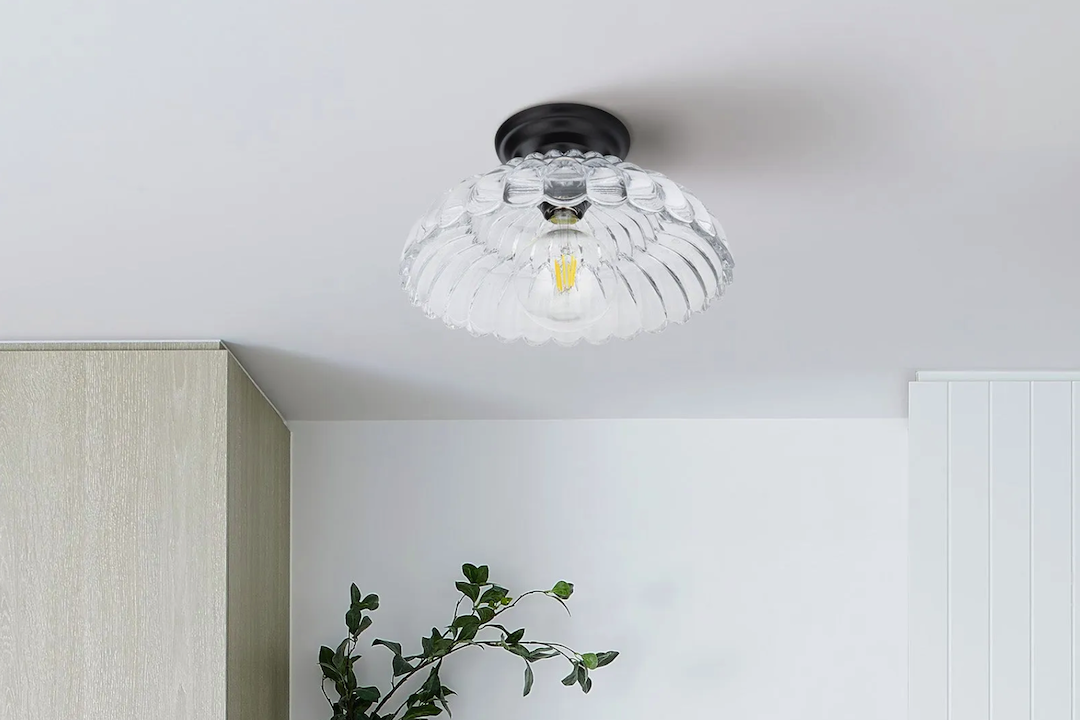
At the heart of the scalloped fixture’s design lies a commitment to geometric principles. The “scallop” itself, while appearing organic, is typically a series of repeating, often perfectly semicircular or quarter-circular, forms. These individual glass elements are almost invariably arranged in a symmetrical pattern, radiating outwards from a central point or forming a cohesive, repeating border. This adherence to symmetry creates a sense of order and balance, a hallmark of Art Deco. The overall silhouette is often circular, octagonal, or a soft square, reinforcing the geometric foundation. Imagine an astronomer’s chart, where every celestial body holds its precise, predetermined place – this is the visual discipline at play.
Use of Glass and its Properties
Glass is the primary material component of these fixtures, and its selection is deliberate. Art Deco celebrated the aesthetic potential of glass, particularly when combined with artificial illumination.
Type of Glass
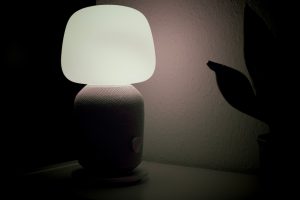
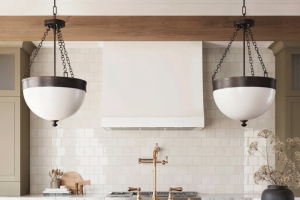
Opaline glass, characterized by its milky, translucent quality, is frequently employed. This type of glass diffuses light evenly, softening harsh glare and creating a warm, inviting glow. Other variations include frosted glass, which offers a similar light-diffusing effect, and occasionally clear or lightly tinted glass, used for accentuation or to allow for more direct light where desired. The choice of opaline glass, specifically, imbues the fixture with a soft, ethereal quality, akin to moonlight captured and tamed.
Scalloped Edge Detail
The scalloping is not merely a decorative flourish; it serves a functional purpose in light distribution and contributes significantly to the fixture’s visual interest. The curved edges refract and reflect light in subtle ways, creating a play of light and shadow that adds depth and dimension. This detail transforms a flat surface into a dynamic, textured element. Consider the gentle ripple a stone creates in a still pond; the scalloped edge similarly breaks up the light, spreading its influence with quiet grace.
Metalwork and Mountings
The metal components that support and frame the glass are integral to the fixture’s overall design. Chrome, polished nickel, brass, and occasionally bronze were popular choices during the Art Deco era.
Material and Finish
Chrome and polished nickel provided a sleek, modern, and often industrial aesthetic, reflecting the era’s fascination with new technologies. Brass and bronze, while more traditional, were often highly polished or patinated to achieve a sophisticated, luxurious finish. These metals were not merely structural but decorative, their reflective surfaces complementing the glow of the glass. The gleam of the metal, like a meticulously polished tuxedo button, adds a touch of understated brilliance.
Decorative Elements
While Art Deco championed clean lines, subtle decorative motifs were often incorporated into the metalwork. These might include geometric patterns, stepped designs, reeding, or stylized floral or faunal elements, always rendered in a simplified, abstract manner. These details were never overwrought but served to enhance the fixture’s inherent elegance. Think of a perfectly cut gemstone—its inherent beauty is enhanced by the judicious application of a refined setting, not overshadowed by it.
Function and Illumination
Beyond their aesthetic appeal, Art Deco Scalloped Glass Ceiling Fixtures offer specific functional benefits, primarily centered around the quality and distribution of light. Their design principles dictate an illumination method that is both effective and atmospheric, transforming rather than merely brightening a space.
Diffused Light Quality
One of the primary functional characteristics of these fixtures is their ability to produce diffused light. The opaline or frosted glass elements act as natural diffusers, breaking up direct light rays and scattering them evenly across a room. This process mitigates harsh shadows and glare, creating a soft, ambient glow. Imagine the difference between direct sunlight on a clear day and the gentle, even light of an overcast sky; the scalloped fixture embodies the latter. This quality makes them ideal for spaces where a restful and comfortable atmosphere is desired, rather than intense task lighting.
Reduction of Glare
The diffusion characteristic directly contributes to glare reduction. By scattering the light source, the fixture prevents the creation of bright spots that can be uncomfortable or fatiguing to the eyes. This is particularly important in living areas, dining rooms, and bedrooms, where prolonged visual comfort is paramount. The scollops themselves, through their curved surfaces, further contribute to this by subtly redirecting and softening light.
Even Light Distribution
The symmetrical arrangement and often shallow depth of the scalloped glass elements ensure that light is distributed broadly and evenly throughout the immediate vicinity of the fixture. This minimizes “hot spots” of light directly beneath the fixture and prevents dark corners in its periphery, leading to a more balanced illumination of the space. Consider an artist’s carefully blended gradient, where one tone flows imperceptibly into another; the fixture achieves a similar visual harmony with light.
Ambiance Creation
The quality of light emitted by these fixtures is inherently atmospheric, making them powerful tools for setting a particular mood within a room.
Warm and Inviting Glow
The combination of the glass type (often opaline) and the gentle diffusion results in a warm, inviting glow. This light quality contributes to a sense of comfort and intimacy, making a space feel more welcoming and less sterile. It’s the visual equivalent of a gentle embrace, inviting occupants to relax and unwind. This ambiance is consistent with the Art Deco ideal of creating luxurious yet comfortable personal spaces.
Enhancing Architectural Features
Because the light is diffused, it interacts with architectural details and surface textures in a complementary way. Instead of washing out details with harsh light, the soft glow enhances their contours and forms, adding depth and interest to plasterwork, cornices, or patterned wallpapers. The fixture doesn’t demand attention for itself alone but acts as an orchestrator, bringing out the best in its surroundings. The light becomes a subtle sculptor, highlighting the subtle nuances of the room’s design elements.
Placement and Application
The versatility and distinct aesthetic of the Art Deco Scalloped Glass Ceiling Fixture allow for its effective application in a variety of settings. Its presence can elevate the design of a space, whether historically preserved or contemporary.
Ideal Room Settings
These fixtures are particularly well-suited for rooms that benefit from ambient, diffused lighting and a touch of vintage elegance.
Living Rooms and Dining Rooms
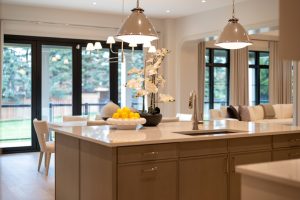
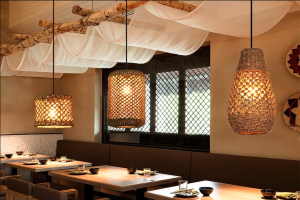
In living rooms, the fixture provides a central source of soft, inviting light that is conducive to relaxation and conversation. Its aesthetic complements period furniture or adds a sophisticated counterpoint to more contemporary decor. In dining rooms, the diffused light creates an intimate atmosphere for meals, without creating harsh glares on tableware or food. It serves as a visual centerpiece even when unlit, its form and material speaking to a sense of curated taste. Imagine the fixture as a silent conductor, setting the tone for social gatherings, guiding conversation with its gentle luminance.
Hallways and Entryways
For hallways and entryways, the scalloped fixture transforms what might otherwise be utilitarian spaces into areas of visual interest. The ambient light brightens these transitional zones without being overwhelming, and the fixture itself acts as an introductory statement, hinting at the design sensibilities within the rest of the dwelling. It’s the first elegant chord in a grand symphony, setting the expectation for what is to follow.
Bedrooms and Studies
In bedrooms, the soft light is ideal for creating a calm and restful environment, suitable for unwinding. In a study or home office, while not providing direct task lighting, it offers a comfortable ambient layer that reduces eye strain and contributes to a pleasant working atmosphere. The light becomes a quiet companion, fostering an environment of concentration or repose.
Integration with Interior Design Styles
While undeniably Art Deco in origin, the scalloped glass ceiling fixture demonstrates remarkable adaptability, making it a valuable addition to various interior design palettes.
Period-Appropriate Interiors
Naturally, within a fully realized Art Deco interior, the fixture finds its most harmonious home. Paired with geometric patterns, luxurious materials like exotic wood veneers and polished metals, and streamlined furniture, it completes the authentic period look. It acts as an anchor, solidifying the historical narrative of the space. This is akin to a historical document finding its rightful place in an archive—it belongs and reinforces the context around it.
Eclectic and Transitional Spaces
In more eclectic or transitional spaces, the fixture can serve as a focal point, providing a touch of vintage glamour without dominating the overall aesthetic. It can create an intriguing contrast with modern furnishings, adding warmth and historical depth to a contemporary setting. Consider a carefully chosen antique piece in a minimalist room; the fixture plays a similar role, offering a whisper of the past to a present-day conversation. Its clean lines and sophisticated form often prevent it from clashing with diverse elements.
Modern and Minimalist Contexts
Surprisingly, the Art Deco scalloped fixture can also be successfully integrated into modern and minimalist interiors. Its inherent geometric purity and often monochromatic palette (especially with opaline glass and chrome fittings) align with the principles of simplicity and clean design. In such settings, it acts as a subtle art piece, providing visual interest and a soft light without introducing excessive ornamentation. It’s like a perfectly sculpted form amidst a quiet landscape, providing a point of measured beauty without overwhelming the minimalist ethos.
Maintenance and Preservation
The longevity and continued aesthetic appeal of an Art Deco Scalloped Glass Ceiling Fixture are contingent upon proper care and maintenance. As these fixtures often possess inherent historical value, understanding their preservation requirements is crucial for both functionality and investment protection.
Cleaning Procedures
Regular cleaning is essential to maintain the fixture’s brilliance and ensure optimal light output. Dust and grime can accumulate on both the glass and metal components, dulling their appearance and obstructing light.
Glass Components
For the glass elements, gentle cleaning is paramount to avoid scratches or damage. Begin by disconnecting the power to the fixture at the circuit breaker for safety. It is often advisable to carefully remove the glass panels or shades, if designed for removal, to clean them more thoroughly.
Use a soft, lint-free cloth dampened with a mild glass cleaner (ammonia-free is preferable to prevent damage to delicate finishes or patinas on surrounding metal). Distilled water with a small amount of white vinegar can also be an effective and gentle solution. Avoid abrasive cleaners or harsh chemicals, which can etch the glass or strip any special coatings. For stubborn grime, a gentle dish soap diluted in warm water can be used, ensuring thorough rinsing to prevent streaking. Allow the glass to air dry or gently wipe with a clean, dry microfiber cloth. Consider the glass as a delicate lens; any smudges or scratches will diminish its ability to transmit light with clarity and grace.
Metalwork
The metal components require different care depending on their finish. For polished chrome or nickel, a soft cloth dampened with water and a tiny amount of mild soap, followed by a dry buff, usually suffices to remove fingerprints and dust. Avoid abrasive cleaners that can scratch the finish. For brass or bronze, particularly if they have a natural patina that you wish to preserve, simply dust with a dry, soft cloth. If a polished look is desired, use a brass or metal polish specifically designed for the type of metal, following the manufacturer’s instructions carefully. Always test any cleaning solution on an inconspicuous area first. The metalwork acts as the frame for a precious painting; its cleanliness and integrity are vital to the overall presentation.
Restoration Considerations
Over time, particularly for antique or vintage fixtures, more extensive restoration efforts may be necessary beyond routine cleaning. This can involve repairing damage, re-wiring, or addressing significant wear.
Addressing Wear and Damage
Common issues include chipped or cracked glass, corroded metalwork, or degraded electrical components. Small chips in glass may sometimes be professionally repaired, though significant cracks usually necessitate replacement. Sourcing matching vintage glass can be challenging and expensive. Corroded metalwork can often be carefully cleaned and re-polished or re-plated by a specialist. However, overly aggressive restoration can diminish a fixture’s historical value, so a conservative approach is often recommended. Think of restoration as skilled surgery, aiming to heal and mend without erasing the natural marks of time entirely.
Electrical Re-wiring
For any vintage fixture, it is crucial to have the electrical components inspected and, if necessary, re-wired by a qualified electrician. Original wiring may be degraded, brittle, or not meet modern safety standards, posing a fire hazard. Replacement of sockets, wires, and insulation ensures safe operation and compliance with contemporary building codes. This is a non-negotiable step for safety, ensuring the fixture functions not only beautifully but also without risk. The internal workings, though hidden, are the vital organs that allow its light to shine forth safely.
Value and Collectibility
Art Deco Scalloped Glass Ceiling Fixtures vary considerably in value based on several factors, making their collectibility a nuanced aspect.
Authenticity and Provenance
Authenticity is paramount. Original fixtures from the 1920s and 1930s hold significantly more value than modern reproductions. Verifiable provenance—a documented history of ownership or origin—can further enhance value, especially for pieces from notable designers or buildings. A piece with a clear lineage is like a story passed down through generations; its history enriches its present value.
Condition and Rarity
The condition of the fixture plays a major role. Pieces with original, undamaged glass and minimal wear to the metalwork command higher prices. Complete fixtures are more desirable than those missing parts. Rarity, stemming from limited production runs or unique designs, also contributes to higher market value. A pristine, rare specimen is a jewel among stones, reflecting excellent stewardship and intrinsic scarcity.
Designer and Manufacturer
Fixtures attributed to renowned Art Deco designers or manufacturers (e.g., Schneider, Daum, Muller Frères for glass elements; or specific lighting companies of the era) are highly sought after by collectors. Their association with established names often guarantees superior craftsmanship and innovative design. The name on the design, much like an artist’s signature on a canvas, adds an intangible layer of artistic merit and historical significance to the object.