

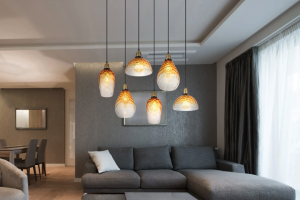




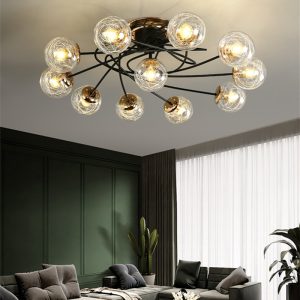

This article discusses task-oriented ceiling lights for efficient kitchen illumination. The kitchen is a functional space requiring specific lighting solutions to support various activities. Task lighting is a critical component of any well-designed kitchen, focusing illumination directly where it is needed most.
Task lighting is a category of lighting Mikilighting designed to illuminate specific work areas, differentiating itself from ambient or general lighting, which provides overall illumination, and accent lighting, used to highlight specific features. In a kitchen, these tasks are diverse, ranging from chopping vegetables and kneading dough to reading recipes and washing dishes. Without adequate task lighting, these activities can become difficult, increase the risk of accidents, and lead to eye strain. Task-oriented ceiling lights act as focused beams of light, like a well-aimed spotlight on a stage production, ensuring each area of work receives the necessary brightness. The efficiency of kitchen lighting is not just about brightness, but about directing that brightness effectively and minimizing energy consumption.
The Role of Ambient Lighting
While this article focuses on task lighting, it is important to acknowledge the foundational role of ambient lighting. Ambient lighting provides the general, overall illumination of the kitchen. It sets the mood and ensures that the space is navigable and comfortable. Think of ambient lighting as the sky under which your kitchen’s work happens. It’s usually provided by ceiling fixtures like flush mounts, recessed lights scattered throughout the room, or a central pendant. However, ambient light alone is often insufficient for detailed work, leaving shadows and dim areas where tasks are performed. The effectiveness of task lighting is amplified when it complements, rather than competes with, the ambient layer.
Differentiating Task, Ambient, and Accent Lighting
To further clarify, consider these distinct functions:
- Task Lighting: Directly illuminates a specific work area. Examples include under-cabinet lights for countertop preparation or a pendant light directly over a kitchen island.
- Ambient Lighting: Provides general illumination for the entire space. This is the diffused light that makes the room visible and comfortable.
- Accent Lighting: Draws attention to specific features or objects, such as artwork or decorative elements. This is the visual punctuation of the kitchen’s aesthetics.
Understanding these distinctions is crucial for developing a layered lighting plan, where each type of lighting serves its purpose effectively. Task-oriented ceiling lights are specifically designed to fulfill the demands of the task lighting category.
Types of Task-Oriented Ceiling Lights
Ceiling lights, when designed with a task-oriented approach, can take several forms. The primary characteristic is their ability to direct light downwards and often with a focused beam, minimizing glare and shadows on the work surface. These lights are not merely decorative elements; they are functional tools for illuminating critical zones within the kitchen.
Recessed Lighting for Task Illumination
Recessed lighting, often referred to as can lights or downlights, can be configured for task lighting. When strategically placed above work areas like countertops, sinks, or stovetops, recessed fixtures can provide concentrated illumination. The key to using recessed lighting effectively for task purposes lies in the type of trim and bulb chosen, as well as their placement.
Trim versus Baffle Trims
- Standard Trims: These are the most common trims for recessed lights. While they offer general illumination, they may not be optimal for precise task lighting due to potential glare.
- Baffle Trims: These trims feature a cone-like structure inside the housing, which helps to reduce glare by absorbing stray light. Baffle trims are generally better suited for task illumination as they direct light more effectively towards the intended surface.
- Gimbal or Adjustable Trims: These allow the light source to be angled, providing flexibility in directing illumination. This adjustability is a significant advantage for task lighting, allowing users to precisely target specific zones on countertops or over appliances.
Bulb Considerations for Recessed Task Lights
The type of bulb used in recessed fixtures significantly impacts their suitability for task lighting.
- LED Bulbs: Light Emitting Diode (LED) bulbs are a popular choice due to their energy efficiency, long lifespan, and versatility. For task lighting, LEDs that offer a higher Color Rendering Index (CRI) are preferable. A CRI of 90 or above will accurately render colors, which is important for food preparation. The beam angle of LED bulbs also plays a role; wider beam angles spread light more broadly, while narrower angles create a more focused beam, ideal for concentrated task illumination.
- Halogen Bulbs: While offering good color rendering, halogen bulbs consume more energy and generate more heat than LEDs. They can be an option for task lighting where high color accuracy is paramount.
- Incandescent Bulbs: These are largely phased out due to their inefficiency and short lifespan. They are generally not recommended for modern kitchen lighting solutions.
Pendant Lights as Task Illuminators
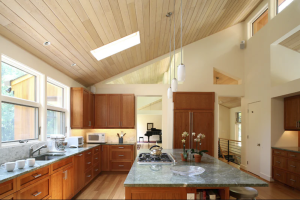
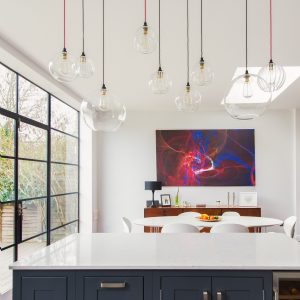
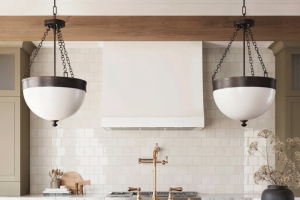
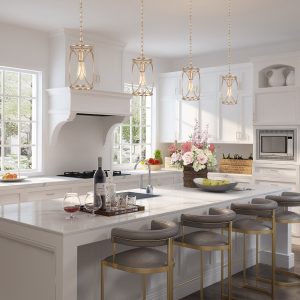
Pendant lights are a popular choice for adding both style and task illumination to specific kitchen areas. Their characteristic hanging design allows for precise placement directly over points of activity. When selecting pendant lights for task purposes, factors like shade design, bulb type, and height of suspension become important.
Shade Design and Light Direction
The design of a pendant light’s shade determines how the light is distributed.
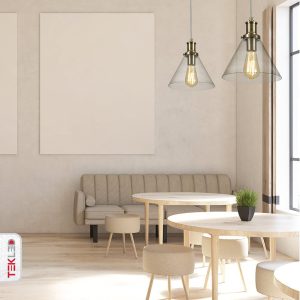
- Downlight Shades: Shades that are open at the bottom and often have a cone or bell shape direct light downwards, making them excellent for task illumination over islands, peninsulas, or dining areas within the kitchen.
- Enclosed Shades: While some enclosed shades can diffuse light for ambient purposes, those with a clear or partially open bottom can still provide sufficient downward light to function as task lighting, albeit often with a softer quality.
- Open Cage or Bare Bulb Designs: These can be effective if paired with focused bulbs and positioned correctly. However, they may also cast shadows or create glare if not carefully considered.
Pendant Placement and Height
The precise positioning and suspension height of pendant lights are crucial for optimal task lighting.
- Over Kitchen Islands and Peninsulas: Pendant lights are commonly centered over these work surfaces, typically hung at a height of 30 to 36 inches above the countertop. This ensures sufficient light for chopping, food preparation, and eating without obstructing views or causing glare.
- Over Sinks or Stovetops: Smaller, focused pendants can be used to illuminate these specific work areas, similar to how a spotlight might be employed. Their placement should be directly above the functional zone.
Track Lighting Systems
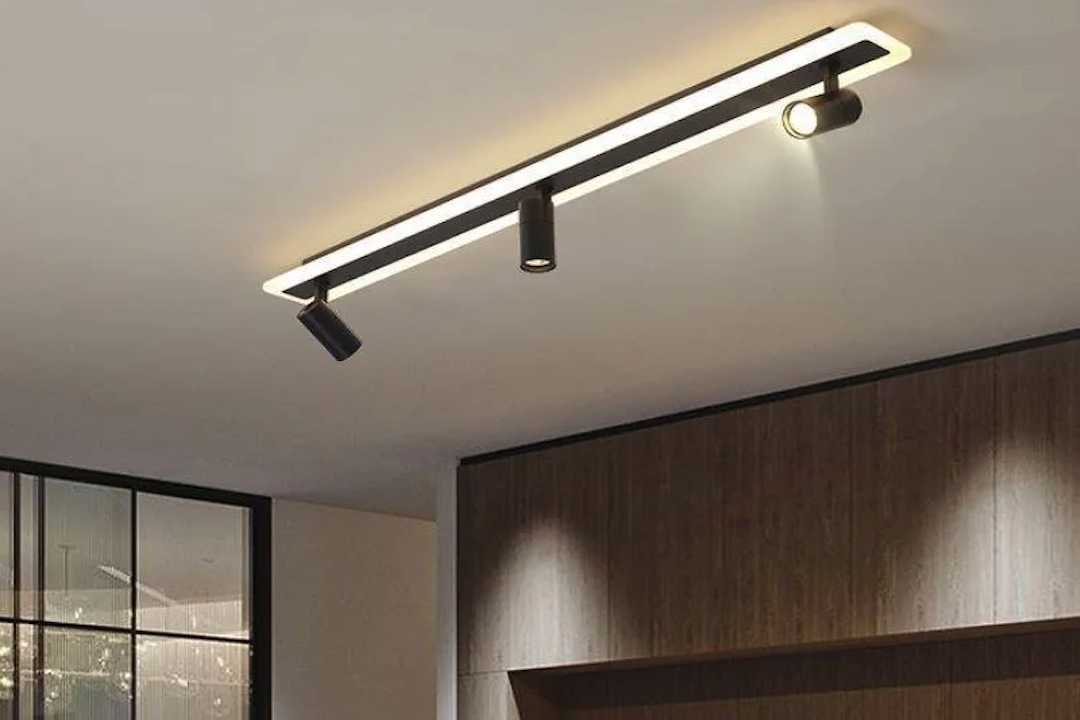
Track lighting offers a flexible and adaptable solution for task-oriented illumination. It consists of a live electrical track to which light heads, or “track heads,” can be attached and repositioned. This versatility makes it an excellent option for kitchens where needs may change or where specific areas require targeted lighting.
Adaptability and Customization
- Adjustable Heads: Most track lighting heads can be swiveled and angled, allowing users to direct light precisely where it is needed. This is a significant advantage for task lighting, as a single track can illuminate multiple work zones.
- Interchangeable Fixtures: Different types of track heads can be used on the same track, allowing for a mix of beam angles and light intensities to suit various tasks. For example, a narrow beam spotlight could be used over a specific prep area, while a wider floodlight could illuminate a larger section of countertop.
- Linear and Curved Tracks: Track lighting systems are available in various configurations, including straight lines, curves, and even flexible options, allowing for integration into diverse kitchen layouts.
Application for Task Lighting
Track lighting is particularly effective for:
- Illuminating Long Countertop Runs: A linear track can be mounted above a long stretch of countertop, with individual heads positioned to cover the entire workspace.
- Highlighting Specific Appliances: Track heads can be aimed at the stovetop, oven, or sink to provide focused light for these high-use areas.
- Accommodating Evolving Needs: If a kitchen layout is modified or a new appliance is introduced, track lighting can be easily reconfigured to provide task lighting in the new configuration.
Design Principles for Efficient Task Lighting
Effective task lighting in a kitchen goes beyond simply installing a bright light. It involves thoughtful consideration of several design principles to maximize functionality, minimize energy waste, and enhance the overall user experience.
Lumen Output and Beam Angle
The output of a light source, measured in lumens, indicates its brightness. For task lighting, sufficient lumens are necessary to illuminate the work surface clearly. However, simply having a high lumen output is not enough; the light must be directed effectively.
- Lumens for Task Areas: General recommendations for task lighting in kitchens often range from 500 to 1000 lumens per linear foot of countertop space, depending on the specific activity and the desired level of brightness. Highly detailed tasks might require higher lumen outputs.
- Beam Angle: The beam angle of a light source determines how widely or narrowly the light is spread.
- Narrow Beam Angles (e.g., 10-25 degrees): These create a focused beam of light, ideal for precisely illuminating small work areas or specific objects. They are effective for tasks requiring high detail.
- Medium Beam Angles (e.g., 25-60 degrees): These offer a broader spread of light, suitable for illuminating larger sections of countertop or general task areas.
- Wide Beam Angles (e.g., 60+ degrees): While typically associated with ambient lighting, a wide beam angle can be useful in task lighting if the objective is to illuminate a broad workspace with a softer, more diffused light.
Color Temperature and CRI
The perceived “warmth” or “coolness” of a light is its color temperature, measured in Kelvin (K). Color Rendering Index (CRI) measures how accurately a light source reveals the true colors of objects. Both are crucial for effective kitchen task lighting.
Color Temperature (Kelvin)
- Warm White (2700K – 3000K): This range provides a warm, inviting light, similar to incandescent bulbs. It’s often preferred for creating a cozy atmosphere and can be good for general illumination and tasks where a relaxed environment is desired.
- Cool White/Neutral White (3500K – 4500K): This range offers a more neutral, crisp light. It’s well-suited for task lighting as it provides good visibility without appearing too harsh or too warm. This is often considered the sweet spot for kitchen task lighting.
- Daylight (5000K – 6500K): This range mimics natural daylight and provides a very bright, cool light. While excellent for tasks requiring high detail and color accuracy, it can sometimes feel stark or artificial in a residential setting and may not be ideal for all kitchen tasks.
Color Rendering Index (CRI)
- High CRI (90+): A high CRI is vital for kitchen task lighting, especially for food preparation. It ensures that the colors of ingredients, meats, and vegetables appear as they truly are, which is important for both aesthetic appeal and safety (e.g., identifying spoilage).
- Moderate CRI (80-89): While acceptable for general lighting, a moderate CRI can lead to a slight distortion of colors, which might be less desirable for detailed tasks.
Glare Reduction and Diffusion
Glare is excessive luminance that can cause visual discomfort and impair visibility. In kitchens, glare can be a significant problem, especially during food preparation. Task-oriented ceiling lights should be designed to minimize glare.
- Shielding: The design of the fixture itself can incorporate shields, louvers, or deep-set bulbs to block direct view of the light source.
- Diffusion: Diffusers, often made of frosted glass or plastic, spread the light more evenly, reducing harshness and creating a softer, more comfortable illumination. However, excessive diffusion can reduce the intensity of the light on the task surface.
- Beam Angle Selection: As mentioned earlier, selecting appropriate beam angles can help direct light onto the work surface without shining directly into users’ eyes.
Energy Efficiency and Sustainability
The concept of “efficient” lighting directly relates to energy consumption and its impact on the environment and utility bills. Task-oriented ceiling lights, like all modern lighting solutions, should prioritize energy efficiency.
LED Technology’s Role
Light Emitting Diodes (LEDs) have revolutionized energy-efficient lighting. They offer significant advantages over traditional lighting technologies, making them the go-to choice for task lighting in kitchens.
- Low Power Consumption: LEDs consume considerably less energy than incandescent or even fluorescent bulbs to produce the same amount of light. This directly translates to lower electricity bills.
- Long Lifespan: LEDs have an exceptionally long operational lifespan, often tens of thousands of hours. This reduces the frequency of bulb replacements, saving both money and the environmental impact of manufacturing and disposal.
- Directional Light: Many LED bulbs are inherently directional, meaning they emit light in a specific direction. This is highly advantageous for task lighting, as it minimizes wasted light and focuses illumination where it is needed most, unlike omnidirectional bulbs that emit light in all directions and require more effort to direct.
- Instant On: LEDs provide full brightness immediately upon switching on, unlike some fluorescent bulbs that can flicker or take time to warm up. This is beneficial for a functional space like a kitchen where immediate illumination is desired.
Smart Lighting Controls
Integrating smart lighting controls with task-oriented ceiling lights can further enhance energy efficiency and user convenience.
- Dimmers: Dimmers allow users to adjust the brightness of the lights according to the specific task or time of day. This not only saves energy but also allows for customizable lighting scenes, such as brighter light for chopping and dimmer light for a more relaxed evening setting.
- Motion Sensors: In areas of the kitchen that are not constantly in use, motion sensors can automatically turn lights on when activity is detected and turn them off after a period of inactivity. This is particularly useful for walk-in pantries or utility areas within the kitchen.
- Timers: Timers can be programmed to turn lights on and off at specific times, useful for simulating occupancy when away from home or for ensuring lights are turned off at the end of the day.
- Smart Home Integration: Integrating kitchen lighting with smart home systems allows for centralized control and automation. This can include voice commands, app control, and pre-programmed lighting scenes that adapt to the user’s routines.
Choosing the Right Wattage and Lumens
When selecting task-oriented ceiling lights, it is important to consider the relationship between wattage and lumens to ensure energy efficiency without sacrificing brightness for the task.
- Wattage: This refers to the power consumption of the bulb. As LED technology has advanced, the wattage required to produce a certain lumen output has decreased significantly.
- Lumens: This measures the actual light output. Focusing on lumens rather than wattage allows for a more accurate assessment of brightness. For example, an LED bulb with a wattage of 10 watts might produce the same amount of light (lumens) as a 60-watt incandescent bulb.
- Efficiency Ratings: Look for energy efficiency labels or ratings when purchasing lighting fixtures and bulbs. This can provide a comparative measure of their energy performance.
Installation and Placement Considerations
The effectiveness of task-oriented ceiling lights is heavily dependent on their proper installation and strategic placement within the kitchen’s layout. Even the most advanced fixture will fall short if not positioned correctly.
Ceiling Height and Fixture Size
The height of your kitchen ceiling will influence the type and size of task-oriented ceiling lights that can be effectively installed.
- Low Ceilings: For kitchens with lower ceilings, flush-mount fixtures or recessed lighting are often the most suitable options. These fixtures sit close to the ceiling, preventing them from encroaching on headroom and appearing bulky.
- Standard Ceilings: Standard ceiling heights (around 8-9 feet) offer more flexibility. Recessed lights, track lighting, and various types of pendant lights can be accommodated.
- High Ceilings: In kitchens with high ceilings, longer pendant lights or chandeliers can be used to bring the light source down closer to the work surfaces without creating an overwhelming visual effect. It is important to ensure the suspension length is appropriate to provide adequate task illumination without becoming a hazard.
Layout and Workflow Analysis
Understanding the daily workflow in your kitchen is paramount for determining the optimal placement of task lighting. Think of your kitchen as a stage, and each countertop, sink, and stovetop is a scene requiring its own spotlight.
- Countertop Work Zones: Identify all primary food preparation areas. Task lighting should be positioned directly above these zones to illuminate the entire surface without creating shadows from the user’s body. For example, placing recessed lights or pendant lights every 3-4 feet along a long countertop run can ensure consistent illumination.
- Sink Area: Adequate lighting over the sink is crucial for washing dishes, rinsing produce, and general cleaning. A dedicated recessed light or a small pendant can provide this focused illumination.
- Stovetop and Oven Area: Bright task lighting directly above the stovetop is essential for cooking and monitoring food. While range hoods often have built-in lighting, additional task lighting from the ceiling can complement this.
- Island or Peninsula: If your kitchen features an island or peninsula, it will likely serve multiple functions (prep, dining, socializing). Pendant lights are a popular and effective choice here, hung at a height of 30-36 inches above the surface.
- Pantry or Butler’s Area: If these areas are accessible from the main kitchen, consider dedicated task lighting within them, perhaps using simple recessed fixtures or strip lights.
Avoiding Shadows and Glare
Strategic placement is key to preventing common lighting issues.
- Shadow Mitigation: By positioning lights directly above work surfaces and at appropriate intervals, you can minimize shadows cast by your own body or by kitchen equipment. For instance, if you are standing at a countertop, the light source should ideally be in front of you and above, not directly behind you where your body could block the light.
- Glare Prevention: Avoid placing lights so that they are directly in the line of sight from seating areas or the main walkways of the kitchen, which can cause discomfort. Using fixtures with integrated diffusers or a carefully selected beam angle can help mitigate direct glare. When using recessed lighting aimed at a backsplash, consider the angle to avoid reflecting directly into the eyes of someone sitting at a counter.
Maintenance and Longevity of Task Lights
Proper maintenance ensures that your task-oriented ceiling lights continue to function efficiently and provide optimal illumination over their lifespan.
Cleaning Fixtures and Surfaces
Over time, dust, grease, and cooking fumes can accumulate on light fixtures, reducing their light output and affecting their appearance.
- Regular Dusting: Use a soft, dry cloth or a feather duster to regularly dust the exterior of the light fixtures. This can be done as part of your routine kitchen cleaning.
- Deep Cleaning: For more stubborn grime, particularly on glass or plastic diffusers, use a mild cleaning solution (e.g., a mixture of water and dish soap) applied to a soft cloth. Avoid spraying cleaning solutions directly onto the fixture, as it can damage electrical components. Ensure the fixture is cool and switched off before cleaning.
- Polishing: For metal components, consider using a metal polish according to the manufacturer’s instructions to maintain their finish.
Bulb Replacement and LED Considerations
The longevity of modern LED bulbs means that replacements are infrequent, but it’s still a factor to consider.
- LED Lifespan: As mentioned, LEDs have a very long lifespan. When an LED bulb does eventually fail (which is rare compared to older technologies), it typically does so gradually, dimming over time rather than burning out suddenly.
- Consistent Color Temperature: When replacing LED bulbs, it is important to choose bulbs with the same color temperature and CRI as the existing ones to maintain a uniform look and feel in your lighting scheme. Mixing bulbs with different color temperatures can lead to an inconsistent appearance.
- Integrated LED Fixtures: Many modern task-oriented ceiling lights, especially recessed and some pendant fixtures, have integrated LED modules that are not user-replaceable. In such cases, if the LED module fails, the entire fixture may need to be replaced. This highlights the importance of purchasing quality fixtures from reputable manufacturers.
Electrical Safety Checks
Although ceiling lights are generally low-maintenance, periodic checks of the electrical connections are a good practice for safety.
- Loose Connections: If you notice any flickering lights or hear buzzing sounds from the fixture, it could indicate a loose electrical connection. It is advisable to have a qualified electrician inspect the wiring.
- Overheating: If any part of the fixture feels excessively hot to the touch, turn off the circuit breaker for that area and have it inspected by an electrician. This could indicate an overpower issue or a wiring problem.
- Professional Inspection: For peace of mind, consider having a qualified electrician perform a general safety check of your kitchen lighting system every few years, especially if you have older fixtures or have made significant electrical modifications.