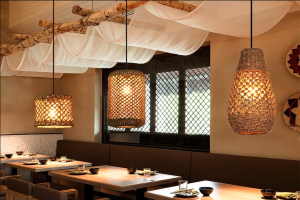


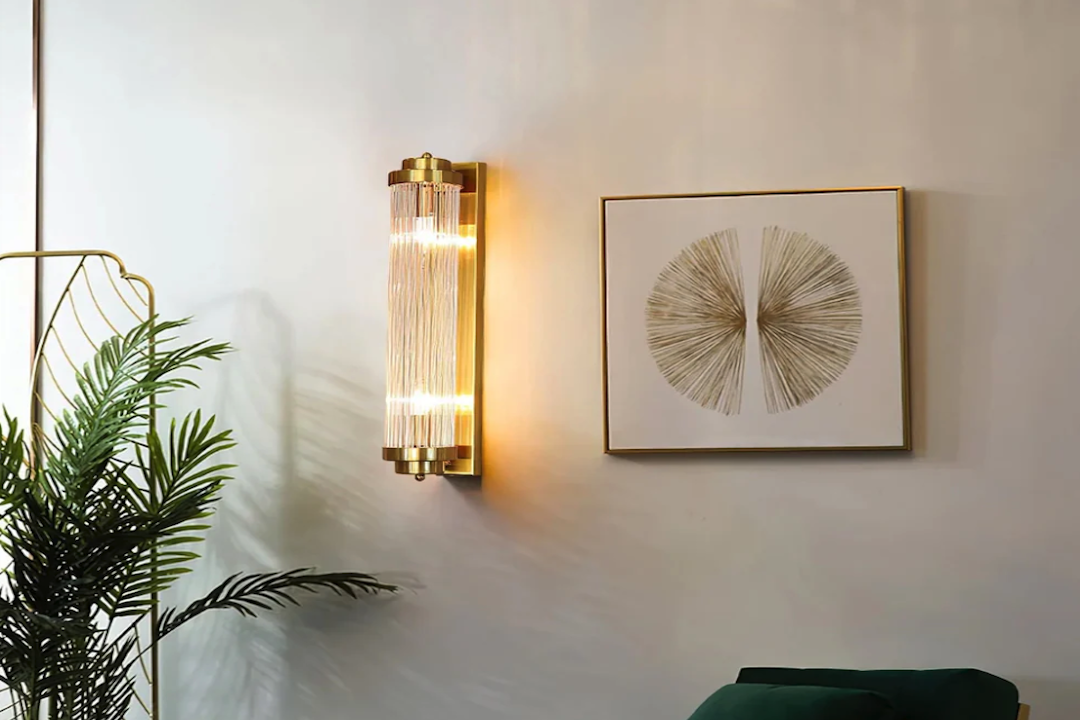
The discerning cafe owner, striving to create an atmosphere that transcends the ordinary, often finds their gaze drawn to the subtle yet powerful influence of lighting. Among the myriad of decorative elements available, Art Deco crystal wall lamps have emerged as a particularly compelling choice, offering a unique blend of historical resonance and contemporary appeal. These fixtures are not merely sources of illumination; they act as luminous storytellers, whispering tales of a bygone era of opulence and sophistication. When strategically deployed, they can transform a simple cafe into an experience, an invitation to linger and absorb the curated ambiance.
The Art Deco period, spanning roughly from the 1920s to the 1940s, was an era characterized by geometric forms, bold symmetry, and a fascination with luxury materials. This aesthetic found expression in architecture, fashion, and, of course, interior design. Crystal, with its inherent ability to refract and reflect light Ezerliving, was a material perfectly suited to capture the spirit of the age. Art Deco crystal wall lamps, therefore, embody this spirit in a concentrated form, bringing a touch of glamour and refined taste to any space.
For cafes, the choice of lighting is paramount. It sets the mood, influences customer perception, and can even impact ordering habits. A cafe bathed in harsh, utilitarian light may feel unwelcoming, while one illuminated with care can foster connection and encourage patrons to settle in for longer stays. Art Deco crystal wall lamps provide a solution that is both aesthetically pleasing and functional, offering a warm, diffused glow that is conducive to conversation and relaxation. They are like silent conductors, orchestrating the visual rhythm of the cafe.
This article will delve into the specific characteristics of Art Deco crystal wall lamps, examining their historical context, design principles, and the practical considerations for their use in cafe environments. We will explore the various styles available, the materials employed in their construction, and the impact they can have on the overall cafe experience. By understanding the nuances of these captivating fixtures, cafe owners can make informed decisions that elevate their establishment beyond the commonplace, imbuing it with a distinctive and memorable charm.
Historical Context: The Golden Age of Art Deco Lighting
The Art Deco period was a cultural phenomenon that swept across the globe, leaving an indelible mark on design and architecture. Emerging in the aftermath of World War I, it represented a desire for modernity, a break from the ornate styles of the past, and an embrace of innovation and luxury. This era witnessed significant technological advancements, and designers sought to incorporate these into their creations.
The rise of electricity in homes and public spaces played a crucial role in the development of lighting design during the Art Deco period. What was once a novelty became an essential element of daily life, and designers seized the opportunity to create fixtures that were as much works of art as they were functional objects. Crystal, a material historically associated with wealth and prestige, found a new and vibrant application in this context. Its inherent properties lent themselves perfectly to the geometric aesthetics and the desire for a dazzling, glamorous effect that characterized Art Deco.
The fascination with exoticism, speed, and the machine age also influenced Art Deco design. This translated into motifs inspired by industrial forms, streamlined shapes, and a sense of dynamism. Crystal, when cut and faceted in specific ways, could embody these very qualities, catching and scattering light in ways that evoked speed and movement. It was a material that could appear both solid and ethereal, reflecting the duality of the era’s aspirations.
Cafes, often seen as social hubs and places of leisure, were also sites where this new aesthetic was embraced. As cafes evolved from simple refreshment stops to elaborate gathering places, the importance of their interior design, including lighting, grew. Art Deco crystal wall lamps, with their ability to project a sense of sophistication and a captivating play of light, became popular additions, enhancing the allure of these establishments. They were symbols of modernity and aspiration, mirroring the changing social landscape.
The Rise of Electricity and Its Impact on Illumination
The widespread adoption of electricity in the early 20th century was a watershed moment for interior design. Before this, illumination was primarily provided by gas lamps or candles, which offered limited control and often posed safety concerns. Electricity, however, allowed for the creation of new lighting fixtures that were safer, more efficient, and offered a greater degree of artistic freedom.
This newfound freedom enabled designers to move beyond functional necessity and explore the aesthetic potential of light itself. The ability to control brightness, direction, and color opened up a world of possibilities for creating specific moods and atmospheres. Crystal, with its ability to refract and reflect light in complex ways, became an ideal medium for artists and designers to experiment with. The intricate facets of cut crystal could transform a simple light bulb into a cascading symphony of rainbows and shimmering patterns.
The development of new manufacturing techniques also played a role. Crystal could be molded, blown, and cut with greater precision, allowing for more complex and intricate designs. This technological advancement meant that the artistry of crystal lighting was accessible, albeit at a premium, to a wider range of establishments, including fashionable cafes.
Influences on Art Deco Lighting: From Geometry to Glamour
The Art Deco movement drew inspiration from a diverse range of sources, each contributing to its distinctive aesthetic. Geometric shapes, a hallmark of Art Deco, were evident in the precise facets and symmetrical arrangements of crystal elements in wall lamps. Think of the clean lines and angular forms that characterized much of Art Deco architecture and furniture; this translated directly into the construction of lighting fixtures.
The fascination with modernity and the machine age also seeped into lighting design. Streamlined forms, reminiscent of industrial machinery and transportation, were often incorporated, giving the lamps a sense of dynamism and forward momentum. Even as the materials might be traditional, the overall silhouette often spoke of the cutting edge.
However, Art Deco was also deeply concerned with glamour and luxury. This was an era of jazz, flappers, and grand movie palaces, and the lighting in cafes was expected to reflect this spirit of sophistication and festivity. Crystal, with its inherent sparkle and ability to create dazzling displays, was the perfect material to achieve this. The interplay of light and shadow, the way crystal could amplify and refract illumination, contributed to an atmosphere of celebratory elegance. It was about creating an experience, a visual feast that invited patrons to indulge.
Design Principles of Art Deco Crystal Wall Lamps
The aesthetic appeal of Art Deco crystal wall lamps lies in their adherence to specific design principles that define the movement. These principles ensure a harmonious and visually captivating result, making them more than just functional objects. They are deliberate constructions, designed to evoke a particular feeling and contribute to the overall narrative of a space.
The emphasis on geometric forms is perhaps the most recognizable characteristic. This manifests in the use of clean lines, strong symmetry, and repetitive patterns. Crystal elements are often cut into precise shapes such as squares, rectangles, octagons, and diamonds, arranged in a balanced and orderly fashion. This creates a sense of order and sophistication, a visual rhythm that is both calming and engaging.
The materials themselves are integral to the design. Crystal, of course, is paramount, but its quality and cut are crucial. High-quality crystal, such as Bohemian or Austrian crystal, offers superior clarity, brilliance, and a greater ability to refract light, producing a richer spectrum of prismatic effects. The metal components, typically brass, bronze, or chrome, are often polished to a high sheen, further enhancing the reflective qualities of the lamp and complementing the sparkle of the crystal.
The silhouette of Art Deco crystal wall lamps often conveys a sense of upward movement or a radiating form. Many designs feature a central light source surrounded by cascading crystal elements that fan outwards, mimicking the rays of the sun or the petals of a stylized flower. This creates a dramatic focal point and draws the eye, contributing to the overall theatricality of the lighting.
Geometric Symmetry and Precision
Art Deco design fundamentally values order and balance, and this is profoundly evident in the construction of crystal wall lamps. Symmetrical arrangements are key; elements are typically mirrored, creating a sense of visual equilibrium. Think of a scale perfectly balanced, with each side mirroring the other. This meticulous attention to symmetry is not merely an aesthetic choice; it contributes to a feeling of stability and refinement.
The geometric precision extends to the cutting and shaping of the crystal. Facets are sharp and clean, reflecting light with a crispness that is distinctive. There’s a deliberate mathematical quality to the designs, often incorporating repeating motifs and patterns that build upon a foundational geometric shape. This could be seen in rows of meticulously aligned crystal prisms or in the arrangement of geometric metalwork that frames the crystal.
The Role of Crystal: Prism, Refraction, and Brilliance
Crystal is the star of the show in these lamps, and its multifaceted nature is exploited to its fullest. The primary function of crystal in Art Deco lighting is its ability to refract light. As light passes through the numerous facets of the crystal, it is bent and dispersed, creating a dazzling array of colors known as prismatic effects. This transforms a simple light source into a dynamic display of shimmering hues.
Beyond refraction, crystal is also chosen for its brilliance and clarity. High-quality crystal possesses a depth and purity that allows light to pass through it with minimal distortion, maximizing the reflection and diffusion of light. This results in a soft, radiant glow rather than a harsh glare. The subtle sparkle and shimmer of the crystal create a captivating visual texture, adding a layer of opulence to the ambiance. Imagine diamonds catching the light; crystal offers a similar, more distributed sparkle.
Metalwork and Finishes: Complementing the Crystal
While crystal is the dominant material, the metal components of Art Deco crystal wall lamps play a crucial supporting role. These metals provide the structural framework and contribute to the overall aesthetic. Common materials include brass, bronze, and chrome, often polished to a high sheen to enhance their reflective properties.
The choice of metal finish can significantly impact the lamp’s appearance. A polished brass finish lends a warm, classic feel, while chrome offers a cooler, more modern aesthetic. Some designs incorporate patinated or brushed metal finishes for a more subdued, vintage look. The metalwork itself often features geometric patterns, echoing the forms of the crystal elements and creating a cohesive design language. These metal frames act like elegant settings for precious gems, highlighting the beauty of the crystal.
Styles and Variations of Art Deco Crystal Wall Lamps
The Art Deco period, while unified by certain principles, allowed for considerable variation in its artistic expression. This is reflected in the diverse range of crystal wall lamp styles that emerged, each offering a slightly different interpretation of the Art Deco aesthetic. Understanding these variations allows for informed selection based on the specific desired mood and character of a cafe.
One prominent style features cascading tiers of crystal prisms or beads, often arranged in a fan or fountain-like formation. This design emphasizes movement and opulence, with light bouncing and refracting through the numerous elements to create a dramatic and dynamic effect. It’s akin to a frozen waterfall of light.
Another common style employs more rectilinear and geometric arrangements. Crystal panels, often seedy or frosted for diffused light, are framed by stepped geometric metalwork. These designs tend to be more restrained and sophisticated, offering a sense of understated elegance. The clean lines and deliberate placement of crystal create a sense of order and modern allure.
Some lamps incorporate stylized natural motifs, such as floral or sunburst patterns, rendered in crystal. These interpretations are highly stylized and geometric, distinctly Art Deco rather than purely representational. The crystal elements might be shaped to suggest petals or rays, creating a subtle nod to organic forms within the geometric framework.
Tiered and Cascading Designs
These lamps are characterized by multiple layers or tiers of crystal components, often suspended from a central fixture. The crystals themselves can take various forms, including prisms, beads, or small bobeches. The cascading arrangement creates a sense of depth and visual interest, with light interacting with each element at different angles. This style is about abundance and a generous display of light.
The effect is often one of effervescence, as light appears to flow downwards, creating a captivating spectacle. Think of a chandelier broken down into a more wall-mounted, intimate form. These designs are ideal for creating a sense of luxury and drawing attention to specific areas within a cafe.
Geometric and Rectilinear Forms
In contrast to the cascading styles, these lamps focus on clean lines and defined geometric shapes. Crystal panels, often etched, frosted, or seedy, are frequently employed to soften the light and create a diffused glow. The metal framework typically features stepped or angular designs, reinforcing the geometric theme.
These lamps possess a more modern and minimalist appeal, even within the opulent Art Deco context. They convey a sense of streamlined sophistication and offer a more subtle integration into a contemporary cafe setting. The precision of the geometry is paramount, creating a sense of understated luxury.
Stylized Natural Motifs
While Art Deco is known for its embrace of geometry and modernity, it also incorporated stylized interpretations of natural forms. In crystal wall lamps, this might manifest as crystalline elements arranged to suggest sunbursts, flowers, or even feathers. However, these interpretations are always abstracted and highly geometric, retaining the hallmark symmetry and precision of the Art Deco style.
These lamps offer a touch of organic inspiration without sacrificing the era’s characteristic modernity. The stylized forms add a unique artistic flair, providing a subtle narrative element to the lighting. They are like nature observed through a prism of geometric order.
Practical Considerations for Cafe Application
When considering Art Deco crystal wall lamps for a cafe, practicality must be balanced with aesthetics. The goal is to enhance the dining or drinking experience without compromising functionality or creating maintenance headaches. Careful planning and selection are key to ensuring these fixtures serve their intended purpose effectively.
One primary consideration is the type of illumination provided. Art Deco lamps often feature exposed bulbs or shades that diffuse light through crystal. The Kelvin rating and lumen output of the bulbs chosen will significantly impact the mood. Warmer, lower lumen bulbs are generally more conducive to a relaxed cafe atmosphere, fostering intimacy and warmth. Harsh, bright light can be detrimental to customer comfort and the overall ambiance.
Maintenance is another crucial factor. Crystal, by its nature, can attract dust and fingerprints. Lamps designed with easily accessible crystal components will simplify cleaning routines, which are essential for maintaining their sparkle. The durability of the metal finishes also needs to be considered, especially in a high-traffic environment like a cafe.
The scale and placement of the lamps are also important. Too few lamps may result in uneven illumination, while too many can create an overwhelming or overly cluttered appearance. The lamps should be positioned strategically to highlight key areas, such as tables, bars, or decorative elements, and to ensure adequate task lighting where needed, for example, at the point of sale. They are the silent architects of light flow.
Bulb Selection: Kelvin and Lumens
The choice of light bulbs for Art Deco crystal wall lamps is critical in shaping the cafe’s atmosphere. The Kelvin rating determines the color temperature of the light. For a warm and inviting cafe ambiance, bulbs with a Kelvin rating between 2200K and 3000K are generally recommended. This range produces a soft, yellowish light that promotes relaxation and intimacy, akin to candlelight but with modern consistency.
Lumens, on the other hand, measure the brightness of the bulb. While sufficient light is necessary for visibility and functionality, excessive brightness can be detrimental to a cafe’s mood. Lamps with crystal elements will naturally amplify and diffuse light, so lower lumen bulbs are often sufficient. Instead of a spotlight, you are aiming for a gentle, ambient glow, like moonlight filtered through a canopy. Overly bright bulbs can lead to glare and discomfort, detracting from the intended atmosphere. Dimmers can also be a valuable addition, allowing for flexible control of light intensity throughout the day or for different occasions.
Maintenance and Cleaning: Preserving the Sparkle
Crystal, while beautiful, requires regular cleaning to maintain its luster. Dust, grease, and fingerprints can dull the brilliance of the crystal and detract from the lamp’s overall appeal. For cafes, ease of maintenance is a significant practical consideration. Lamps with easily removable crystal components simplify the cleaning process, allowing staff to address them efficiently.
A routine cleaning schedule is essential. This might involve dusting the lamps regularly with a soft, lint-free cloth and performing a more thorough cleaning of the crystal elements as needed. Special crystal cleaners are available that can restore shine without damaging the material. The metal components should also be cleaned with appropriate polishes to prevent tarnishing and maintain their original gleam. Imagine a carefully tended garden; regular attention ensures continued beauty.
Scale, Placement, and Layering of Light
The effective integration of Art Deco crystal wall lamps into a cafe environment requires careful consideration of their scale and placement. The size of the lamps should be proportionate to the size of the space and the furniture within it. Oversized lamps in a small cafe can feel overwhelming, while undersized lamps in a large space may appear insignificant.
Placement is equally important. Lamps should be strategically positioned to achieve an even distribution of light and to highlight key areas. Consider placing them along walls at intervals that complement the seating arrangements, or near decorative architectural features. The aim is not just to illuminate, but to sculpt the space with light.
Layering light is a fundamental design principle that applies equally to cafes. Art Deco crystal wall lamps can serve as a primary source of ambient lighting, providing a warm, diffused glow. However, they can be complemented by other light sources, such as pendant lights over bar areas or spotlights to accent artwork or menus. This creates a more dynamic and functional lighting scheme, ensuring that different areas of the cafe are illuminated appropriately for their purpose. Think of a symphony, where different instruments come together to create a rich and varied soundscape; lighting can achieve a similar richness.
Thematic Cohesion and Ambiance Creation
Art Deco crystal wall lamps are more than just decorative elements; they are powerful tools for shaping the thematic cohesion and ambiance of a cafe. Their historical resonance and inherent glamour can evoke a specific era, while their luminous qualities contribute to the overall sensory experience of the patron. When chosen and deployed thoughtfully, they become integral to the cafe’s identity.
The ability of these lamps to evoke a sense of nostalgia and sophistication is a significant advantage. They can transport patrons to an era of jazz clubs, elegant soirees, and a general sense of refined revelry. This thematic consistency can be a powerful draw for customers seeking an escape from the mundane and an immersive experience. They are like anchors in time, grounding the cafe in a stylish past.
Furthermore, the quality of light emitted by crystal lamps plays a crucial role in ambiance. The soft, diffused glow created by the refraction and reflection of light through crystal elements fosters intimacy and comfort. This can encourage patrons to linger, engage in conversation, and enjoy their surroundings, ultimately contributing to positive customer experiences and repeat business. It’s about creating a haven, a space where time slows down and connection flourishes.
Evoking Nostalgia and Sophistication
The Art Deco era conjures images of glamour, optimism, and a bolder approach to design. The presence of crystal wall lamps can immediately imbue a cafe with this sense of historical sophistication. They act as visual cues, signaling to patrons that this is a place that values style and has a discerning eye for detail. This can attract a clientele that appreciates vintage aesthetics and a more curated dining or drinking experience.
This evocation of nostalgia is not about recreating a museum piece; rather, it’s about borrowing the essence of an era to create a timeless appeal. The lamps can serve as a subtle wink to history, adding a layer of narrative and intrigue to the cafe’s identity. They are the threads that weave the past into the present, creating a unique tapestry of style.
Fostering Intimacy and Comfort Through Light Quality
The way Art Deco crystal wall lamps interact with light is central to their ability to create intimacy and comfort. Unlike stark overhead lighting, the diffused and multifaceted glow produced by crystal softens the environment and reduces harsh shadows. This creates a more welcoming and relaxed atmosphere, encouraging patrons to feel at ease.
The gentle sparkle and shimmer of the crystal add a touch of understated luxury, making the space feel special without being overtly ostentatious. This type of lighting is ideal for fostering conversation and connection among patrons. It’s the kind of light that makes faces look good and encourages lingering, turning a quick coffee into a relaxed interlude. Imagine the gentle glow of a fine evening in a well-appointed room; these lamps can achieve that effect.
Creating a Distinctive Brand Identity
In a competitive cafe market, establishing a distinctive brand identity is crucial. Art Deco crystal wall lamps, with their unique aesthetic and historical associations, can play a significant role in this process. They offer a visual signature that sets a cafe apart from its competitors.
The lamps become more than just fixtures; they become an integral part of the cafe’s narrative and brand story. This can attract customers who resonate with the chosen aesthetic and are seeking an experience that aligns with their personal style. A cafe adorned with these lamps tells a story of elegance, history, and a commitment to creating a memorable environment, weaving them into the very fabric of the brand itself.
Conclusion: Illuminating the Cafe Experience with Art Deco Charm
Art Deco crystal wall lamps offer a compelling and sophisticated solution for cafe owners seeking to enhance their establishments. Their enduring appeal lies in their ability to seamlessly blend historical reverence with contemporary relevance, transforming the mundane act of dining or socializing into a more refined and memorable experience. These fixtures are not mere sources of light; they are meticulously crafted objects that contribute significantly to the overall ambiance and thematic cohesion of a space.
The inherent qualities of Art Deco design – its emphasis on geometric precision, its embrace of luxurious materials, and its aspiration towards glamour – are perfectly embodied in these crystal wall lamps. When strategically implemented, they can evoke a sense of nostalgia for a bygone era of elegance while simultaneously offering a timeless aesthetic that appeals to modern sensibilities. They are like carefully chosen jewels adorning the facade of a building, hinting at the treasures within.
The practical considerations, from bulb selection to maintenance, are essential for ensuring that these lamps function effectively and contribute positively to the cafe’s operational efficiency. By understanding the nuances of Kelvin and lumen ratings, implementing a regular cleaning schedule, and carefully considering scale and placement, cafe owners can harness the full potential of Art Deco crystal wall lamps. This thoughtful approach ensures that the beauty of the lamps is not just skin-deep, but integrated into the very fabric of the cafe’s daily life.
Ultimately, the decision to incorporate Art Deco crystal wall lamps into a cafe design is an investment in creating an atmosphere. It is about recognizing the profound impact of lighting on customer perception, comfort, and brand identity. These lamps have the power to elevate a cafe from a mere functional space to an experiential destination, inviting patrons to linger, connect, and savor the ambience. They are the silent storytellers of a cafe’s aesthetic, casting a warm, inviting glow that makes every visit a touch more enchanting.