

The Vintage Amber Glass Pumpkin Lamp, a prevalent decorative artifact from the mid-20th century, embodies a particular design aesthetic that flourished during that era. This article examines the lamp’s historical context, design characteristics, manufacturing processes, and its continued relevance as a collectible and interior design element.
The mid-20th century, broadly spanning the 1940s through the 1960s, was a period of significant societal and technological transformation. Following World War II, a sense of optimism and a desire for modernity permeated many aspects of life, including design. This era saw the rise of Modernism, a movement characterized by clean lines, functional forms, and a rejection of elaborate ornamentation.
Post-War Economic Boom
The economic prosperity experienced in many Western nations after World War II fueled a surge in consumerism. People had more disposable income, leading to an increased demand for household goods, including decorative lighting. Manufacturers responded with innovative designs that were often more affordable and mass-produced than earlier artisanal pieces. This accessibility contributed to the widespread adoption of mid-century design aesthetics in homes.
Influence of Scandinavian Modernism
Scandinavian design principles, emphasizing simplicity, functionality, and natural materials, had a profound impact on mid-century aesthetics. Designers like Arne Jacobsen, Hans Wegner, and Eero Saarinen championed forms that were both aesthetically pleasing and practical. This influence is observable in the streamlined silhouettes and often organic shapes found in many mid-century lighting fixtures, including the Vintage Amber Glass Pumpkin Lamp. The lamp’s minimalist form, despite its decorative intent, aligns with the broader principles of functional beauty.
Technological Advancements in Glass Production
Advancements in glass manufacturing played a crucial role in the production of items like the Vintage Amber Glass Pumpkin Lamp. New techniques allowed for more efficient and consistent production of colored and textured glass. This enabled manufacturers to create a wider variety of forms and finishes, contributing to the diversity of lighting options available to consumers during the period. The ability to produce uniform amber-colored glass on a larger scale made the pumpkin lamp a commercially viable product.
Design Characteristics of the Vintage Amber Glass Pumpkin Lamp
The Vintage Amber Glass Pumpkin Lamp is identifiable by several distinct design features that reflect the prevailing aesthetic of its time. Its form, material, and color contribute to its characteristic appearance.
Form and Silhouette
The primary distinguishing feature of this lamp is its shape, which typically resembles a stylized pumpkin. This form is often characterized by a rounded body with gentle vertical ridges or fluting, mimicking the natural contours of a squash. Some variations might feature a slightly elongated neck at the top, where the bulb socket is housed, and a stable base. The overall silhouette tends to be smooth and continuous, avoiding sharp angles or abrupt transitions, a hallmark of mid-century design’s preference for organic and flowing lines.
Materiality: Amber Glass
The choice of amber glass is central to the lamp’s identity. Amber glass, a type of colored glass achieved by adding sulfur, carbon, and iron to the glass mixture, imparts a warm, translucent hue. This particular color choice was popular during the mid-century period, often selected for its ability to create a soft, inviting glow when illuminated. The inherent properties of glass, specifically its transparency and light diffusion capabilities, allow the amber color to be fully appreciated when the lamp is in operation. The glass itself can vary from smooth and polished to textured, sometimes incorporating subtle ripples or swirls that further enhance the light’s dispersion.
Decorative Elements and Minimalism
Despite being a decorative item, the Vintage Amber Glass Pumpkin Lamp typically adheres to a minimalist approach in terms of additional ornamentation. The “pumpkin” form and the amber color are generally considered the primary decorative elements. Unlike earlier Victorian or Art Nouveau designs that featured intricate patterns or applied embellishments, these lamps rely on the inherent beauty of the material and the simplicity of their form. Some variations may feature a simple brass or metal finial at the top, or a basic cord, but these elements are usually secondary to the glass body itself. This minimalist approach aligns with the mid-century ethos of “less is more.”
Illumination and Ambiance
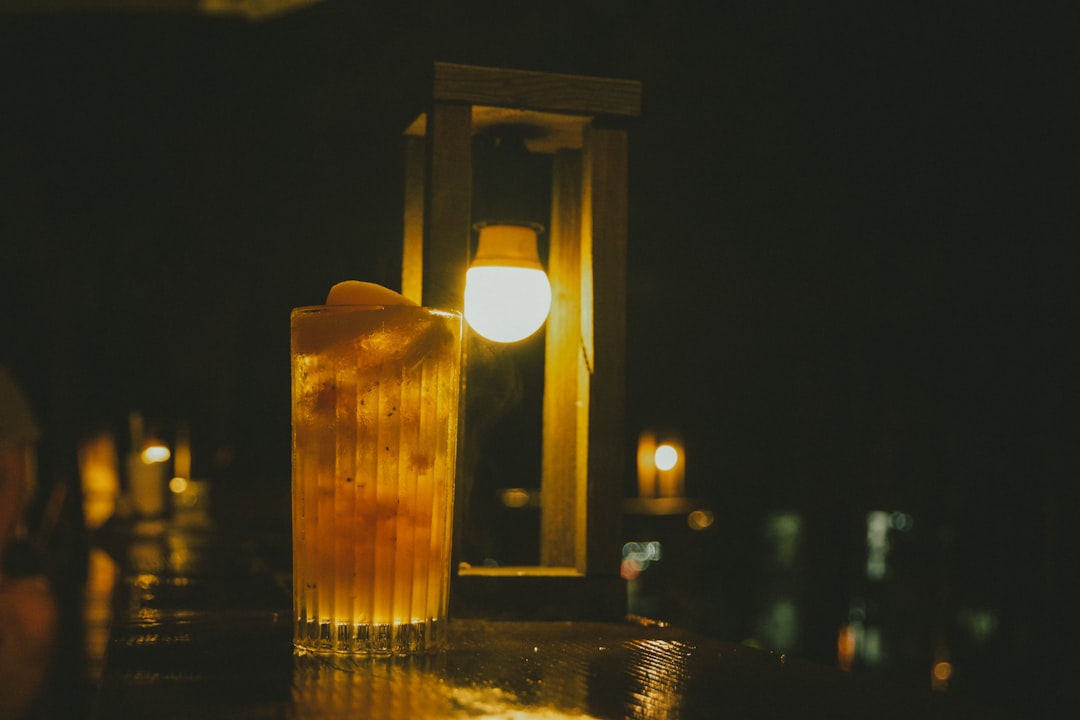
The amber glass of the lamp plays a significant role in the type of illumination it provides. When lit, the amber hue filters the light, casting a warm, diffused glow that contributes to a soft and inviting ambiance. This characteristic made the lamp suitable for creating a cozy atmosphere in living rooms, bedrooms, or dens, rather than serving as a primary task light. The light emitted is often described as akin to a warm sunset, creating a comforting visual experience.
Manufacturing Processes
The production of Vintage Amber Glass Pumpkin Lamps involved techniques that were common in the glass industry during the mid-20th century. These processes facilitated both mass production and aesthetic quality.
Mold-Blown Glass Techniques
The majority of these lamps were manufactured using mold-blown glass techniques. This process involves blowing molten glass into a pre-made mold, which dictates the external shape and any surface textures, such as the pumpkin’s ridges. The use of molds allowed for consistent reproduction of the lamp’s form, crucial for mass production. Skilled glassblowers would introduce the molten glass into the mold and use compressed air to expand it to fill the cavity. This method created a hollow glass form with a uniform thickness, essential for optimal light diffusion.
Coloring Agents and Consistency
Achieving the characteristic amber color involved precisely controlling the addition of coloring agents to the molten glass batch. As mentioned, sulfur, carbon, and iron were typically used to produce the desired hue. Manufacturers aimed for consistency in color across production batches, ensuring that each lamp met a certain standard. The science behind glass coloring was well-established by the mid-20th century, allowing for repeatable results.
Finishing and Assembly
After the glass body was formed and cooled, it would undergo various finishing processes. This might include grinding the edges for smoothness, polishing the surface, and removing any excess glass. Subsequently, the electrical components – the bulb socket, wiring, and plug – would be assembled within the glass body. A stable base, often integrated into the glass form or as a separate component, would be attached. Quality control measures were in place to ensure electrical safety and proper functionality before the lamps were prepared for distribution. The simplicity of assembly, a result of the straightforward design, contributed to efficient production.
Prominent Manufacturers and Variations
While specific manufacturers can be challenging to definitively identify for every Vintage Amber Glass Pumpkin Lamp due to variations in labeling practices, several prominent glass companies and design trends contributed to their prevalence.
Murano and Italian Glass Influences
While many Vintage Amber Glass Pumpkin Lamps were produced domestically in various countries, Italian glass influences, particularly from Murano, were significant during the mid-century period. Murano glassblowers were renowned for their artistry and innovative techniques, including the use of vibrant colors and complex forms. While not all pumpkin lamps originated from Murano, the broader appreciation for colored and decorative glass, often exemplified by Italian craftsmanship, contributed to the market for such items. Some higher-end variations of the pumpkin lamp might exhibit characteristics typical of Italian glass, such as more intricate internal air bubbles or a richer depth of color.
Mass Production and Unmarked Pieces
Many Vintage Amber Glass Pumpkin Lamps were mass-produced for the general consumer market, and consequently, a significant number of surviving examples are unmarked. This was a common practice for many household goods of the era. These unmarked pieces still retain their value as examples of mid-century design, their aesthetic qualities often speaking for themselves without the need for a specific brand attribution. The accessibility facilitated by mass production ensured these lamps reached a broad demographic.
Regional Variations
The exact appearance of the Vintage Amber Glass Pumpkin Lamp could vary slightly depending on the region of production. Manufacturers in different countries or even within different regions of the same country might have had access to different raw materials, employed slightly varied manufacturing techniques, or catered to specific local design preferences. These subtle regional variations can sometimes be discerned through minor differences in glass texture, the exact shade of amber, or the detailing of the base. For instance, a lamp produced in the United States might have slightly different electrical fittings than one produced in Europe, reflecting different electrical standards.
Collecting and Interior Design Relevance Today
The Vintage Amber Glass Pumpkin Lamp has experienced a resurgence in popularity, becoming a sought-after item for collectors and interior designers. Its appeal extends beyond mere nostalgia, reflecting a broader appreciation for mid-century aesthetics.
Collectible Appeal
For collectors, the Vintage Amber Glass Pumpkin Lamp represents a tangible piece of mid-century design history. Factors that contribute to its collectible value include its condition, rarity of specific variations, and the presence of any manufacturer’s marks, though unmarked examples also hold value. Collectors often seek out pieces with minimal chips, cracks, or electrical damage. The intrinsic beauty of the amber glass and the lamp’s distinctive form make it a desirable addition to collections focusing on mid-century lighting or glassware. The lamp serves as a small portal to a past era of design.
Integration into Interior Design
In contemporary interior design, the Vintage Amber Glass Pumpkin Lamp is frequently used as an accent piece, adding a touch of warmth and vintage charm to modern spaces. Its warm glow can soften the starkness of minimalist interiors or complement other mid-century furnishings. Designers often leverage its unique color to introduce a contrasting element or to tie together an existing color palette within a room. The lamp functions not just as a light source, but as a sculptural object that enriches the visual texture of a space. Consider it a quiet anchor in a sea of contemporary décor.
Versatility in Placement
Due to its moderate size, the Vintage Amber Glass Pumpkin Lamp offers versatility in placement. It can serve as a bedside lamp, a decorative accent on a credenza or bookshelf, or a supplemental light source in a living area. Its diffused light is rarely overpowering, making it suitable for creating an ambient atmosphere in various room settings. The lamp’s unassuming presence allows it to integrate seamlessly without dominating the visual field.
Long-Term Value and Sustainability
Beyond its aesthetic appeal, collecting vintage items like the Amber Glass Pumpkin Lamp promotes sustainability by extending the life cycle of existing objects. Instead of contributing to the demand for newly manufactured goods, acquiring vintage pieces reduces waste and preserves cultural artifacts. This aspect adds another layer of intrinsic value for conscious consumers and collectors. The lamp, once an everyday object, now stands as a testament to enduring design and mindful consumption.