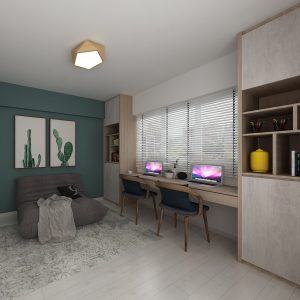
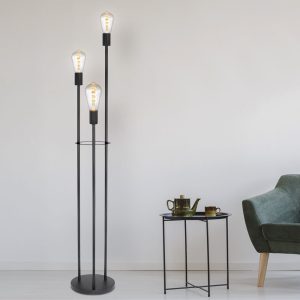
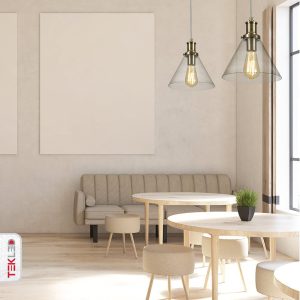
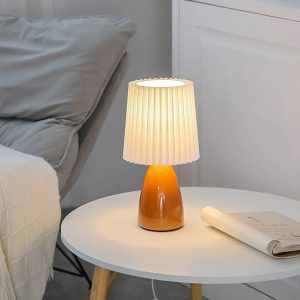
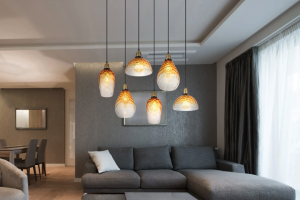

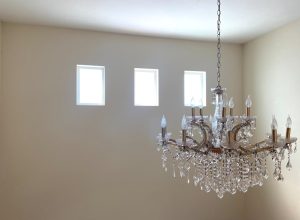
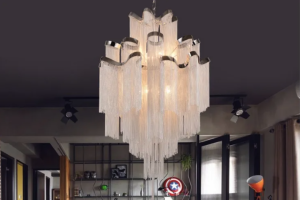
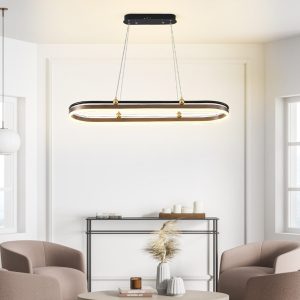
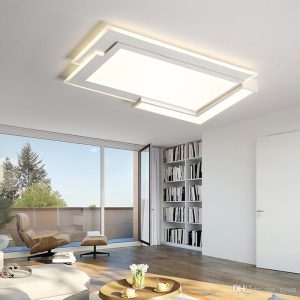



Thinking about adding a touch of natural elegance to your home? A stone-inspired ceiling light fixture might be just the thing. These lights bring the rugged beauty of natural stone into your living spaces, offering a blend of organic texture and contemporary design. They’re not just about illumination; they’re about setting a mood and enhancing the natural modern aesthetic.
The Appeal of Natural Modern Design
The “natural modern” style is all about creating spaces that feel grounded, serene, and connected to the outdoors, without sacrificing contemporary clean lines and functionality. It’s a look that’s warm, inviting, and often emphasizes sustainability. Think natural materials, organic shapes, and a calm color palette.
Core Principles of Natural Modernism
- Material Honesty: Using materials in their raw or minimally processed state. Wood grain, exposed concrete, and, of course, stone are key players.
- Organic Forms: Incorporating curves and softer lines reminiscent of nature, as opposed to stark geometric shapes.
- Connection to Nature: Bringing the outdoors in through large windows, indoor plants, and the use of natural light.
- Simplicity and Functionality: A focus on clean design and items that serve a purpose without unnecessary ornamentation.
- Calm Palette: Earthy tones, muted greens, grays, and off-whites dominate, creating a peaceful atmosphere.
How Stone-Inspired Fixtures Fit In
Stone-inspired ceiling lights are a perfect embodiment of this aesthetic. They introduce a textural element that feels ancient and substantial, yet their designs are often streamlined and modern. They can act as a focal point without being loud, adding character and depth to a room.
Decoding Stone-Inspired Ceiling Light Designs
When we talk about “stone-inspired,” it’s important to understand what that actually means in terms of materials and visual appeal. It’s a broad category, and the execution can vary quite a bit.
Materials Used
While you might imagine solid granite or marble hanging from your ceiling, most “stone-inspired” fixtures use materials that mimic the look and feel without the extreme weight or cost of solid stone.
Resin and Composite Materials
Many high-quality fixtures are made from advanced resins or composite blends. These materials can be expertly molded and colored to replicate specific stone textures and patterns with remarkable accuracy. They offer durability and are lighter than natural stone, making installation more manageable.
Concrete and Cement
Actual concrete or cement is also a popular choice. These materials lend themselves well to modern and industrial aesthetics. Concrete fixtures can have a raw, slightly porous surface or a smoother, more polished finish, offering a sophisticated yet grounded feel.
Ceramic and Terracotta
For a warmer, earthier vibe, ceramic or terracotta can be used to create stone-like textures. These materials often bring a bit more warmth and a handcrafted feel to the design, sometimes incorporating subtle glazes that mimic veining or mineral deposits.
Glass with Stone Textures
Some glass fixtures are designed with embedded textures or finishes that suggest stone. This can be a more delicate interpretation, capturing the light in interesting ways while still nodding to the natural inspiration.
Visual Elements
The “stone” aspect in these fixtures is primarily about replicating the visual cues of natural stone.
Texture and Surface Detail
This is where the realism truly shines. Manufacturers work to recreate the subtle irregularities, pores, fissures, and rough patches found in real stone. The surface might feel slightly uneven to the touch or look visibly pitted and veined.
Color and Veining
The color palette is usually drawn from natural stone. Think soft grays, earthy browns, charcoal blacks, and muted whites, often with contrasting veins that mimic the natural occurrences in marble, travertine, or slate. The artistry here lies in the subtle blending of colors.
Form and Shape
While the material is stone-inspired, the form is typically modern. This could mean clean geometric shapes like cylinders, cubes, or spheres, or more organic, flowing shapes that echo eroded rocks or natural formations. The contrast between the organic inspiration and the modern framework is often key.
Where to Place Stone-Inspired Ceiling Lights
The versatility of stone-inspired lighting means they can enhance various rooms within your home. The key is to consider the existing aesthetic and desired mood.
Enhancing Living Spaces
In a living room, these fixtures can add a sophisticated yet grounded element. They’re perfect for spaces aiming for a tranquil, elegant atmosphere.
Living Room Focal Points
- Over a Seating Area: A larger pendant or chandelier with a prominent stone-inspired element can become a beautiful centerpiece, drawing the eye and grounding the arrangement of furniture.
- In a Reading Nook: A smaller, more discreet pendant can provide focused light for a cozy reading corner, adding a touch of textural interest.
- Complementing Natural Materials: If your living room already features wood or leather, a stone-inspired light will feel right at home, adding another layer of natural texture.
Kitchen and Dining Areas
These spaces benefit from fixtures that are both functional and aesthetically pleasing. Stone-inspired lights can bring a touch of organic warmth to the heart of the home.
Illuminating Culinary and Gathering Spaces
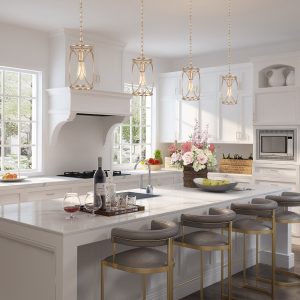
- Over a Kitchen Island: Pendant lights with stone textures can add a unique character to a kitchen island. They can break up the monotony of cabinetry and countertops, offering a more tactile design element. Consider materials that are easy to clean.
- Above a Dining Table: A statement fixture with stone elements can elevate a dining experience. It creates a sense of occasion and can make a simple meal feel more special. The scale of the fixture should be in proportion to the table and the room.
- Kitchen Zones: Different types of stone-inspired fixtures can define zones within a larger kitchen space, perhaps a more robust pendant over the island and a more delicate flush-mount in a pantry area.
Bedrooms and Hallways
These areas often call for softer, more ambient lighting. Stone-inspired fixtures can contribute to a serene and inviting atmosphere.
Creating Ambiance
- In a Bedroom: A flush-mount or semi-flush mount fixture with stone detailing can provide gentle illumination without being overpowering. It adds texture and a calming visual element.
- Hallway Statement: A well-placed pendant or flush mount in a hallway can guide guests and add an unexpected touch of style. It can hint at the aesthetic of the rooms beyond.
- Softened Light: Often, these fixtures are designed to diffuse light softly, which is ideal for creating a relaxing atmosphere in bedrooms or tranquil hallways.
Types of Stone-Inspired Ceiling Fixtures
The variety of designs available means you can find a stone-inspired fixture to suit almost any need and style, from functional downlights to decorative centrepieces.
Pendant Lights
Pendant lights are a popular choice, offering a focused beam of light and a strong design statement.
Pendant Styles
- Single Pendant: A classic choice for accent lighting over tables, islands, or in smaller rooms. The shade itself will carry the stone-inspired texture.
- Cluster Pendant: Multiple pendants hung at varying heights from a single canopy. This can create dynamic visual interest and spread light more widely. The individual shades can all be stone-inspired.
- Linear Pendant: Longer fixtures often designed to hang over rectangular tables or kitchen islands. These can have integrated stone-like elements or feature shades with a stone finish.
- Drum Shaded Pendants: A cylindrical shade, often covered in fabric or made from a material that mimics stone, offering diffused light.
Chandeliers
For spaces that call for a more grand statement, stone-inspired chandeliers offer both illumination and decorative artistry.
Chandelier Designs
- Modern Interpretations: Forget ornate crystal. Modern stone-inspired chandeliers often feature clean lines, linear arrangements of lights, and subtle stone accents on arms or shades.
- Tiered Designs: Similar to traditional chandeliers but with a contemporary twist, using materials that evoke natural stone in a structured arrangement.
- Minimalist Structures: Some chandeliers use very simple frames with strategically placed stone-like elements radiating outwards, creating a sculptural effect.
Flush-Mount and Semi-Flush Mount Fixtures
These fixtures are mounted directly to the ceiling or hang a short distance down, making them ideal for rooms with lower ceilings or for general ambient lighting.
Practical and Stylish Choices
- Decorative Flush Mounts: These can feature a base or a cover with a stone-like texture, providing an unobtrusive yet characterful light source.
- Semi-Flush Mounts with Stone Accents: A short stem might connect a decorative stone-inspired shade or element to the ceiling canopy, offering a bit more visual prominence than a pure flush mount.
- Concealed Light Sources: Many of these designs cleverly hide the bulb behind a stone-textured diffuser, spreading light evenly and creating a soft glow.
Track Lighting with Stone Elements
Even functional track lighting can incorporate natural touches.
Subtle Integration
- Stone-Finished Track Heads: The individual track heads can be designed with a finish that mimics slate, concrete, or textured stone, adding a touch of organic detail to a modern lighting system.
- Stone-Accented Connectors/Canopies: While the light source is functional, the supporting hardware or canopy for the track might feature subtle stone-like detailing.
Factors to Consider Before Buying
Choosing the right stone-inspired ceiling light involves more than just liking the look. Practical considerations are crucial for both aesthetics and functionality.
Scale and Proportion
The size of the fixture needs to be balanced with the size of the room and the furniture it will be near.
Room Dimensions
- Ceiling Height: For low ceilings, flush-mount or low-profile semi-flush mounts are best to avoid a feeling of being too close or a hazard. Higher ceilings can accommodate larger pendants or chandeliers.
- Room Square Footage: Larger rooms can handle larger, more impactful fixtures. In smaller rooms, opt for something more restrained to avoid overwhelming the space.
- Furniture Placement: For lights over tables or islands, ensure the fixture is proportionate to the surface it’s illuminating. A rule of thumb for dining tables is that the chandelier should be about half to three-quarters the width of the table.
Light Output and Type of Illumination
Consider what kind of light you need and how the fixture will affect the ambiance.
Brightness and Diffusion
- Lumens Explained: Lumens measure brightness. You’ll need to consider the total lumens required for a room. Kitchens and work areas will need more lumens than a bedroom or lounge.
- Direct vs. Diffused Light: Some stone-inspired fixtures might have open elements that cast direct light, while others have solid shades that diffuse light softly. Decide if you need task lighting, ambient lighting, or a combination.
- Dimmable Options: Many modern fixtures are dimmable, which offers excellent flexibility in controlling the mood and brightness of a room.
Installation and Maintenance
Practicalities shouldn’t be overlooked.
Practicalities of Installation
- Weight of Fixture: As mentioned, resins and composites are lighter. If you’re considering concrete or actual stone elements, check the weight and consult with an electrician about whether ceiling reinforcement is needed.
- Electrical Compatibility: Ensure the fixture is compatible with your existing wiring and junction box.
- Professional Installation: For anything beyond a simple flush mount, using a qualified electrician is highly recommended for safety and proper installation.
Style Consistency
While variety is good, ensure the fixture complements your overall interior design.
Harmonizing with Your Decor
- Existing Materials: If your home features a lot of natural wood, a concrete or slate-inspired light might create a nice contrast. If you have a lot of smooth surfaces, a more textured stone finish could add warmth.
- Color Palette: Choose a stone-inspired color that either complements or provides a subtle contrast to your room’s color scheme.
- Overall Vibe: Does the fixture contribute to the desired natural modern, minimalist, or slightly rustic feel you’re aiming for?
The Material Story: From Earth to Elegant Light
The appeal of stone-inspired fixtures lies in their ability to evoke the timeless beauty and strength of natural stone, but through modern manufacturing techniques and design. They bring a sense of connection to the earth without the literal weight or environmental considerations of quarrying and installing massive stone slabs indoors.
The Allure of Natural Stone’s Texture
Natural stone, whether it’s the cool, smooth polish of marble, the rough, grainy feel of granite, or the layered, split surface of slate, possesses an inherent tactile and visual richness. This richness stems from millennia of geological processes, creating unique patterns, veins, and imperfections that tell a story.
Recreating the Tactile Experience
Manufacturers aim to replicate this tactile quality. A fixture might have a surface that feels slightly uneven, porous, or subtly pitted, mimicking the natural erosion or crystallization that occurs in real stone. This isn’t just visual; there’s an attempt to capture a part of the physical sensation of touching stone.
The Visual Narrative of Veins and Colors
The characteristic veins in marble, the granular flecks in granite, or the earthy striations in travertine are all visual cues that designers strive to recreate. These patterns add depth and complexity, transforming a simple light fixture into a miniature work of art. The color variations within the stone-inspired material are often achieved through pigments and carefully controlled molding processes, aiming for a natural, earthy palette.
Modern Craftsmanship Meets Ancient Inspiration
The innovation lies in how these natural qualities are translated into contemporary lighting solutions. Advances in materials like high-density resins, advanced composites, and even the refined use of concrete allow for lighter, more manageable, and more adaptable forms than solid stone could ever provide.
Precision Molding and Finishing
Modern technology allows for precision molding, capturing intricate textures and details that were once only possible through carving. The finishing processes are also crucial, allowing for the application of subtle coloring, washes, and patinas that deepen the illusion of natural stone. This craft bridges the gap between the raw inspiration from nature and the polished outcome required for home décor.
Lightweight Alternatives for Ease of Use
The practical advantage of these manufactured materials is their significantly reduced weight. This makes installation far easier and safer, especially for ceiling-mounted fixtures. It also opens up possibilities for larger or more intricate designs that would be impractical or impossible with solid stone. Imagine a large, stone-effect pendant that you can install without needing structural reinforcement.
The Environmental Angle
While not always explicitly advertised, the use of stone-inspired materials can sometimes offer a more sustainable alternative to sourcing certain types of natural stone, which can involve significant transportation and quarrying impacts. By using recycled materials within composites or choosing locally manufactured pieces, these fixtures can align with a broader eco-conscious approach to home design.
Caring for Your Stone-Inspired Fixture
Just like with natural stone, proper care ensures your fixture remains beautiful and functional for years. The maintenance will depend largely on the specific materials used in its construction.
Regular Cleaning Procedures
A gentle approach is usually best.
Dusting and Wiping
- Frequency: Dust your fixture regularly, perhaps once a week, with a soft, dry microfibre cloth. This prevents dust build-up from becoming ingrained.
- Damp Cloth: For light smudges or marks, use a slightly damp cloth (water only is often sufficient). Wring out the cloth very well to avoid excess moisture.
- Avoid Abrasives: Never use abrasive cleaners, scouring pads, or harsh chemicals. These can scratch the surface or damage the finish of the stone-like material.
Dealing with Stains and Grime
If simple dusting isn’t enough, proceed with caution.
Mild Cleaning Solutions
- Diluted Mild Soap: For more stubborn grime, mix a tiny amount of mild, pH-neutral dish soap with water. Dip your cloth in this solution, wring it out thoroughly, and gently wipe the affected area.
- Rinse and Dry: After using any soap solution, always follow up with a clean, damp cloth to rinse away any residue, and then dry the fixture completely with a soft, dry cloth.
- Test First: If you’re unsure about a particular cleaning solution, test it on an inconspicuous area of the fixture first.
Material-Specific Care (if applicable)
Some materials might require slightly different attention.
Concrete and Cement Finishes
- These can sometimes be more porous. Sealants are often applied during manufacturing to protect them. Stick to very mild cleaning methods to avoid compromising the sealant over time.
Resin and Composite Materials
- These are generally quite durable and resistant to many common household cleaners. However, it’s always best to err on the side of caution and stick to the mildest effective cleaning methods. Avoid solvents or acetone, which can degrade certain plastics.
Glass Components
- If your fixture includes glass elements with a stone texture, use a standard glass cleaner on those parts, but be careful not to let it drip onto the stone-effect material, as some glass cleaners can be harsh.
Professional Advice
When in doubt, consult the manufacturer’s care instructions.
Manufacturer’s Guidelines
- Always refer to the product manual or the manufacturer’s website for specific cleaning and care recommendations. They will have the most accurate information for the materials used in your particular fixture.
- If you have a very specialized or expensive fixture, and you’re concerned about damage, consider consulting with a professional lighting or décor restoration service.
By understanding the materials, design variations, and practical considerations, a stone-inspired ceiling light fixture can be a truly impactful addition to your natural modern home. It’s about bringing a piece of the enduring natural world into your living space in a way that feels both contemporary and comforting.